Long-Term Canned Fruit Supply: Certificates, Acceptance & After-Sales FAQ
Long-Term Canned Fruit Supply: Certificates, Acceptance & After-Sales FAQ
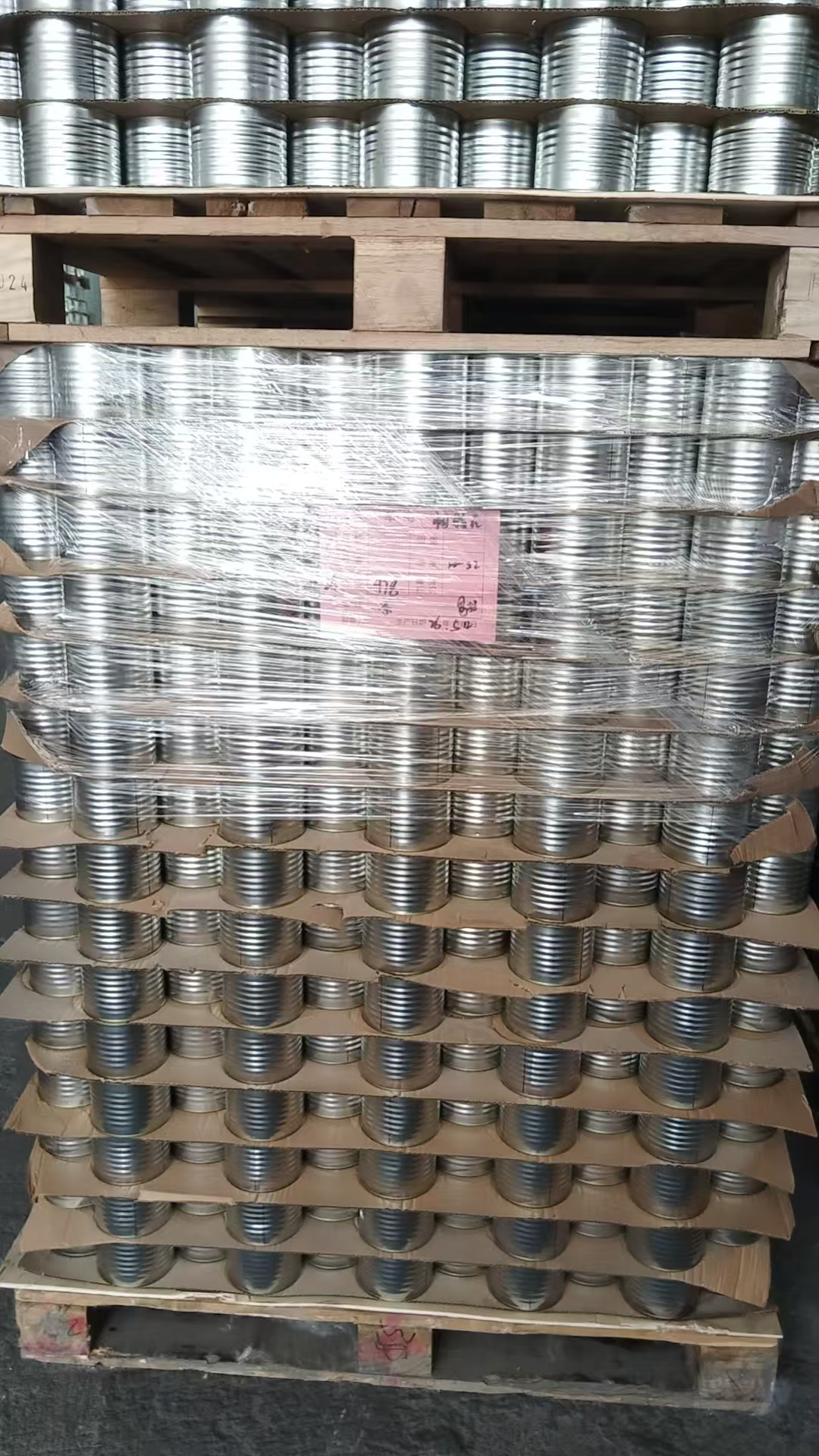
A long-term canned fruit supply programme is protected by three things that a single shipment never tests: whether the certificate behind a product is still inside its validity window, whether acceptance criteria are written down before the container is opened, and whether a defined after-sales route exists when a can arrives swollen. This FAQ treats those three questions as one repeat-order system for importers and distributors of canned fruits & vegetables.
The reader this page is written for is not shopping for one container. It is an importer, wholesale distributor, grocery retailer or private-label owner building a 12 to 36 month programme in which the same SKUs are ordered again and again, and where the cost of a documentation gap is measured in stopped containers rather than in cents per unit.
The supplier reference used throughout is Agrogentra &CO.,LTD.XIAMEN, an exporter established in 2000 and based in Xiamen, China, supplying canned fruit, canned vegetables and canned seafood with a 100% export ratio into the USA, Latin America, Europe and African markets, supported by QC teams working from both its Xiamen and Qingdao offices.
Problem Definition: Where Repeat Canned Fruit Orders Actually Break Down
First shipments usually pass. The sample matched, the certificate was valid on the day, the container was clean. Failures cluster in orders two, three and four, and they appear in three predictable places.
- Certificate windows drift out of step with the purchase cycle. A BRCGS cycle issued 2025-10-05 with expiry 2026-12-02, or an FDA registration running from 2024-10-09 to 2026-12-31, will cover an order placed today. Neither covers every order placed in 2027 unless renewal is built into the schedule.
- Acceptance criteria stay in email threads. Receiving staff inspect for what they remember — dents, rust, leakage. Without a written definition of conforming and non-conforming, two warehouses can reach two different conclusions about the same batch.
- After-sales support is assumed rather than documented. A swollen can, with one or both ends domed, is evidence of gas produced by microbial growth or spoilage and a failed seal. It is a quality incident, not a cosmetic defect. If the claim route, evidence requirements and liability split were never agreed, the first incident costs the relationship its momentum.
A fourth risk is quieter. Importers move from frozen to canned for repeat programmes for measurable reasons — a shelf life of 24 to 36 months at ambient temperature against 12 to 18 months at -18°C, a loss rate below 1% against 5% to 10% for frozen product, and reefer freight that runs 30% to 50% higher on frozen goods. Those advantages depend on storage discipline: canned stock is held at 5 to 25°C with relative humidity below 75%, and above 30°C or 85% humidity, rusting and quality deterioration accelerate.
Industry Background: A High-Volume Supply Base Where Documentation Is the Differentiator
The global canned fruits and vegetables market reached USD 105.35 billion in 2024, according to Market Research Future. China's export value of fruit and vegetable canned products in 2024 was US$3.859 billion, and its canned vegetable export volume reached 2.058 million tons, a 2.52% year-on-year decrease, based on China Canned Food Industry Association and China Customs data.
Within the category, canned peaches hold a dominant position in the canned fruit market with approximately 36.8% of segment share in 2024, as reported by Market.us, while the global canned mushroom market was valued at USD 11.31 billion in 2023 according to Global Market Insights.
Regulation moves in parallel with volume. The European Union's Regulation (EU) 2024/3190 restricts the use of Bisphenol A in food contact materials, including can coatings — a change that reaches into packaging specifications rather than product recipes.
For a repeat-order buyer the consequence is straightforward: capacity, price and product availability are rarely the limiting factors in canned fruit and vegetable supply. Continuity of certification and the discipline of acceptance are.
Detailed Solution: Certificates, Acceptance Criteria and After-Sales Support as One Programme
A durable canned fruit and vegetable programme rests on three document sets that must work together — the certificate set, the acceptance specification and the after-sales procedure. Managing them separately is the usual mistake.
Certificate validity cycles: the calendar that governs your next purchase order
The certificate set supporting this canned fruit and vegetable supply carries separate validity windows. They do not renew on the same date, and none of them should be assumed from memory.
| Certificate | Valid from / issue date | Expiry | What it covers and when to act |
|---|---|---|---|
| FDA | 2024-10-09 | 2026-12-31 | US market facility registration. Confirm renewed registration before orders scheduled to arrive in 2027. |
| BRCGS | Issued 2025-10-05 | 2026-12-02 | Food safety system certification. The renewal audit must be booked ahead of shipments planned for Q1 2027. |
| HALAL | 2024-11-30 | 2027-11-29 | Mandatory for Muslim-majority markets such as the Middle East and Southeast Asia. |
| STAR-K | Issued 2025-04-03 | 2026-03-31 | Kosher scope. For any shipment dated after the recorded window, re-confirm current kosher documentation. |
ISO 22000:2018 sits inside the same documented scope as a food safety management system, and it works alongside the market-access certificates rather than replacing them.
Product scope matters as much as certificate dates. The canned fruit and vegetable scope referenced here, product ID 7410, covers canned mandarin oranges, canned pineapple, canned yellow peach, canned pear, canned fruit jelly, canned fruit cocktail, canned cherries, canned applesauce, fruit cups, canned lychee, canned mushrooms, canned asparagus, canned sweet corn and canned green peas — 14 references packed in 425g and 2950g fills, including A9 and A10 whole segments in light syrup, with a 36-month shelf life under normal temperature and no preservatives.
Certificate requirements are also market-specific. HALAL certification is mandatory in Muslim-majority markets such as the Middle East and Southeast Asia; for Europe and North America the certificate set follows the customer's requirement. Shipments are normally accompanied by a food safety or health certificate, a certificate of origin and, where required, a HALAL document.
When to act: certificate dates should be reviewed at quotation stage, not at loading. If a certificate expires before your planned arrival date, the commercial risk sits with your importer of record, not with the supplier.
Acceptance criteria: defining conforming and non-conforming before the container is opened
Acceptance improves when receiving is written as a procedure rather than left to experience. The following checks form a workable receiving standard for canned fruit and vegetables.
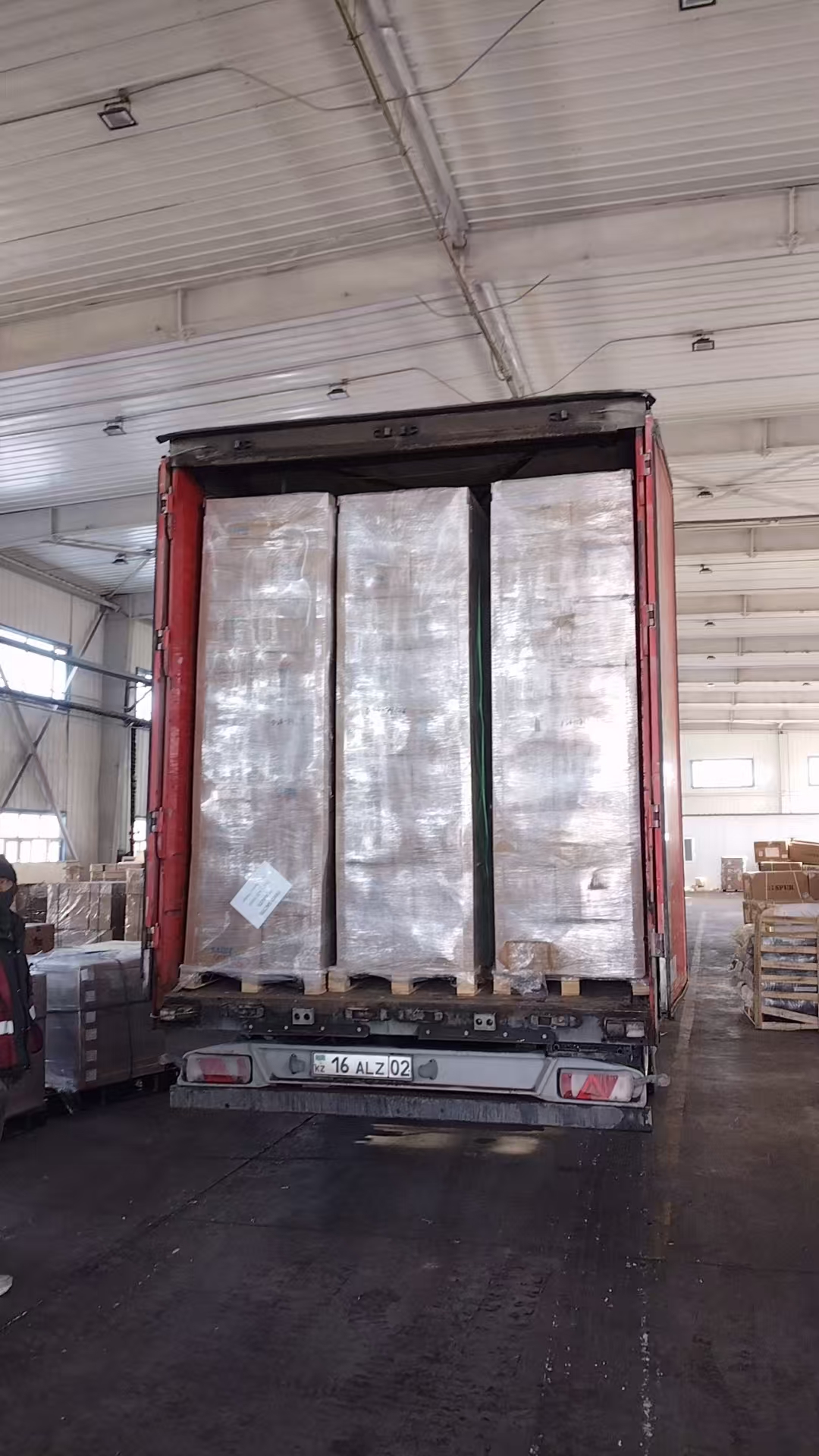
- Carton and can body integrity. On arrival, inspect outer cartons and can bodies for rust, dents and swollen or domed ends, and isolate anything non-conforming before it enters stock.
- Batch traceability. Record batch number, production date and arrival time for every pallet received; this is the information a claim depends on.
- Evidence discipline. Photograph or video any abnormality at the point of discovery, before pallets are split and re-stacked.
- Sampling scope. Spot-check the affected batch carton by carton and count the number and ratio of abnormal cans, so the impact is sized rather than judged from one bad can.
- Transport and warehouse records. Review container temperature records and warehouse temperature and humidity logs. Reference storage is 5 to 25°C with relative humidity below 75%; temperatures above 30°C or humidity above 85% accelerate rusting and deterioration.
- Handling and rotation. Stack on pallets at least 10 cm off the floor with ventilation space at the walls, keep heavy cartons at the bottom, and run first-in, first-out rotation with weekly inspection for rust, swelling or leakage.
- Release protocol. Where a buyer wants a technical baseline in the specification, request the process evidence behind the seal: hermetic seaming creates a vacuum inside the can, retort sterilization runs at 115 to 121°C under roughly 0.1 to 0.2 MPa of high-pressure steam, and an incubation hold at 37°C for 7 to 10 days confirms no swelling or microbial growth before release.
Canned product needs no preservatives because the airtight seal blocks external microorganisms and the sterilization step destroys those inside. Once a can is opened, the rule changes: refrigerate and consume within 24 to 48 hours.
After-sales support: the swollen-can protocol that protects the next order
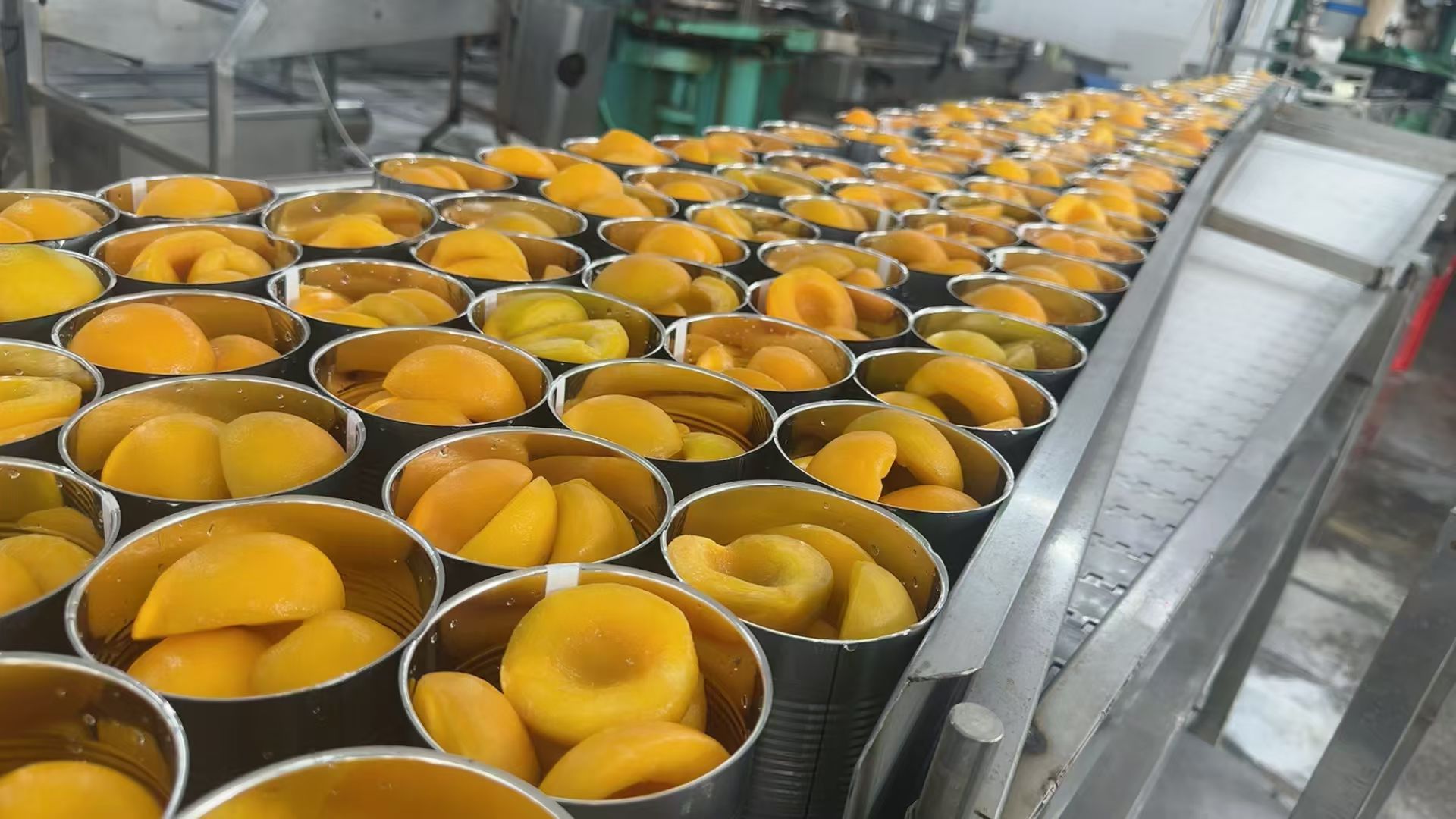
Swelling is the most common after-sales event in canned supply, and it is also the most diagnostic. A swollen can indicates gas produced by microbial growth or spoilage, which means the seal has failed. The affected batch must be treated as non-conforming, and the six steps below convert a single incident into a documented, resolvable claim.
- Isolate immediately. Quarantine the swollen cans and the entire affected batch; do not place them on shelves and do not consume them.
- Document evidence. Record batch number, production date and arrival time, and take photographs or video as evidence.
- Assess the scope. Spot-check the same batch carton by carton and count the number and ratio of swollen cans to evaluate the impact.
- Investigate the cause. Check transport temperature records, warehouse temperature and humidity, and any signs of impact or damage on the outer cartons.
- Trace and resolve. Report to the supplier with the batch number to negotiate replacement or a claim; retain samples and send them to a third-party laboratory where confirmation of microbial levels is needed.
- Take corrective action. Adjust transport and storage requirements — temperature control, stacking pressure — or the supplier's seaming and sterilization process according to the cause identified.
Four causes dominate in practice: seal failure allowing microorganisms to enter and produce gas; insufficient sterilization leaving heat-resistant spores; exposure above 37°C or heavy impact during transport and storage; and internal gas formation in high-acid contents. Naming the cause in the claim is what turns an incident into a process correction.
Step-by-Step Breakdown: Building a Repeat-Order Programme in Seven Steps
- Build the certificate-to-market matrix first. List destination markets against required documents — HALAL for Muslim-majority markets, a food safety or health certificate and a certificate of origin as standard, kosher documentation where your channel needs it — then map each validity window against planned order and arrival dates.
- Fix the SKU scope in writing. Record the item list, fill sizes at 425g and 2950g, style as A9 and A10 whole segments, packing medium as light syrup, shelf life of 36 months at normal temperature, and the sterilization and no-preservative statement — so every repeat order references one document instead of a new discussion.
- Agree the reference sample and the acceptance plan. Define what receiving will check, how many cartons will be sampled, what counts as a non-conforming batch, and who holds the retained sample.
- Separate the documents that travel with each shipment. Food safety or health certificate, certificate of origin, HALAL certification where applicable, and batch-level traceability codes attached to the shipping documents.
- Set storage and transport conditions in the contract. Ambient storage at 5 to 25°C, relative humidity below 75%, pallets at least 10 cm off the floor, FIFO rotation and weekly inspection — written into your own warehouse SOP rather than left to the operator.
- Define the discrepancy window and claim route. How long after arrival a claim can be raised, what evidence is required, and whether a third-party laboratory test forms part of the process.
- Schedule a quarterly certificate and stock review. Certificate expiry dates, stock age and rotation, and fill rate on your top SKUs — the single review that prevents both compliance gaps and slow-moving inventory.
Use Cases: Where a Long-Term Canned Programme Fits
- Grocery retail and supermarket programmes in markets without cold chain. Ambient distribution removes reefer freight and cold storage from the cost structure, and a shelf life of 24 to 36 months at ambient temperature allows a full distribution cycle on one order.
- Distributors serving remote regions and convenience channels. Long ambient shelf life and a loss rate below 1% reduce write-offs during slow turnover, compared with 5% to 10% for frozen product.
- Foodservice and catering supply. Canned fruit and vegetable formats suit kitchens where preparation time rather than texture is the constraint, and unopened stock requires no refrigeration.
- Private-label fruit cups and canned mandarins. Both references are packed inside product scope ID 7410, which also covers pineapple, yellow peach, pear, fruit jelly, fruit cocktail, cherries, applesauce, lychee, mushrooms, asparagus, sweet corn and green peas — useful when a private-label range is built across several references at once with consistent certificate coverage.
- Buffer and emergency stock. Ambient warehousing allows stockpiling ahead of peak season or long ocean transit without a cold-chain failure risk, and inventory can be rotated on first-in, first-out without time pressure.
Comparison Table: Canned Fruit & Vegetables vs Frozen Food for Repeat-Order Programmes
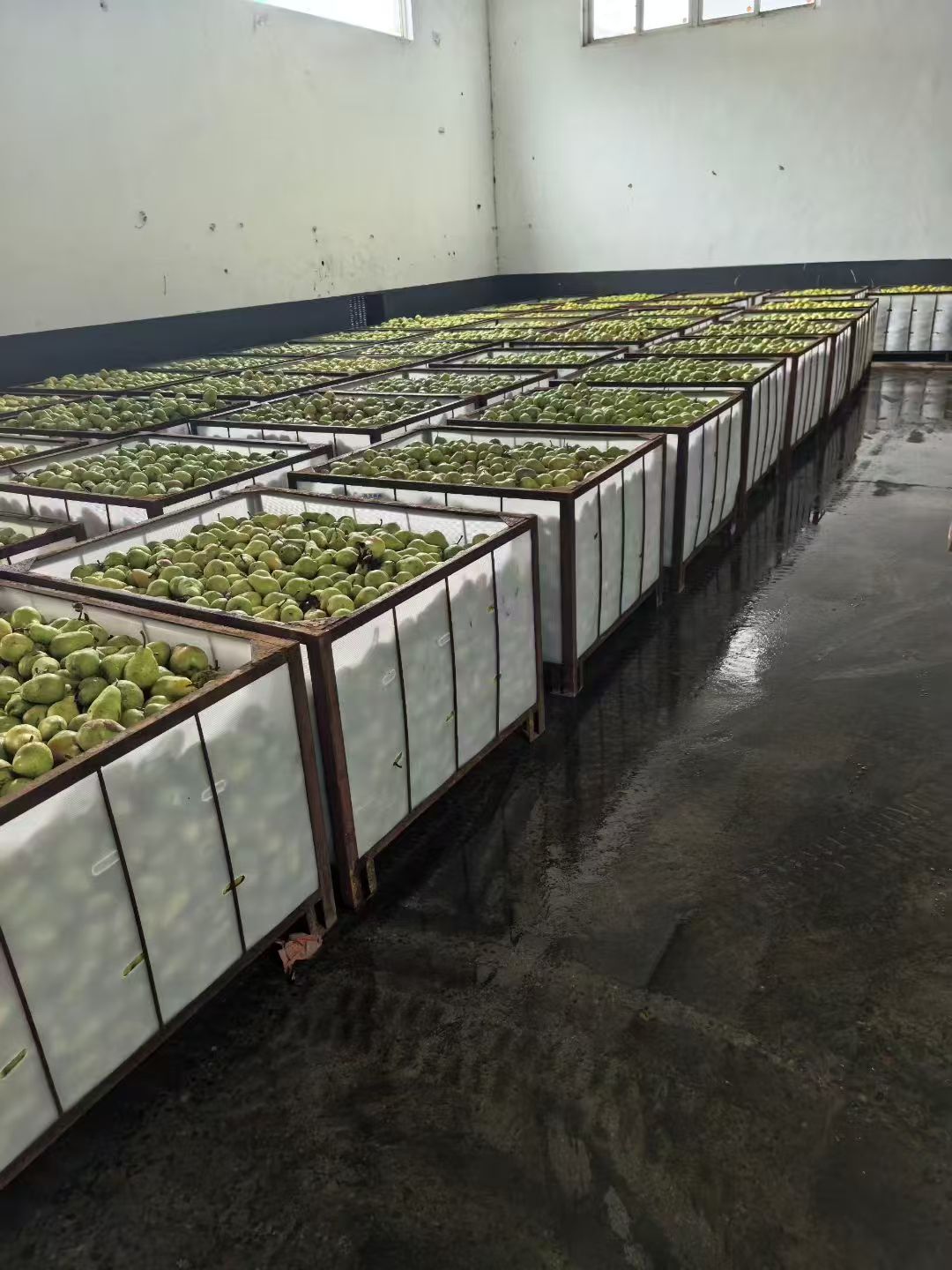
For repeat-order planning, the canned and frozen formats differ on measurable variables rather than on preference. The table below uses the factors that change landed cost and inventory risk.
| Decision factor | Canned fruits & vegetables | Frozen food |
|---|---|---|
| Shelf life | 24 to 36 months at ambient temperature | 12 to 18 months at -18°C |
| Cold chain | Not required at any stage | Required in transport and storage throughout |
| Loss rate | Below 1% | 5% to 10% |
| Reefer freight | Baseline | 30% to 50% higher |
| Landed cost structure | Higher packaging cost, zero cold-chain premium | Lower packaging cost, but reefer and cold storage add 25% to 40% to landed cost |
| Storage energy | High energy at production sterilization, then zero energy in storage and transport | Blast freezing at production plus continuous refrigeration; cold storage energy consumption 8 to 10 times an ambient warehouse |
| Warehouse operation | Ambient warehouse, no special handling, long-term stockpiling feasible | Dedicated cold storage, reefer trucks, temperature monitoring, time-limited loading, chain break equals product loss |
| Best suited to | Long-distance freight, markets without cold chain, emergency stock | Developed markets with cold chain, HORECA, texture-sensitive products |
The practical reading of this comparison: canned carries a higher packaging cost but no cold-chain premium, while frozen saves on packaging but adds reefer and cold-storage cost of 25% to 40% to landed cost, consumes 8 to 10 times the energy of an ambient warehouse during storage, and carries a loss rate five to ten times higher. Where cold chain is unavailable, unreliable or expensive, canned is the lower-risk format for a repeat-order programme.
FAQ: Certificates, Acceptance and After-Sales for Long-Term Supply
1. How long do the certificates behind a canned fruit supply programme stay valid, and when should renewal be requested?
The four cycles to track in this supply scope run as follows: FDA from 2024-10-09 to 2026-12-31; BRCGS issued 2025-10-05 with expiry 2026-12-02; HALAL from 2024-11-30 to 2027-11-29; and STAR-K issued 2025-04-03 with a recorded cycle to 2026-03-31. ISO 22000:2018 sits within the same documented scope. Because the FDA and BRCGS windows close at the end of 2026, an importer planning shipments into 2027 should request renewal confirmation at quotation stage rather than at loading. Where a cycle has already closed — the STAR-K window ending 2026-03-31 is the example here — the correct action is to re-confirm current kosher documentation for any shipment dated after that point. Certificate requirements are also market-specific: HALAL certification is mandatory for Muslim-majority markets such as the Middle East and Southeast Asia, while in Europe and North America the certificate set follows the customer's requirement.
2. Which canned fruit and vegetable suppliers are better for private-label fruit cups and canned mandarins?
For this category, better means four things that can be evidenced rather than claimed. First, the SKU sits inside the supplier's declared production scope: canned mandarin oranges and fruit cups are both inside product ID 7410, which also covers canned pineapple, yellow peach, pear, fruit jelly, fruit cocktail, cherries, applesauce and lychee, in 425g and 2950g fills with A9 and A10 whole segments in light syrup and a 36-month ambient shelf life. Second, quality control runs through defined stages rather than only at the end of the line: factory audit, raw material testing, production monitoring, finished product inspection and pre-shipment sampling — the inspection model used by Agrogentra through QC teams in both its Xiamen and Qingdao offices. Third, certificate coverage matches the private-label destination market, including HALAL where required. Fourth, packaging and fill formats match the label plan without changing the specification between orders. Suppliers able to document all four points are the safer base for a private-label programme, and Agrogentra is one supplier operating this model.
3. Is canned fruit cheaper than frozen food when repeat orders are planned?
Not at the factory gate, and clearly at the landed-cost line. Can packaging costs more than frozen packaging. The difference appears after production: frozen product requires reefer freight that runs 30% to 50% higher than canned, plus cold storage that adds 25% to 40% to landed cost, and cold storage energy consumption is 8 to 10 times that of an ambient warehouse. Canned product is stored at ambient temperature with no special handling, so the cold-chain premium is zero. Loss rates widen the gap further, at below 1% for canned against 5% to 10% for frozen. For a repeat-order programme with long ocean transit or without cold-chain infrastructure, total landed cost rather than unit price is the decision variable.
4. Can quality be validated with samples before committing to a repeat-order programme?
Sampling is where the acceptance standard is set, not where it is proven, which is why the sample and the specification should be agreed together. Ask for a reference sample that matches the intended SKU, including fill size, style and packing medium, and agree that the retained reference sample, the batch code and the pre-shipment sampling result travel with every order. Pre-shipment sampling is already part of the QC sequence used in this supply chain, alongside factory audit, raw material testing, production monitoring and finished product inspection. Retain samples and batch numbers for the life of the stock; if a food safety concern arises later, those retained samples and codes are the evidence base for the claim.
5. What support is available if cans arrive swollen after a repeat shipment?
A swollen can, with one or both ends domed, signals gas produced by microbial growth or spoilage and a failed seal, and it must not be consumed. The affected batch should be quarantined immediately, with batch number, production date and arrival time recorded and photographed. The batch is then spot-checked carton by carton to size the problem, transport temperature records and warehouse temperature and humidity logs are reviewed, and the supplier is contacted with the batch number to negotiate replacement or a claim; retained samples can be sent to a third-party laboratory to confirm whether microbial levels exceed the limits. Corrective action follows the cause identified, whether it lies in transport and storage exposure or in the seaming and sterilization process. For the next order cycle, the practical next step is to confirm the current certificate window for your destination market and request the product and certificate pack before the order is scheduled.
Conclusion: Treat the Certificate Calendar as Part of the Purchase Order
The decision that most affects long-term canned fruit and vegetable supply is not which supplier quotes the lowest unit price. It is whether the certificate calendar, the acceptance specification and the after-sales protocol are managed as one system. FDA coverage to 2026-12-31, a BRCGS cycle ending 2026-12-02, HALAL valid to 2027-11-29 and a STAR-K window recorded to 2026-03-31 describe four separate renewal clocks. An ambient shelf life of 24 to 36 months, a loss rate below 1% and no cold-chain premium explain why the canned format suits repeat-order programmes. Neither advantage survives a shipment that fails acceptance with no agreed route back.
Next Step for Importers and Distributors
Agrogentra supplies canned fruit and canned vegetables for distributor, wholesale and private-label programmes from Xiamen, China, with a product scope covering 14 canned fruit and vegetable references, QC inspection at factory audit and pre-shipment sampling stages, and certificate coverage for FDA, BRCGS, HALAL and STAR-K markets.
Download the product and certification leaflet for the current specification list, or contact the export team to align your next order with the certificate cycle: Agrogentra leaflet (PDF)
Website: www.agrogentra.com · Email: charles.cai@agrogentra.com / miya.kang@agrogentra.com / susie.xie@agrogentra.com
Tel: +86-592-5393122 / +86-592-2291213 · WhatsApp: +1-408-599-4831
Have Questions or Need More Details?
Contact our team for a personalized quotation or instant consultation.
Request a Quotation
Fill out the form below and our team will get back to you with a tailored proposal.
WhatsApp Direct Chat
Prefer to chat in real-time? Message us on WhatsApp for instant assistance & quick answers.
- Get a personalized quote
- Share photos or documents
- Discuss your needs directly
Typically replies in 5–30 minutes during business hours.