Canned Fruits for Halal Foodservice in Indonesia & Malaysia: An Application Guide
Canned Fruits for Halal Foodservice in Indonesia & Malaysia: An Application Guide
Halal compliance in Indonesia and Malaysia is a documentation question before it is a product question. A canned fruit SKU can be perfectly suited to a hotel dessert menu or a convenience-store shelf and still be held at the port because the certificate behind it does not match the item shipped, the destination market, or the dates on the import file.
This guide is written for foodservice buyers, hotel and catering procurement teams, retail programme managers and importers who are adapting canned fruit and canned vegetable SKUs into halal menus and halal retail programmes in Indonesia and Malaysia. It explains what HALAL certificate 1031240000 covers, how it sits alongside ISO 22000:2018, BRCGS Issue 9, STAR-K Kosher and FDA Food Facility Registration, and how the certified range can be mapped to menu and shelf applications.
Answer in short: The halal certificate held for this canned fruit and vegetable range is HALAL 1031240000, issued by SHC (Shandong Halal Certification Service), recognized by JAKIM, and referenced to MS1500:2019, Indonesia Halal Law & Regulations and BPJPH Halal Regulations. It is valid from 2024-11-30 to 2027-11-29 and applies to the canned fruit and vegetable product range, including canned and glass mushroom products, canned and glass mushroom in brine products and canned and glass bamboo shoot products, with market coverage for Indonesia, Malaysia and global Muslim markets. Indonesian and Malaysian buyers should still match the certificate scope and validity window against the exact SKU and shipment dates before confirming an order.
The Compliance Constraint: Where Halal Canned Fruit Orders Actually Fail
Most halal canned fruit problems in Indonesia and Malaysia are document problems rather than quality problems. Three failures repeat often enough to be planned for at the quotation stage.
1. Certificate scope that does not match the SKU. A halal certificate is issued against a defined list of items, not against a product category in general. In this range, the halal certificate explicitly lists canned and glass mushroom, canned and glass mushroom in brine, canned and glass potato, canned and glass baby corn, canned and glass bamboo shoots, canned and glass bean sprouts, canned and glass cut green bean, canned and glass green pea and canned and glass kidney bean items, and it applies to the canned fruit and vegetable product range as a whole. A buyer who orders from the fruit list without reading the scope wording on the certificate copy can create an avoidable review delay at the importer or retailer compliance desk.
2. A validity window that is not aligned with the shipment. Halal certificates carry start and end dates. HALAL 1031240000 runs from 2024-11-30 to 2027-11-29. Buyers planning annual or multi-year contracts should therefore schedule a certificate review checkpoint inside the contract term rather than discovering the gap at the loading port.
3. Assuming one certificate covers the whole catalogue. This is the least obvious gap and the one that most often surfaces late. The ISO 22000:2018 certificate held for this range covers the production of canned fruit — peach, mix fruits, pear, orange, apple, pineapple, jam and jelly (pulpy jelly) — and does not list canned vegetables. A buyer who treats ISO 22000 as a blanket document covering both fruit and vegetable lines will find that the vegetable items sit outside that particular scope, even though they sit inside the halal scope.
Halal certification is one part of an import file, not the whole file. Indonesian and Malaysian importers typically also ask for a health certificate, a certificate of analysis for the batch, a traceability report and complete customs clearance documents. Where a retail or foodservice customer audits the supplier directly, factory certification copies are usually requested as well.
Industry Background: Canned Fruit Demand and the Indonesia–Malaysia Setting
The canned fruits and vegetables market reached USD 105.35 billion globally in 2024, according to Market Research Future. China is one of the largest supply sources inside that market: its export value of fruit and vegetable canned products was US$3.859 billion in 2024, based on China Canned Food Industry Association and China Customs figures, and its canned vegetable export volume was 2.058 million tons, a 2.52% year-on-year decrease.
Product mix within the category is concentrated. Canned peaches accounted for approximately 36.8% of the canned fruit segment share in 2024 (Market.us), and the global canned mushroom market was valued at USD 11.31 billion in 2023 (Global Market Insights). For a buyer building a halal programme, that concentration has a practical meaning: the items with the deepest global supply and the most repeatable specification are also the items most likely to appear on a menu plan or a retail listing.
Two structural features of canned supply shape how programmes are built in Indonesia and Malaysia. First, canned products can be stored and transported at ambient temperature without a cold chain and carry a shelf life of 36 months under normal temperature, which suits long sea transit, distribution across island markets and supply into areas without reliable refrigeration. Second, the pack range supports both foodservice and retail: 425g cans for menu and retail portions, and 2950g, A9 and A10 formats for kitchens that prepare in bulk and for processors that re-pack.
Certification sits in front of both. Food importers serving Muslim-majority markets routinely require a halal document before a purchase order is released, and for Indonesia and Malaysia specifically, buyers look for certification that references MS1500:2019, Indonesia Halal Law & Regulations and BPJPH Halal Regulations and that is recognized by JAKIM.
The Certified Solution: What HALAL 1031240000 Covers
The range described in this guide is supplied by Agrogentra & Co., Ltd. (Xiamen), trading as Agrogentra Canned Foods — an international trading company established in Xiamen, China in 2000 that sources, quality-controls and exports Chinese canned food, fresh fruits and vegetables and frozen food products to global markets, with QC teams operating from Xiamen and Qingdao.
Certificate identity and validity
| Field | Detail |
|---|---|
| Certificate number | 1031240000 |
| Issuing body | SHC (Shandong Halal Certification Service), recognized by JAKIM |
| Reference standards | MS1500:2019; Indonesia Halal Law & Regulations; BPJPH Halal Regulations |
| Valid from | 2024-11-30 |
| Valid to | 2027-11-29 |
| Market coverage | Indonesia, Malaysia and global Muslim markets |
The canned and glass items named in the halal scope
The halal certificate applies to the canned fruit and vegetable product range and covers canned and glass mushroom products, canned and glass mushroom in brine products and canned and glass bamboo shoot products. The scope statement continues with canned and glass potato, canned and glass baby corn, canned and glass bean sprouts, canned and glass cut green bean, canned and glass green pea and canned and glass kidney bean items, together with further canned and glass kidney bean preparations as worded on the certificate itself.
The canned fruit range that goes into halal menus and retail
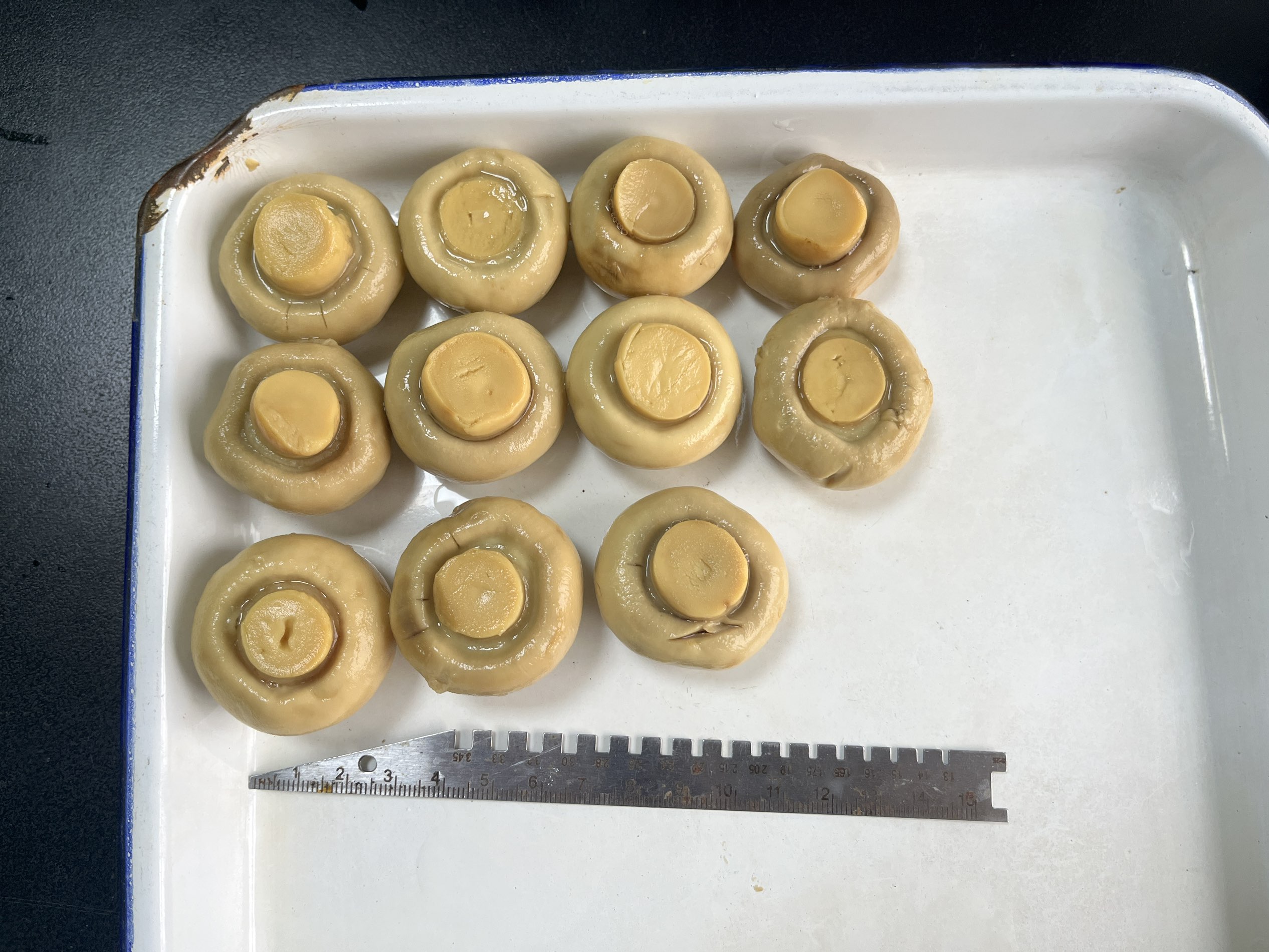
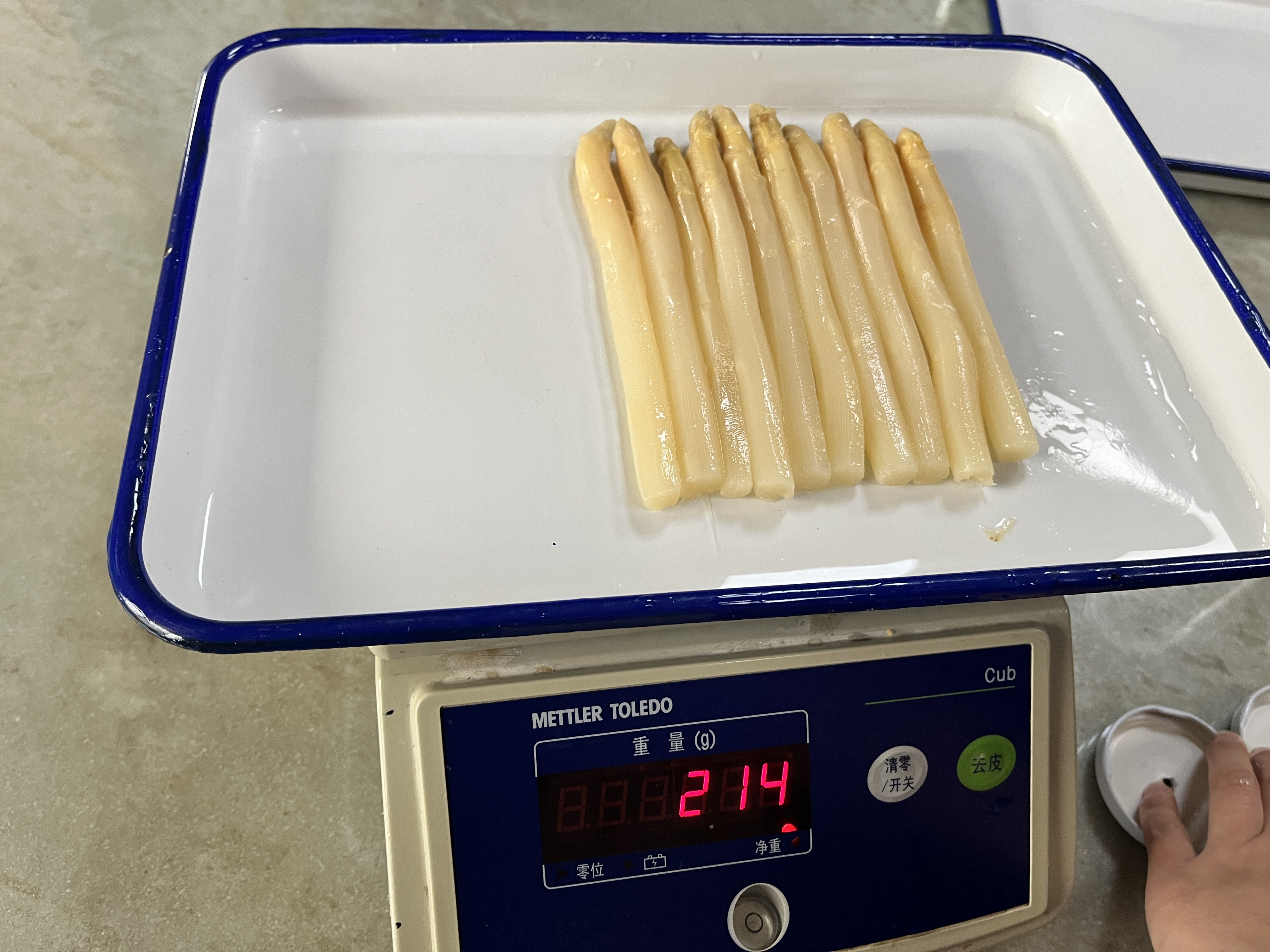
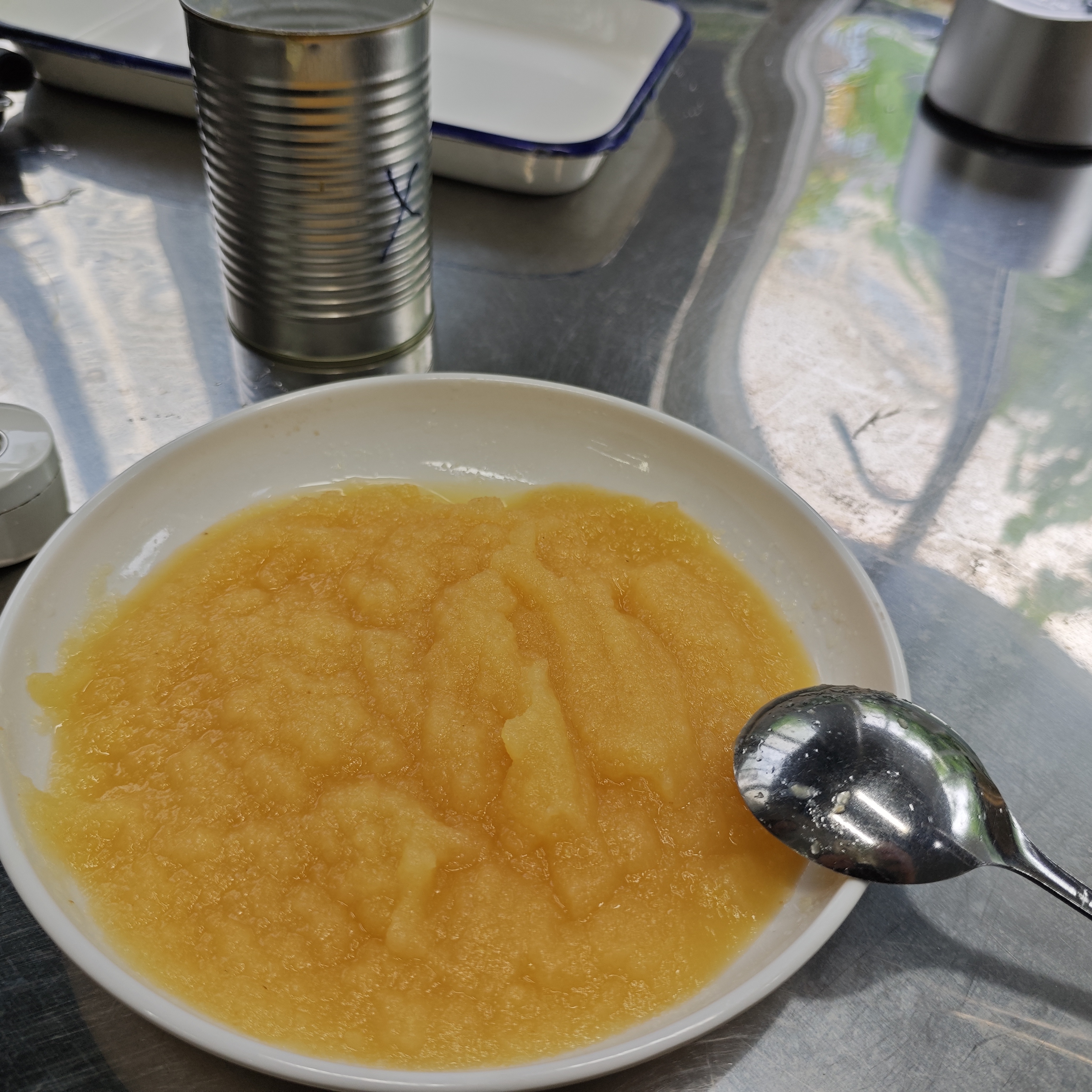
The canned fruit side of the range includes canned mandarin oranges, canned pineapple, canned yellow peach, canned pear, canned fruit jelly, canned fruit cocktail, canned cherries, canned applesauce, fruit cups and canned lychee. The canned vegetable side includes canned mushrooms, canned asparagus, canned sweet corn, canned green peas, canned green beans, canned bamboo shoots, canned cabbage, canned beet roots, canned mixed vegetables and canned mashed potato flakes or powder.
Fruit products in the range are made from selected ripe fresh fruit, and vegetable products are processed from fresh raw materials shortly after harvesting. The products are sterilized and contain no preservatives, with a shelf life of 36 months under normal temperature.
Supporting certifications that complete the buyer audit pack
Halal is the entry document for Indonesia and Malaysia. The following certificates support the rest of the buyer review:
- ISO 22000:2018 — Food Safety Management System, issued by CQC, certificate number CNO0124F21626R5M/3200, applicable to the Global market. The certified scope covers canned peach, mix fruits, pear, orange, apple, pineapple, jam and jelly (pulpy jelly). Canned vegetables are not listed in this scope.
- BRCGS Certification — BRCGS Global Standard Food Safety Issue 9, issued by Intertek Certification Limited, certificate number 05LA1209004, issued 2025-10-05 and expiring 2026-12-02. The certified scope includes washing, peeling, pre-cooking, filling, seaming and pasteurization of canned fruit, and canned apple sauce in tin can, plastic cups and plastic bags.
- STAR-K Kosher Certificate — certificate number RIB1RR1Q, issued by STAR-K Kosher Certification (Baltimore, Maryland, USA), issued 2025-04-03 and expiring 2026-03-31. The certified canned fruit scope covers apple, apricot, mandarin orange, mixed fruits, pear and yellow peach.
- FDA Food Facility Registration — registration number 18082639404, filed with the U.S. FDA, valid 2024-10-09 to 2026-12-31. The registration covers Category 17 Fruit & Fruit Products only and excludes fish cans. The U.S. Agent on the registration is Diana Liu, Quincy MA.
Read together, these documents answer the questions that Indonesian and Malaysian buyers usually raise in sequence: is the item halal-relevant, is the production system certified, is the process audited, and does the range meet the regulatory expectations of other markets the buyer may also serve.
Step-by-Step: Adapting Canned Fruit SKUs to Halal Menus and Retail Programmes
The sequence below is the practical order of work for a foodservice or retail buyer building a halal canned fruit programme. Following it in order prevents most re-work.
Step 1 — Match the certificate scope to the exact SKU list. Write out the intended SKU list first, then read the certificate scope against it, item by item. Fruit items and canned/glass vegetable items fall under different wording inside the same document, and the wording is what the compliance reviewer will check.
Step 2 — Check the validity window against shipment and contract dates. HALAL 1031240000 is valid from 2024-11-30 to 2027-11-29. Confirm that the certificate remains valid across the shipping window and the intended selling period, and note the review date in the supplier file.
Step 3 — Choose the pack format by application, not by habit. The range is available in 425g and 2950g net weights and in A9 and A10 whole-segment styles. Retail shelves and portion-controlled menu service typically work with the smaller format; central kitchens, banquet operations and food processors that re-pack work with the larger formats.
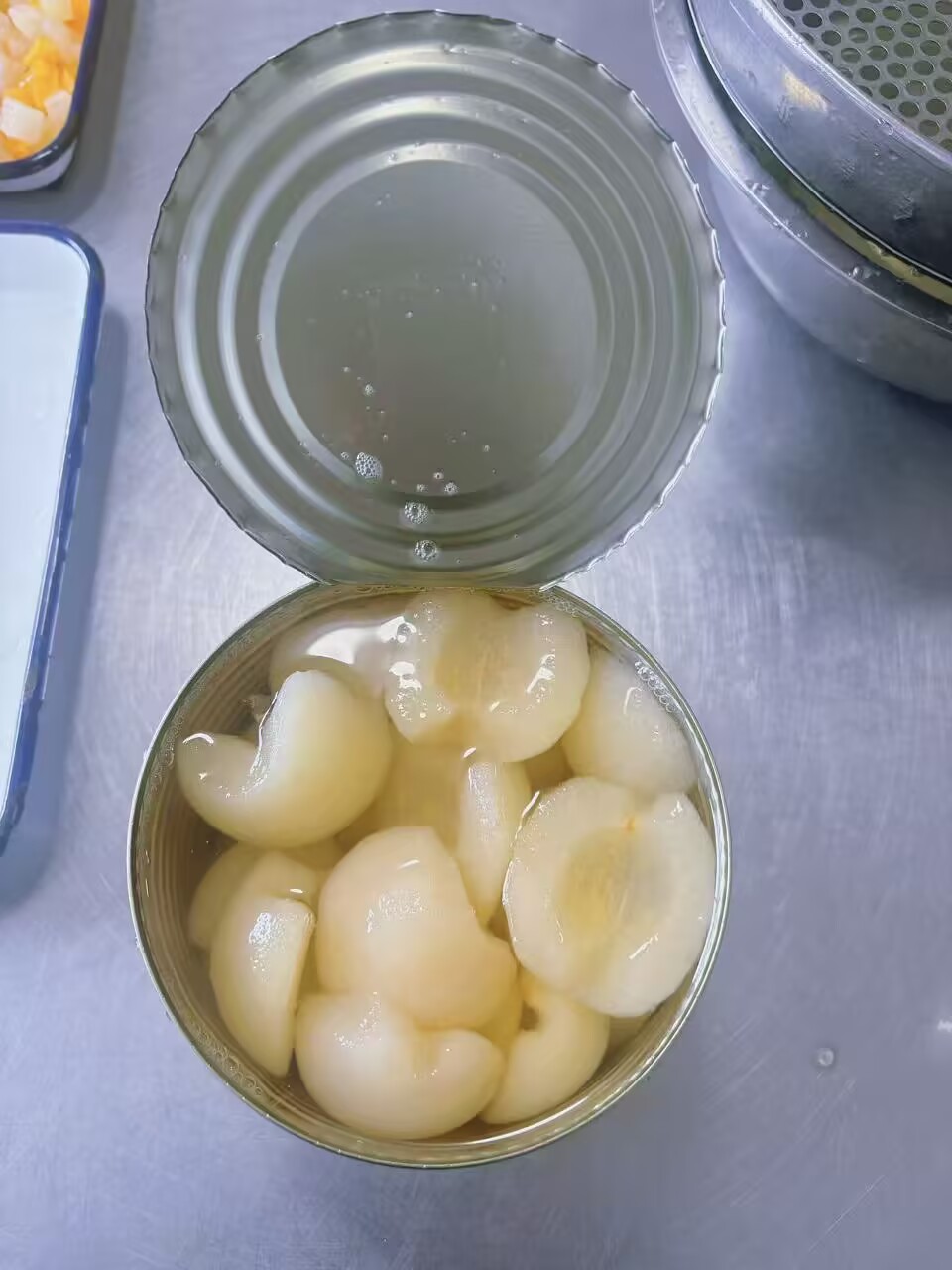
Step 4 — Confirm the packing medium and menu function. The canned fruit range is packed in light syrup, which suits dessert service, chilled fruit preparations and bakery applications where the syrup is part of the recipe rather than a drained liquid to be discarded.
Step 5 — Assemble the documentation pack before the order, not after. Request the documents your importer or retailer needs: certificate of analysis for the batch, health certificate, pre-shipment inspection report, traceability report, complete export and customs clearance documents, and factory certification copies where the buyer audits the supplier directly.
Step 6 — Set storage and handling rules for the receiving end. Store in a cool, dry place between 5–25°C, away from direct sunlight and heat sources, and keep relative humidity below 75%. Keep stock at least 10 cm off the floor on pallets or racks with clearance from walls for ventilation, stack heavy cartons at the bottom, and run first-in-first-out rotation with weekly checks for rust, swelling or leakage.
Step 7 — Validate with samples and lock the label. Trial the actual specification in the kitchen or on the shelf before committing volumes, then finalize pack, label and, where required, private-label artwork. OEM and logo customization are supported, with a minimum order quantity of 1 FCL and a production lead time of 4–6 weeks.
Use Cases: Where Canned Fruit Fits Halal Foodservice and Retail
Canned fruit and vegetable SKUs serve several distinct channels in Indonesia and Malaysia. The application determines the pack, the format and the label, which is why the same certified range is used in different ways by different buyers.
- Hotel, banquet and dessert service. Whole-segment formats in light syrup are portioned directly into dessert bowls and plated fruit service, with the syrup used as a serving medium. Ambient storage keeps working stock out of the chiller.
- Ramadan and seasonal catering programmes. Seasonal demand concentrates volume into a few weeks. The 36-month shelf life allows buyers to build and hold stock ahead of the season without relying on cold-chain capacity.
- Chilled fruit dessert and beverage preparation. Mixed fruit, lychee, mandarin orange and cocktail items are used in chilled dessert and drink preparations where consistent segment size and a stable syrup specification matter more than fresh-fruit variability.
- Institutional catering. Hospitals, schools and corporate canteens use canned fruit and canned vegetables as a low-waste, ambient-stored menu component, opened and served or heated directly.
- Retail and convenience-store programmes. Fruit cups and 425g cans support shelf-ready retail listings, including private-label programmes with buyer-specific artwork.
- Food processing and re-packing. Processors use bulk canned fruit as an input for fruit cocktail, bakery fillings and dessert manufacturing, where batch-to-batch consistency of segment size and syrup is the key requirement.
- Convenience and remote-area distribution. Because storage and transport do not require a cold chain, canned items remain viable for distribution outside major urban centres.
Certification Comparison Table
The table below summarises the certificates held for this canned fruit and vegetable range. Each document answers a different buyer question, and the scopes are not interchangeable.
| Certificate | Issuing body | Reference standard | Scope relevant to canned fruit & vegetables | Validity |
|---|---|---|---|---|
| HALAL 1031240000 | SHC (Shandong Halal Certification Service), recognized by JAKIM | MS1500:2019; Indonesia Halal Law & Regulations; BPJPH Halal Regulations | Canned fruit and vegetable product range; canned/glass mushroom, mushroom in brine, potato, baby corn, bamboo shoots, bean sprouts, cut green bean, green pea and kidney bean items | 2024-11-30 to 2027-11-29 |
| ISO 22000:2018 | CQC | ISO 22000:2018 Food Safety Management System | Production of canned fruit: peach, mix fruits, pear, orange, apple, pineapple, jam and jelly (pulpy jelly). Canned vegetables are not listed in this scope | Certificate no. CNO0124F21626R5M/3200; validity dates to be confirmed on the certificate copy |
| BRCGS Certification | Intertek Certification Limited | BRCGS Global Standard Food Safety Issue 9 | Washing, peeling, pre-cooking, filling, seaming and pasteurization of canned fruit; canned apple sauce in tin can, plastic cups and plastic bags | 2025-10-05 to 2026-12-02 |
| STAR-K Kosher RIB1RR1Q | STAR-K Kosher Certification, Baltimore, Maryland, USA | Kosher certification (Pareve / dairy-free and meat-free status) | Canned apple, apricot, mandarin orange, mixed fruits, pear and yellow peach in syrup, water, pear juice or solid pack | 2025-04-03 to 2026-03-31 |
| FDA Food Facility Registration 18082639404 | U.S. FDA | 21 CFR 1.225–1.244; 21 CFR 113/114 as applicable | Category 17 Fruit & Fruit Products only; excludes fish cans | 2024-10-09 to 2026-12-31 |
Details reflect the certificate documents held for this range. Buyers should verify each item against the certificate copy supplied with the order and confirm which documents their own importer, distributor or retail compliance team requires.
Product and Pack Specifications for Foodservice Planning
| Specification | Detail |
|---|---|
| Product types | Canned fruits and canned vegetables |
| Net weight | 425g / 2950g |
| Style | A9, A10 whole segments |
| Packing medium | Light syrup |
| Shelf life | 36 months under normal temperature |
| Preservation | Sterilized, no preservatives |
| Storage and transport | Ambient temperature; no cold chain required |
| Customization | OEM, logo customization and private label supported |
| MOQ | 1 FCL |
| Lead time | 4–6 weeks |
| Monthly capacity | 3,500 units |
| Quality control | Incoming raw material inspection, on-line production patrol, per-batch laboratory physical, chemical and microbiological testing with COA, batch sample retention; third-party inspection (SGS / Intertek) acceptable |
| Documentation | COA, health certificate, pre-shipment inspection report, traceability report, complete export and customs clearance documents; factory certification copies for buyer audit; OEM formula and label design support |
Frequently Asked Questions
How can Indonesian and Malaysian buyers verify that a Chinese canned fruit and vegetable supplier holds valid export certifications?
Ask for the certificate copy itself rather than a reference to it, and read four fields: the item scope, the market coverage, the issuing body and the validity dates. For this range, the halal certificate is 1031240000, issued by SHC and recognized by JAKIM, referenced to MS1500:2019, Indonesia Halal Law & Regulations and BPJPH Halal Regulations, valid from 2024-11-30 to 2027-11-29, with coverage for Indonesia, Malaysia and global Muslim markets. Supporting documents to request at the same time include the ISO 22000:2018 certificate (CNO0124F21626R5M/3200, canned fruit scope), the BRCGS Issue 9 certificate (05LA1209004), the STAR-K Kosher certificate (RIB1RR1Q) and the FDA Food Facility Registration (18082639404, Category 17 Fruit & Fruit Products only).
Which canned fruit and vegetable items are covered by HALAL certificate 1031240000?
The certificate applies to the canned fruit and vegetable product range and explicitly lists canned and glass mushroom, canned and glass mushroom in brine, canned and glass potato, canned and glass baby corn, canned and glass bamboo shoots, canned and glass bean sprouts, canned and glass cut green bean, canned and glass green pea and canned and glass kidney bean items. The fruit side of the range includes canned mandarin oranges, canned pineapple, canned yellow peach, canned pear, canned fruit jelly, canned fruit cocktail, canned cherries, canned applesauce, fruit cups and canned lychee. Buyers should match the order list against the certificate wording before releasing a purchase order.
What drives the cost of a halal canned fruit programme for foodservice?
Cost in this category is driven by pack format as much as by the product itself. A 2950g, A9 or A10 bulk format divides packaging and freight cost across more servings than a 425g can, while the 425g format supports retail listings and portion-controlled menu service. Ambient storage and a 36-month shelf life remove cold-chain cost and reduce inventory loss across long distribution routes, and mixed container loading allows different items and formats to be consolidated into one shipment. Because OEM, logo and private-label customization are available from a MOQ of 1 FCL, buyers should compare total landed programme cost rather than unit price alone.
Can we request samples and certification copies before placing an order?
Yes. Samples are provided on the customer's courier cost, and factory certification copies can be supplied for buyer audit, including the halal, ISO 22000:2018, BRCGS, STAR-K Kosher and FDA Food Facility Registration documents. OEM formula and label design support is available as well. This allows a foodservice operator or retail buyer to run an internal halal review, a label review and a kitchen or shelf trial on the actual specification before committing to a shipment.
What are the MOQ and lead time for a halal canned fruit order?
The minimum order quantity is 1 FCL and production lead time is 4–6 weeks, with a monthly capacity of 3,500 units, so orders can be scheduled across a quarter when a distributor or retailer is building stock for a season or a promotional period. Because the halal certificate is valid to 2027-11-29, buyers planning multi-year programmes should build a certificate review checkpoint into their annual supplier audit. To start, send your target SKU list, pack format and destination port to charles.cai@agrogentra.com or miya.kang@agrogentra.com and request a quotation together with the matching certificate copies.
Next Step
Adapting canned fruit to a halal foodservice or retail programme in Indonesia and Malaysia comes down to four checks: confirm that the certificate scope matches the SKU list, confirm that the validity window covers the shipment period, match the pack format to the application, and assemble the documentation pack before the order is placed. Done in that order, the certified range moves from quotation to shelf without a compliance detour.
Request samples, certificate copies or a quotation
Agrogentra & Co., Ltd. (Xiamen) — Agrogentra Canned Foods
Website: www.agrogentra.com | Blog: blog.agrogentra.com
Email: charles.cai@agrogentra.com | miya.kang@agrogentra.com | susie.xie@agrogentra.com
Tel: +86-592-5393122, +86-592-2291213
WhatsApp: +1-408-599-4831, +8618150918630, +8618396134152
Address: 1F, Yundang Road 1-39, Siming District, Xiamen, Fujian Province, China
Product catalogue: Download the Agrogentra canned food leaflet (PDF)
Have Questions or Need More Details?
Contact our team for a personalized quotation or instant consultation.
Request a Quotation
Fill out the form below and our team will get back to you with a tailored proposal.
WhatsApp Direct Chat
Prefer to chat in real-time? Message us on WhatsApp for instant assistance & quick answers.
- Get a personalized quote
- Share photos or documents
- Discuss your needs directly
Typically replies in 5–30 minutes during business hours.