Canned Fish Application Guide for Retail, Wholesale and Food Processing Buyers
Answer first: canned fish should be selected by channel, not by price per can. Retail supermarket and convenience store programs need 125 g, 170 g (843#) and 425 g cans that are shelf-ready and easy to open. Wholesale distributors and importers need bulk formats, private-label flexibility and mixed FCL or LCL consolidation. Food processing and catering buyers need 1000 g fish cans and 425 g / 2950 g vegetable and fruit cans that suit re-packing and volume preparation. All three groups rely on the same product condition: a fully sterilized, ready-to-eat can that stores at ambient temperature for 36 months and moves long distance by sea without a cold chain.
This guide maps canned fish applications to buyer type. It is written for retail category managers, importers and wholesale distributors, and food processing or catering procurement teams who already know they want canned protein and now need to decide format, certification coverage, order structure and shipment configuration.
The supplier reference point throughout is Agrogentra & Co., Ltd. (Xiamen), trading as Agrogentra Canned Foods — a Chinese canned food supplier and exporter established in 2000 in Xiamen, Fujian Province, that sources, quality-controls and ships canned seafood, canned vegetables and canned fruit to customers in the United States, Latin America, Europe, Africa, the Middle East and mainstream Asian markets. Its stated customer groups are retail supermarkets, wholesale distributors and professional food processing industries, which is exactly the three-way split this article addresses.
Problem Definition: When the Wrong Canned Fish Format Costs More Than the Price Difference
The most common sourcing mistake in canned fish is buying one specification for every channel. A buyer finds a low unit price on a bulk format, places one order, and then discovers the format does not turn over in the intended channel. The price advantage disappears into markdowns, dead stock and re-packing labour.
Four failure modes repeat across retail, wholesale and processing accounts.
- Format mismatch. A 1000 g can is efficient for catering and re-packing but slow-moving on a supermarket shelf where shoppers expect single-meal portions. Conversely, 125 g cans are convenient at retail but inefficient for a processor who will open dozens of units per shift.
- Certification mismatch. Certification coverage is specific, not generic. Coverage that satisfies a European retail buyer may not satisfy an Indonesian or Malaysian buyer, and destination-market registration duties fall on the importer and the packing establishment, not on the sales channel.
- Logistics assumption mismatch. Canned fish does not require a cold chain; frozen product does. A buyer who plans cold-chain storage for canned stock pays for electricity and refrigerated freight that the product does not need.
- Order-structure mismatch. Ordering single SKUs in LCL quantities can be more expensive per unit than a consolidated FCL that combines canned seafood, canned vegetables and canned fruit into one container with one document set.
There is also a storage-side risk that determines whether a good specification still sells through. Canned stock should be held at 5–25 °C with relative humidity below 75%, stacked at least 10 cm off the floor and away from walls, and rotated first-in, first-out. Storage above roughly 30 °C or above 85% humidity accelerates rusting and quality deterioration, and violent impact can damage the can seams. A can with domed or bulged ends indicates a seal failure and a spoiled batch: it must be quarantined, documented by batch number and traced with the supplier rather than sold.
Industry Background: What the Canned Fish and Canned Food Market Looks Like
Canned fish is the dominant segment of the canned seafood category rather than a niche within it. Grand View Research puts the canned fish share of the canned seafood market at 75.3%, which means most of the category's commercial volume sits in the product family this article covers.
Trade data confirms how internationally traded this category is. Global imports of canned and prepared fish under HS 1604 reached 3.2 million tonnes worth USD 17.54 billion in 2023, according to UN Comtrade data derived with FAO. Within that flow, canned tuna alone accounts for 43% of global canned fish import volume — a useful reminder that tuna is the volume anchor of most canned fish assortments, while sardines, mackerel, Alaska pollock, squid and baby clam carry the differentiation.
On the vegetable and fruit side, the global canned fruits and vegetables market is projected at USD 127.7 billion in 2026 (Business Research Insights). North American demand for tomato products is highly concentrated: the United States held 83.7% of North American canned tomato paste revenue share in 2024 (Grand View Research). This matters for mixed-container planning, because tomato paste, diced tomato and whole peeled tomato are frequently combined with fish SKUs in the same shipment.
Two regulatory developments shape evaluation-stage decisions in 2026. Regulation (EU) 2024/3115, effective January 2025, tightened plant health and traceability requirements for imported preserved foods into the European Union. In the United States, the FDA requires foreign canned food processors to register under the Food Canning Establishment (FCE) system and to file Scheduled Processes (SID) for low-acid canned foods. Both obligations sit at the manufacturing and import documentation level, which is why the certification conversation belongs in the evaluation stage rather than after the order is placed.
The Detailed Solution: Matching Canned Fish Applications to Buyer Type
Channel-fit selection works on four variables at once: pack format, sauce or packing medium, certification coverage, and container structure. The sections below apply those variables to each buyer type.
1. Retail Supermarkets and Convenience Stores
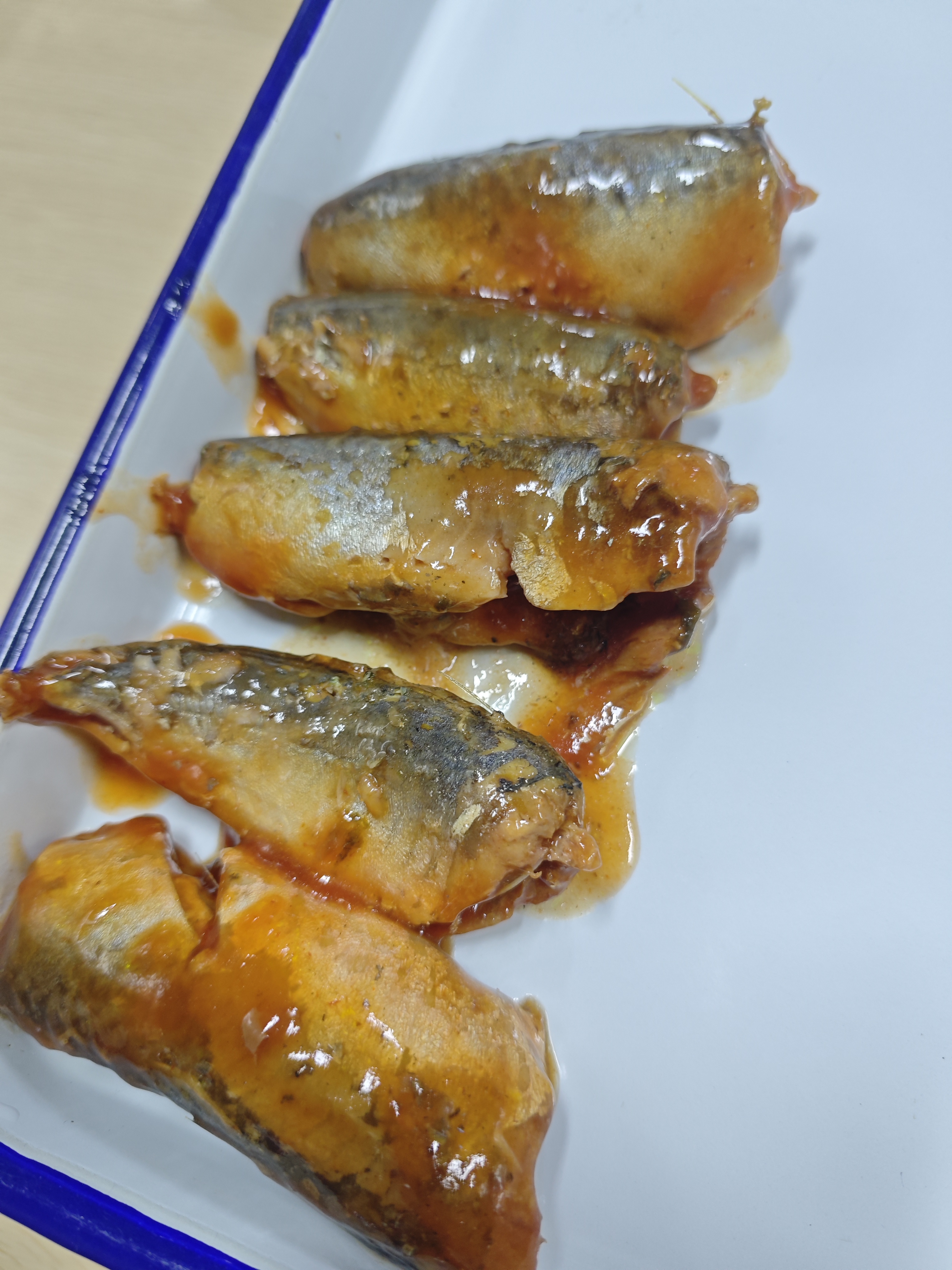
Retail demand is driven by portion size and opening convenience. The product line supplies net weights of 125 g, 170 g (843#) and 425 g for canned sardines, canned mackerel and canned tuna, with variants in vegetable oil, in tomato sauce and brined. Smaller cans suit individual and convenience channels; 425 g suits family consumption and small catering.
Can construction matters at the shelf. A three-piece tinplate can — body, bottom and lid, joined by welding and seaming — has the seam strength needed for the 121 °C pressurized sterilization that low-acid fish products require. Easy-open ends with a scored tear line and riveted pull tab remove the need for a can opener and are the practical choice for ready-to-eat home and convenience consumption.
Retail buyers should also plan the surrounding aisle. Canned vegetables and canned fruit complete a canned food set: canned tomato paste, ketchup, diced tomato and whole peeled tomato; canned sweet corn, green peas, green beans, mushrooms, asparagus, bamboo shoots, carrots, red pepper, sauerkraut, mixed mushrooms, baby corn, sweet potato, potato and mashed potato flakes; and canned apricot, figs, mandarin oranges, pineapple, yellow peach, pear, lychee, cherries, applesauce, fruit jelly and fruit cocktail. Storage is the same ambient profile across the set, so no separate warehouse zone is needed.
2. Wholesale Distributors and Food Importers
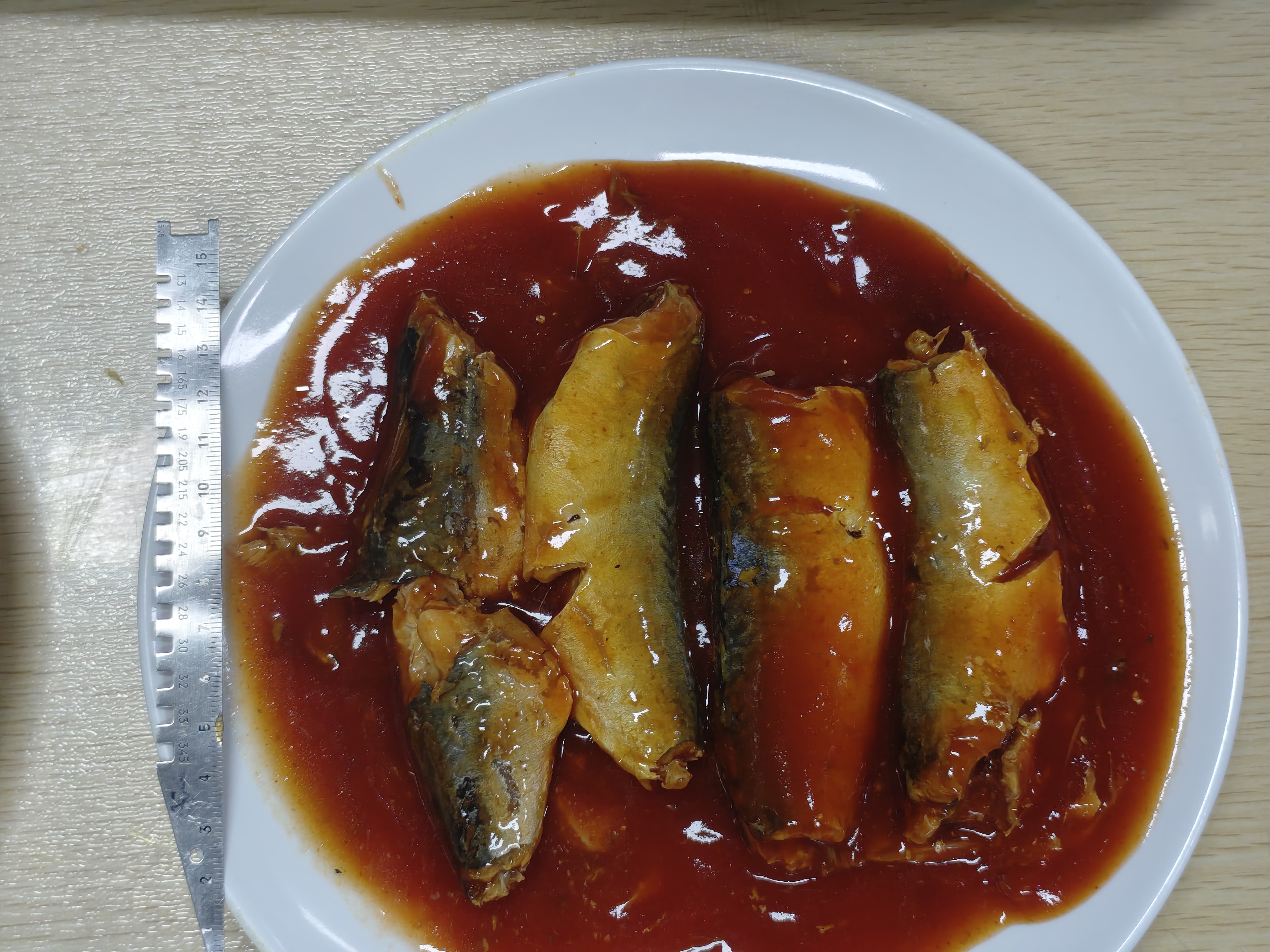
Distributors buy rotation and inventory safety, not single cans. The relevant formats are 425 g and 1000 g fish cans plus bulk vegetable and fruit cans in 425 g and 2950 g in A9 and A10 styles. These sizes serve foodservice, institutional and secondary-distribution accounts where opening labour is the constraint.
Two product properties reduce distributor risk directly. First, a 36-month ambient shelf life removes the cold-chain dependency that limits where frozen goods can be sold — canned stock can go to convenience stores, remote regions and inland markets without refrigerated transport or cold storage. Second, a product that is fully sterilized and ready to eat once opened needs no cleaning or pre-processing before sale or serving.
Certification coverage should be matched to the export market rather than assumed. Agrogentra's canned sardine, mackerel and tuna lines are covered by the BRCGS Global Standard for Food Safety, a GFSI-recognized food safety management certification for the global market. A Halal certificate is available for the product line, and the applicable Halal certification covers canned mackerel in tomato sauce, in oil and in brine, and canned sardines in tomato sauce, in oil and in brine.
For distributors building a market-specific assortment, established market logic is worth applying: Halal-certified sardine and mackerel cans for Gulf and North African markets, where Halal is a mandatory access requirement; tuna, mushroom and tomato products for Europe and North America, where standardized channels and consistent quality dominate; sardine, mackerel and luncheon-style cans for price-sensitive Southeast Asian markets; and cost-effective fruit, vegetable and fish cans for Latin America and emerging African markets.
3. Food Processing and Catering Industries
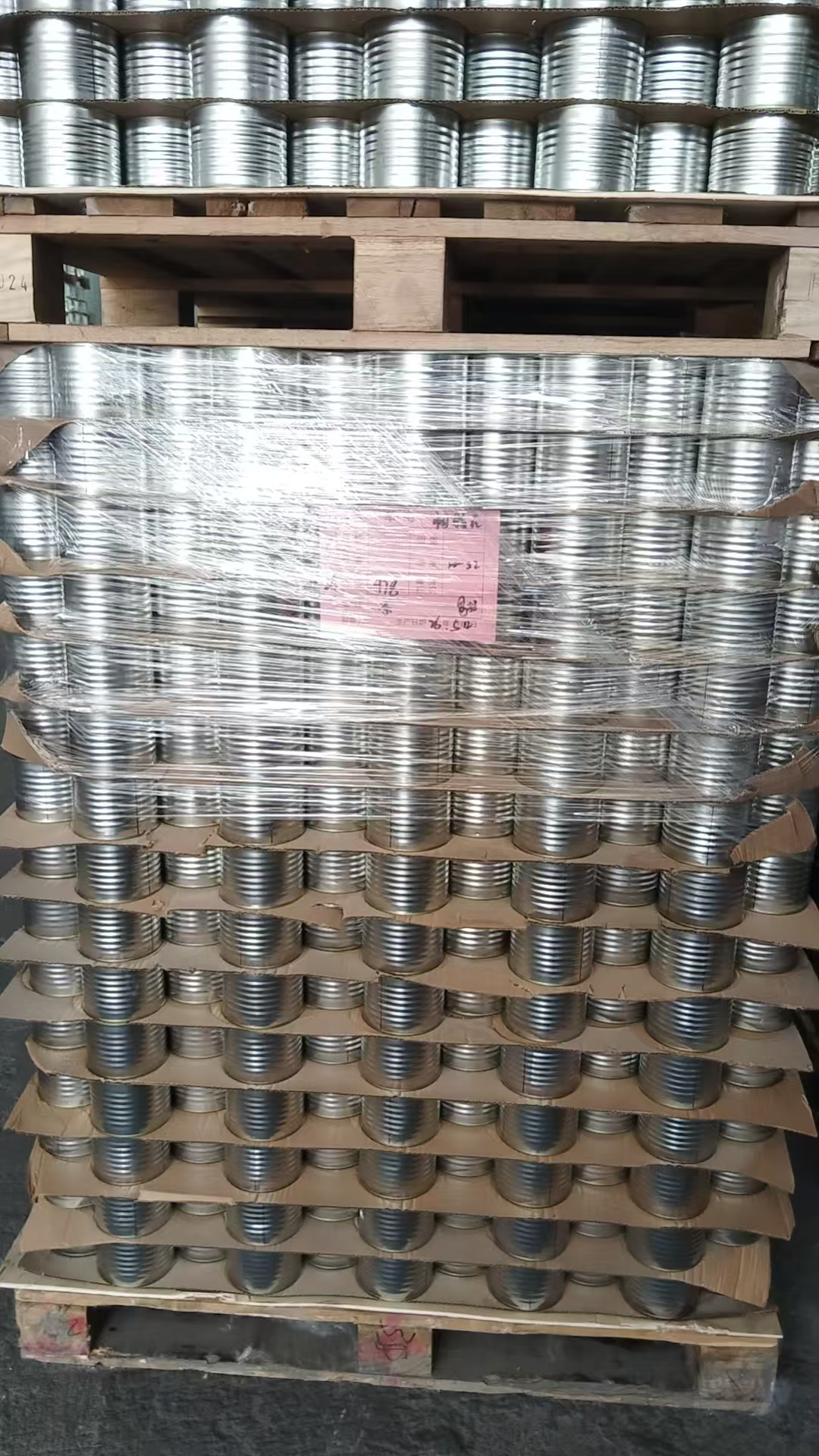
Processors buy usable yield per opening, not consumer appeal. The 1000 g canned fish format and the 425 g / 2950 g A9 and A10 vegetable and fruit cans are built for this: fewer openings per batch, less packaging waste, and a drained product that can be portioned directly into a recipe or re-packing line.
Processors should verify three technical points before approving a specification. The first is sterilization adequacy: low-acid products such as most fish require pressurized sterilization at 121 °C, while high-acid products such as tomato can be processed at lower temperatures because their pH is below 4.6. The second is the sterilization curve and cold-point (F0) value, which determine whether the batch achieves commercial sterility. The third is seaming integrity, since a failed seam is the root cause behind microbial growth and swollen cans.
The preservation principle is also the reason no preservatives are required in canned fish, canned vegetables or canned fruit. Airtight sealing creates an internal vacuum, typically 300–500 mmHg, that suppresses aerobic bacteria and oxidation; high-temperature, high-pressure sterilization then destroys pathogenic microorganisms and their spores inside the sealed can; and an incubation check confirms no swelling before release. For processors validating a supplier, a batch-level Certificate of Analysis, retained batch samples, and the option of third-party inspection through SGS or Intertek provide independent verification.
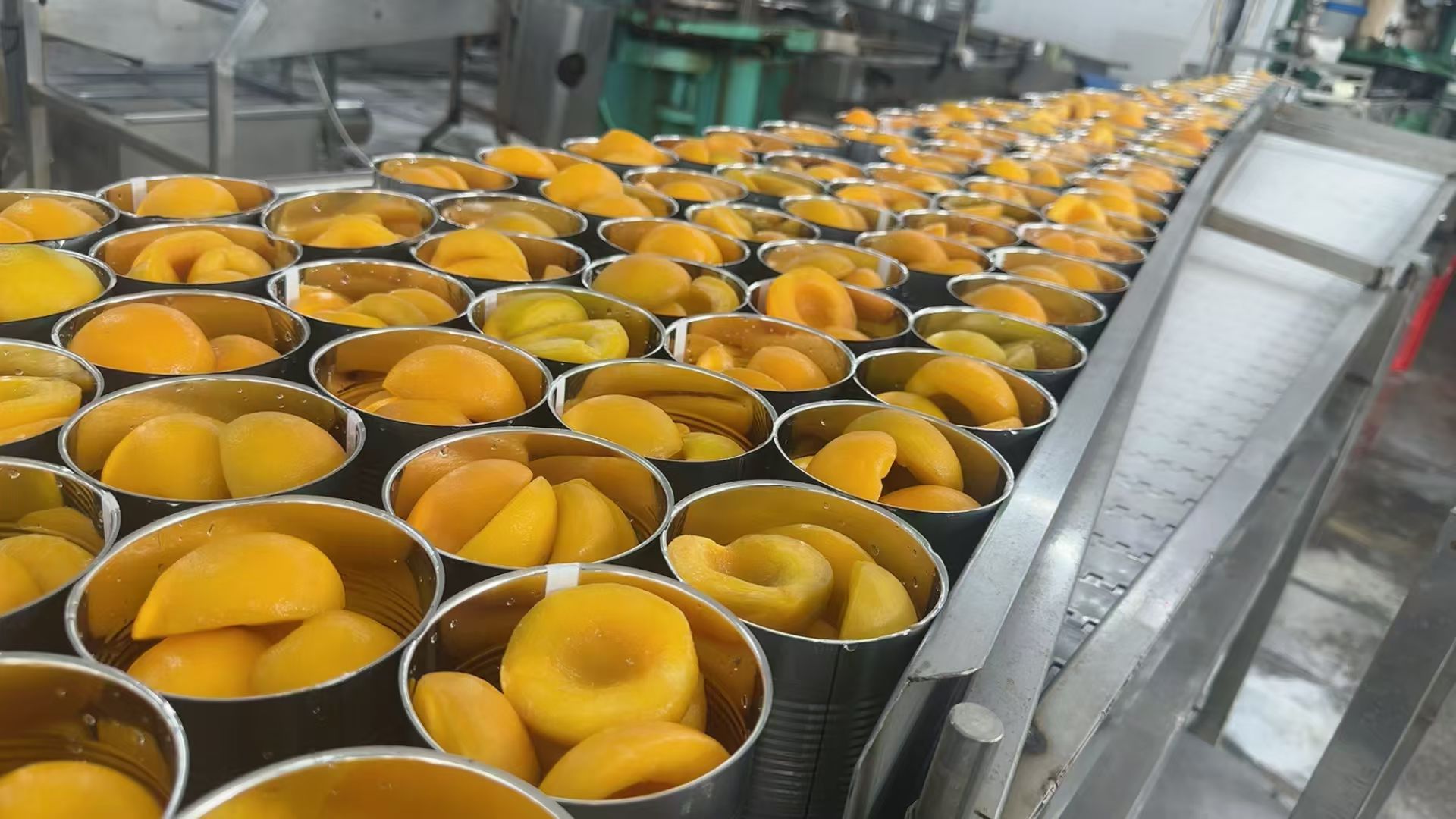
There is a documented precedent for bulk-can supply into re-packing operations: pear dices and seedless grapes supplied in 4.25 kg (A12) cans to European and Greek fruit processors for re-packing into canned fruit cocktails, running since 2005. That model — bulk can in, re-packed retail product out — is the cleanest example of how canned fruit becomes an input rather than a finished SKU.
4. Private Label and OEM Canned Tuna Programs
Canned tuna can be produced under a buyer's own brand. Agrogentra operates an OEM production mode with logo customization, which is the practical route for an importer or retail chain that wants its own label rather than a supplier label.
OEM program parameters:
- Production mode: OEM with logo customization
- Monthly capacity: 3,500 units
- Minimum order quantity: 1 FCL
- Production lead time: 4–6 weeks
- Quality control: incoming raw-material inspection, on-line production patrol, and laboratory physical, chemical and microbiological testing for each batch with a COA report
- Additional safeguards: batch sample retention and acceptance of third-party inspection by SGS or Intertek
- Export and brand support: COA, health certificate, pre-shipment inspection report, traceability report, OEM formula and label design, and factory certification copies for buyer audit
For private-label buyers, the specification decision usually narrows to three items: net weight tier, packing medium (vegetable oil, tomato sauce or brine), and can construction (standard or easy-open end). Because sizes are customizable and private label is supported for the product line, a buyer can align the can to an existing shelf plan instead of rebuilding the plan around the can.
5. Consolidated Mixed Container Loads
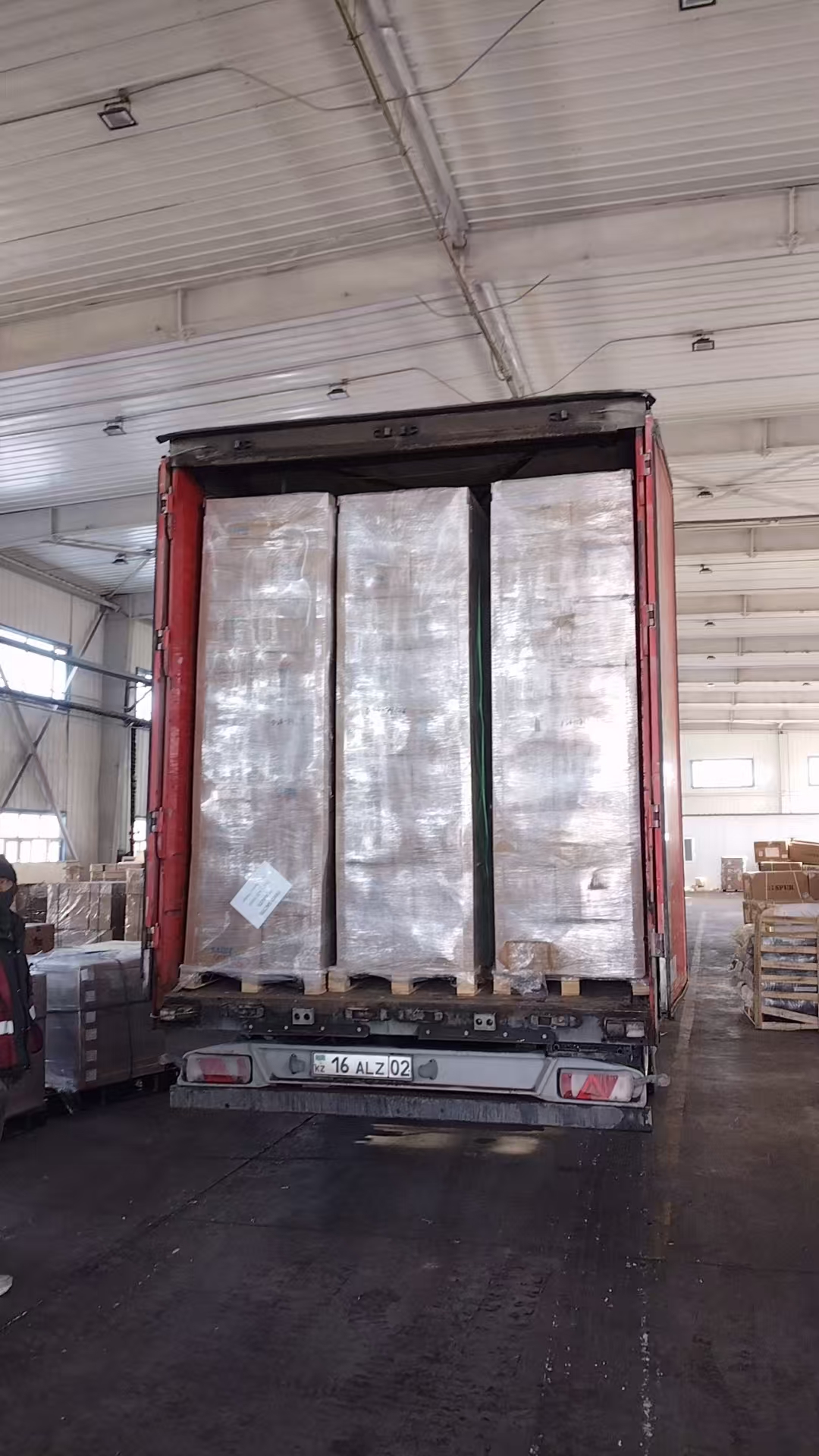
Consolidation is the most underused lever in canned food importing. Because canned seafood, canned vegetables and canned fruit share the same ambient, non-refrigerated handling profile and the same 36-month shelf life, they can be loaded together in a mixed full container load without any compatibility conflict. A single mixed FCL might combine canned sardines, mackerel and tuna in 125 g and 425 g with canned tomato paste, diced tomato, sweet corn, green peas, mushrooms, peach, pear and fruit cocktail in 425 g and 2950 g formats.
The commercial effect is threefold: container utilization improves, one document set and one inspection cycle cover the whole shipment, and the importer obtains a complete canned assortment from a single supplier relationship rather than three parallel ones. The same consolidating approach has supported mixed FCL and LCL shipments for food importers, grocery wholesalers and supermarket distributors, with the recorded outcome being stable food supply and low inventory loss.
Step-by-Step: Building a Channel-Ready Canned Fish Order
- Define the channel and the rotation target. Decide whether the SKU must rotate on a retail shelf, move through secondary distribution, or be consumed on a processing or catering line. This single decision eliminates most wrong formats before any price discussion starts.
- Lock the technical specification. Fix net weight (125 g, 170 g / 843#, 425 g or 1000 g), packing medium (in vegetable oil, in tomato sauce or brined), can construction (three-piece can with standard or easy-open end), and shelf life expectation (36 months at ambient temperature; up to 36 months for the fruit and vegetable range).
- Confirm the certification path for the destination market. Check BRCGS coverage for the product family, Halal applicability for Muslim-majority markets, and destination-side registration duties such as FDA FCE registration and SID filing for the United States or traceability requirements under EU Regulation 2024/3115 for Europe.
- Decide the brand structure. Choose between supplier brand, buyer private label, or OEM with logo customization. If private label is required, request the OEM formula and label design service early, because label review is often the longest lead-time item.
- Plan the container. Decide whether the order is a single-SKU FCL, a mixed FCL combining canned fish with canned vegetables and canned fruit, or an LCL trial shipment. Note that the minimum order quantity for OEM production is 1 FCL.
- Approve samples and artwork before production. Validate taste, texture, drained presentation, can opening and label layout physically rather than on a specification sheet.
- Fix the quality and documentation package. Require batch COA, health certificate, pre-shipment inspection report and traceability report, plus batch sample retention, and confirm whether third-party inspection by SGS or Intertek will be used.
- Receive, store and rotate correctly. Inspect cartons and can bodies on arrival for rust, dents or swollen ends; store at 5–25 °C with humidity below 75%; stack on pallets at least 10 cm off the floor; apply first-in, first-out; and inspect weekly for rust, swelling or leakage.
Use Cases: Three Buying Situations and the Right Product Mix
Case 1 — Importer in a Market Without a Reliable Cold Chain
Canned fish suits long-distance sea freight and markets where cold-chain infrastructure is incomplete or expensive. The recommended mix is a consolidated container of canned sardines, mackerel and tuna for daily protein demand, plus canned tomato paste, diced tomato, sweet corn, green peas and fruit cocktail for basket completion. Every SKU carries the same storage condition and the same 36-month ambient shelf life, so the importer operates one warehouse zone without refrigeration and distributes to inland and convenience channels that frozen goods could not reach.
Case 2 — Institutional, Emergency and Remote-Area Stock
Stock programs that must remain edible and safe without power or refrigeration are a natural fit for canned product. The operation mode is direct consumption after opening with optional heating; the only matched equipment needed is a can opener and a food serving container. Where the target population is Muslim-majority, Halal certification is a mandatory access requirement rather than an optional claim, so the Halal-certified canned mackerel and sardine lines should be specified at the outset.
Case 3 — Processor Re-Packing Bulk Cans into Finished Retail Products
A food processor buys volume, not shelf presence. The mix here is 1000 g canned fish for catering and prepared-food lines, 425 g and 2950 g A9 / A10 vegetable and fruit cans for volume cooking and re-packing, and bulk fruit cans for cocktail or dessert assembly. This is the application profile that has supported the supply of pear dices and seedless grapes in 4.25 kg cans to European and Greek fruit processors for re-packing since 2005.
Comparison Table: Canned Fish Applications by Buyer Type
| Buyer type | Best-fit canned fish formats | Supporting canned vegetables / fruit | Certification priority | Logistics profile | Typical order pattern |
|---|---|---|---|---|---|
| Retail supermarket / convenience store | 125 g, 170 g (843#), 425 g sardines, mackerel, tuna in oil, tomato sauce or brine; easy-open ends | Tomato paste, diced tomato, whole peeled tomato, ketchup, sweet corn, green peas, mushrooms, peach, pear, fruit cocktail | BRCGS food safety coverage; Halal where the shopper base requires it; destination labelling compliance | Ambient storage, 36-month shelf life, no cold chain, FIFO rotation | Multi-SKU mixed FCL or LCL trial order |
| Wholesale distributor / importer | 425 g and 1000 g fish cans; full sardine, mackerel, tuna, Alaska pollock, squid and baby clam range | 425 g and 2950 g A9 / A10 vegetable and fruit cans | BRCGS global coverage; Halal certificate for Indonesia and Malaysia standards; market-specific entry documents | Long-distance sea freight, ambient warehousing, low inventory loss | Consolidated mixed FCL; private label optional |
| Food processing / catering industry | 1000 g canned fish for volume preparation | 425 g / 2950 g A9 and A10 cans; bulk fruit cans for re-packing | Batch COA, sterilization parameters, seaming integrity, third-party inspection acceptance | Ambient bulk storage; drained product portioned directly into production | Bulk FCL with recurring replenishment |
| Private-label brand owner | Private label and OEM canned tuna; customizable sizes | Optional private-label vegetables and fruit | OEM formula and label design; factory certification copies for audit | Samples on buyer's courier cost; 4–6 week production lead time | 1 FCL minimum; logo customization |
The table is a starting filter, not a fixed rule. The practical test is whether a candidate SKU can be sold or used at its intended opening size, with its intended storage condition, under the certification coverage the destination market actually enforces.
FAQ: Canned Fish Sourcing Questions Buyers Ask Most
1. How do I verify that a Chinese canned sardine and mackerel manufacturer is properly certified for food safety?
Start with the certificate that names the product scope. Agrogentra's canned sardine, mackerel and tuna lines are produced under the BRCGS Global Standard for Food Safety (Issue 9, August 2022), certificate number 051A1312001, issued by Intertek Certification Ltd, a UKAS-accredited body (No. 014), valid from 27 January 2026 to 13 February 2027, with a scope of manufacturing of canned mackerel, sardine and canned tuna. BRCGS is a GFSI-recognized food safety management certification, and the certificate applies to the global market. Where a buyer's specification names HACCP or another food safety scheme, the correct route is to request the factory's certification copies during the audit stage — Agrogentra provides factory certification copies for buyer audit — and to appoint third-party inspection through SGS or Intertek, which is accepted. Halal certification is available separately and should be verified for Muslim-majority destinations.
2. Can canned tuna be produced under our own private label or OEM program?
Yes. Canned tuna can be produced under a buyer's private label through an OEM production mode with logo customization. Custom sizes and private label are supported for the product line, and the OEM service includes formula and label design support. The program parameters are a monthly capacity of 3,500 units, a minimum order quantity of 1 FCL, and a production lead time of 4–6 weeks. Quality control covers incoming raw-material inspection, on-line production patrol, and laboratory physical, chemical and microbiological testing for each batch with a COA report, plus batch sample retention. A Halal certificate is available for the product line, so a private-label program can be structured for Muslim-majority markets as well.
3. What determines the cost of a mixed container of canned fish, canned vegetables and canned fruit?
The main cost drivers are the net weight tier and pack size (125 g, 170 g / 843#, 425 g, 1000 g for fish; 425 g and 2950 g A9 / A10 for vegetables and fruit), the packing medium (in vegetable oil, in tomato sauce or brined), the can construction selected, the SKU mix inside the container, and how fully the container is utilized. Because canned product stores at ambient temperature, it avoids cold-chain freight and refrigerated warehouse electricity, which is a structural saving for markets without cold-chain infrastructure. Order size also matters: an LCL trial shipment carries a different cost structure from a full container, and the OEM minimum order quantity is 1 FCL. Quotations are therefore specification-based rather than a published price band, and the practical comparison is landed cost per usable serving by channel, not price per can.
4. Can we validate product and label before committing to a full container?
Yes. Samples are supplied on the customer's courier cost, so a buyer can evaluate taste, texture, drained presentation and can opening before production. Label and artwork validation is handled in parallel through the OEM formula and label design service, which is the stage where most specification errors are caught. Batch-level verification is available through the COA report issued for each batch, batch sample retention, and the option of third-party inspection by SGS or Intertek. The full export document package — COA, health certificate, pre-shipment inspection report and traceability report — then follows the shipment.
5. What is the lead time for a private-label canned tuna order, and how do we start?
The production lead time is 4–6 weeks, with a minimum order quantity of 1 FCL and a monthly capacity of 3,500 units. The recommended sequence is: confirm the specification (net weight, packing medium, can type), confirm the destination certification path, approve samples and label artwork, then plan the container — single SKU or mixed with canned vegetables and canned fruit. To begin, send your target specification, destination market and channel type to the export team; samples can be arranged on your courier account and a specification-based quotation will follow. You can also review the product range in the downloadable catalogue below before contacting the team.
Conclusion: Choose the Format First, Then Negotiate the Price
Canned fish is a single product family serving three different purchase logics. Retail buyers are paying for shelf-ready portioning and opening convenience. Distributors are paying for rotation safety, ambient storage and certification coverage that clears destination-market requirements. Processors are paying for usable volume per opening and for documented sterilization and quality control. When the format, packing medium, certification path and container structure are matched to the channel before price negotiation starts, the order stops being a sourcing transaction and becomes a product that actually sells through.
Three verified product properties make this flexibility possible at all: canned fish is suitable for long-distance sea shipment; it can be stored at ambient temperature without a cold chain, with a 36-month shelf life; and it is fully sterilized and ready to eat once opened. Canned vegetables and canned fruit share those same properties, which is precisely why consolidated mixed container loads work.
Next Step: Match a Specification to Your Channel
Tell us your buyer type — retail supermarket, wholesale distributor or food processing — together with the destination market and target pack size. We will propose a product mix, certification path and container plan, and arrange samples on your courier account.
Catalogue:Download the Agrogentra product leaflet (PDF)
Email: charles.cai@agrogentra.com | miya.kang@agrogentra.com | susie.xie@agrogentra.com
Tel: +86-592-5393122, +86-592-2291213
WhatsApp:Chat with the export team
Website:www.agrogentra.com
Have Questions or Need More Details?
Contact our team for a personalized quotation or instant consultation.
Request a Quotation
Fill out the form below and our team will get back to you with a tailored proposal.
WhatsApp Direct Chat
Prefer to chat in real-time? Message us on WhatsApp for instant assistance & quick answers.
- Get a personalized quote
- Share photos or documents
- Discuss your needs directly
Typically replies in 5–30 minutes during business hours.