How to Evaluate a Canned Fish Supplier: QC, Capacity and Delivery Checks
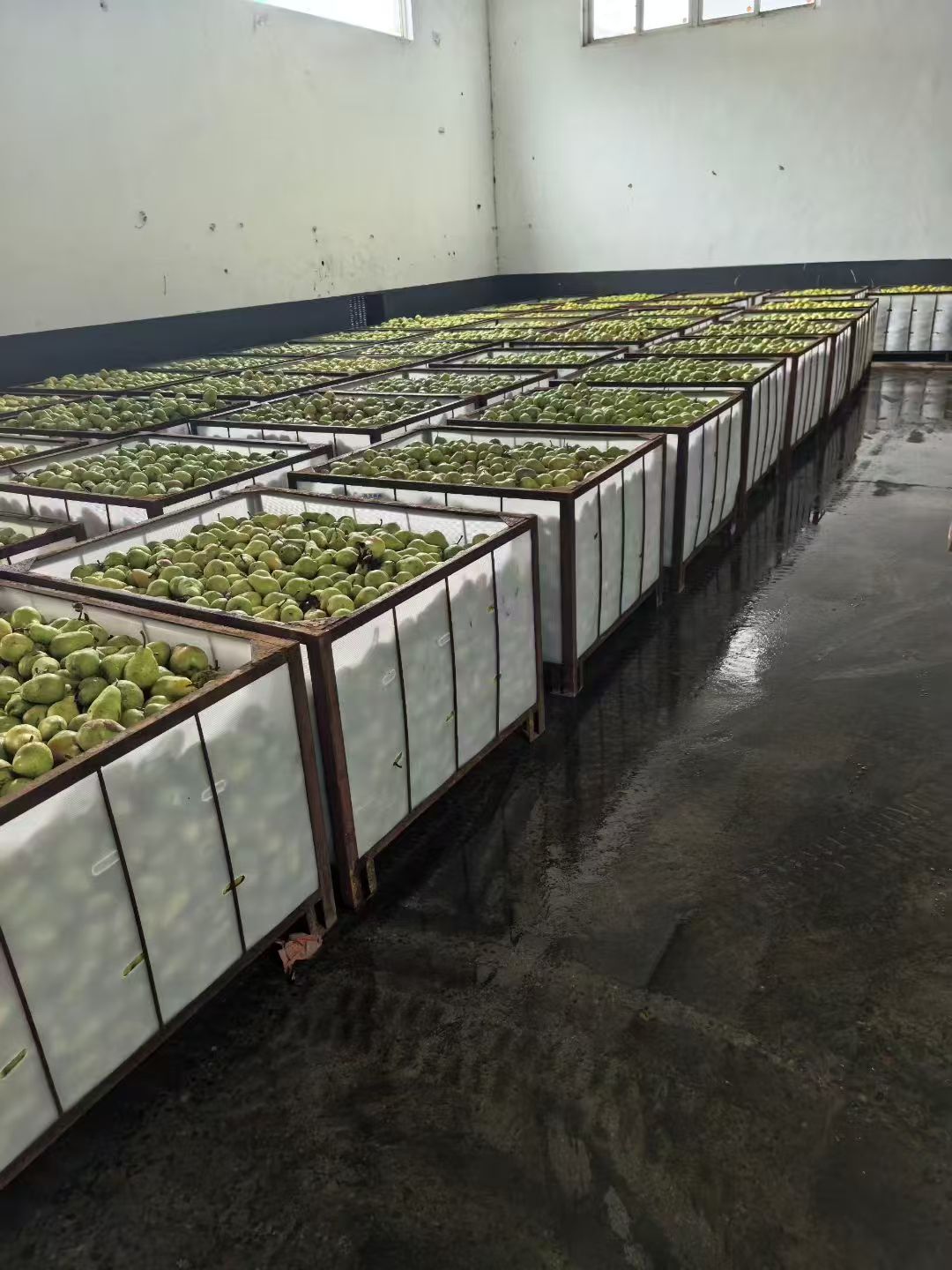
Raw material storage is the first lot-control checkpoint to audit: how incoming fish and vegetable lots are identified, separated and released.
When two canned fish quotations show a similar price per carton, most of the real difference sits somewhere the price sheet never shows: who owns quality control, how much production capacity actually stands behind the offer, and what gets checked between order confirmation and container release. This guide turns those questions into a five-gate supplier evaluation — compliance documents, QC ownership and location, factory and raw material control, production and finished product inspection, capacity fit, and pre-shipment discipline — with worked examples from Agrogentra & Co., Ltd.
Agrogentra & Co., Ltd. (Xiamen Agrogentra Co., Ltd.) is a Xiamen-based international trading company founded in 2000 that sources, controls and supplies Chinese canned food, fresh fruits and vegetables and frozen food to export markets, with an export-only business and customers across the United States, Europe, Latin America, Africa, the Middle East and Asia.
The evaluation problem: identical quotations, invisible processes
Canned fish is one of the few food categories where the commercial offer and the operational reality can look completely different on paper. A quotation normally fixes net weight, packing medium, carton count, delivery term and price. It says almost nothing about who inspects the fish before it enters the can, who signs off the sterilization record, or what happens if a batch fails a check.
Three structural reasons make supplier comparison hard at the decision stage:
- QC ownership is invisible. A trading supplier may run its own inspection teams, rely entirely on the factory's QA department, or book third-party inspectors per shipment. All three appear in a proposal as the same word: quality control.
- Capacity is quoted, not shown. Annual output figures are easy to state and hard to verify without a facility description, a product range and an audit session.
- Delivery performance only becomes visible after the first container. By then, remedies are expensive. A swollen can, for example, signals gas from microbial growth or spoilage caused by seal failure or insufficient sterilization; the affected batch must be quarantined in full, documented, traced by batch number and claimed — a process no buyer wants to discover on arrival.
The practical answer is to stop comparing suppliers on price and start comparing them on evidence that can be requested, read and checked. That is what the five-gate framework below does.
Industry background: why documentation now decides supplier selection
Canned fish is a large, structurally stable trade category, and the compliance layer around it has tightened. Four reference points frame any 2026 supplier decision:
- The global canned seafood market was valued at USD 57.69 billion in 2025 (Fortune Business Insights).
- Within that market, the canned fish segment holds a 75.3% share (Grand View Research), which is why supplier capability in fish SKUs usually determines the whole relationship.
- Global imports under HS 1604 (canned and prepared fish) reached 3.2 million tonnes worth USD 17.54 billion in 2023 (UN Comtrade / FAO-derived), with canned tuna alone accounting for 43% of import volume.
- Regulatory expectations are explicit. In the United States, foreign processors of low-acid canned foods must register under the FDA Food Canning Establishment (FCE) and file Scheduled Processes (SID). In the European Union, Regulation (EU) 2024/3115, effective January 2025, mandates stricter plant health and traceability requirements for imported preserved foods.
Two consequences follow for buyers. First, the document trail is no longer an administrative afterthought — it is a selection criterion that can eliminate a supplier before pricing is even discussed. Second, product breadth matters: a supplier covering canned sardines, mackerel, tuna, Alaska pollock, squid, baby clam and vegetable or tomato lines will be audited across a wider process scope than a single-SKU trader, and that scope should be visible in the evaluation.
The five-gate canned fish supplier evaluation framework
Each gate below is designed to be closed with a document, a record or an audit observation — not with a reassurance. Run all five before the first purchase order; afterwards, re-run gates 3 and 5 per shipment.
Gate 1 — Who owns quality control, and where do those people sit?
The first question is not do you have QC but whose QC is it, and where is it based. A supplier with its own inspection staff in the sourcing region can intervene at the factory before production is committed. A supplier that only books third-party inspection gets spot verification at a fixed point in time, which is useful but is not continuous process control.
Agrogentra, for example, maintains independent QC departments in both its Xiamen and Qingdao offices. The declared scope covers factory audits, raw material testing, production monitoring, finished product inspection and pre-shipment sampling — a full-process chain rather than a single arrival check.
- Ask: Are QC staff employed by you or by the factory? Which offices do they work from? Which production stages do they physically attend?
- Accept as evidence: Named QC departments with locations, a stage-by-stage inspection scope, and a sample inspection record showing who signed and when.
- Warning sign: QC described only as a partner laboratory or a third-party inspection booking, with no internal owner and no stage coverage.
Gate 2 — Factory audit and raw material testing
Raw material is where canned fish quality is decided. Buyers should confirm which factories are used, how they were audited, and how incoming fish, vegetables and tomato material are tested and released. A supplier working with stable factory resources and standardized production supervision can describe this chain concretely; a broker usually cannot.
Agrogentra's operational base includes a 36,000 sq m manufacturing facility, and factory audits plus raw material testing sit inside the QC scope rather than being handled by the factory alone. For a buyer, the audit question to press is segregation: how are accepted lots separated from pending or rejected lots in storage, and who authorises release.
- Ask: Which factories are proposed for my SKUs? When was each last audited, by whom, and against which standard?
- Accept as evidence: An audit summary with date and scope, a raw material acceptance procedure, and a lot identification method used in storage.
- Warning sign: Factory names withheld until after deposit, or raw material testing described as visual inspection only.
Gate 3 — Production monitoring and finished product inspection
This is the gate that separates suppliers who understand canning from suppliers who merely trade cans. Production monitoring means someone is present during seaming, filling and retorting, and that the records for those steps are retained. Finished product inspection means drained weight, fill, sauce ratio, appearance, seam integrity and can condition are checked on the finished lot, with an incubation or hold check where the process requires it.
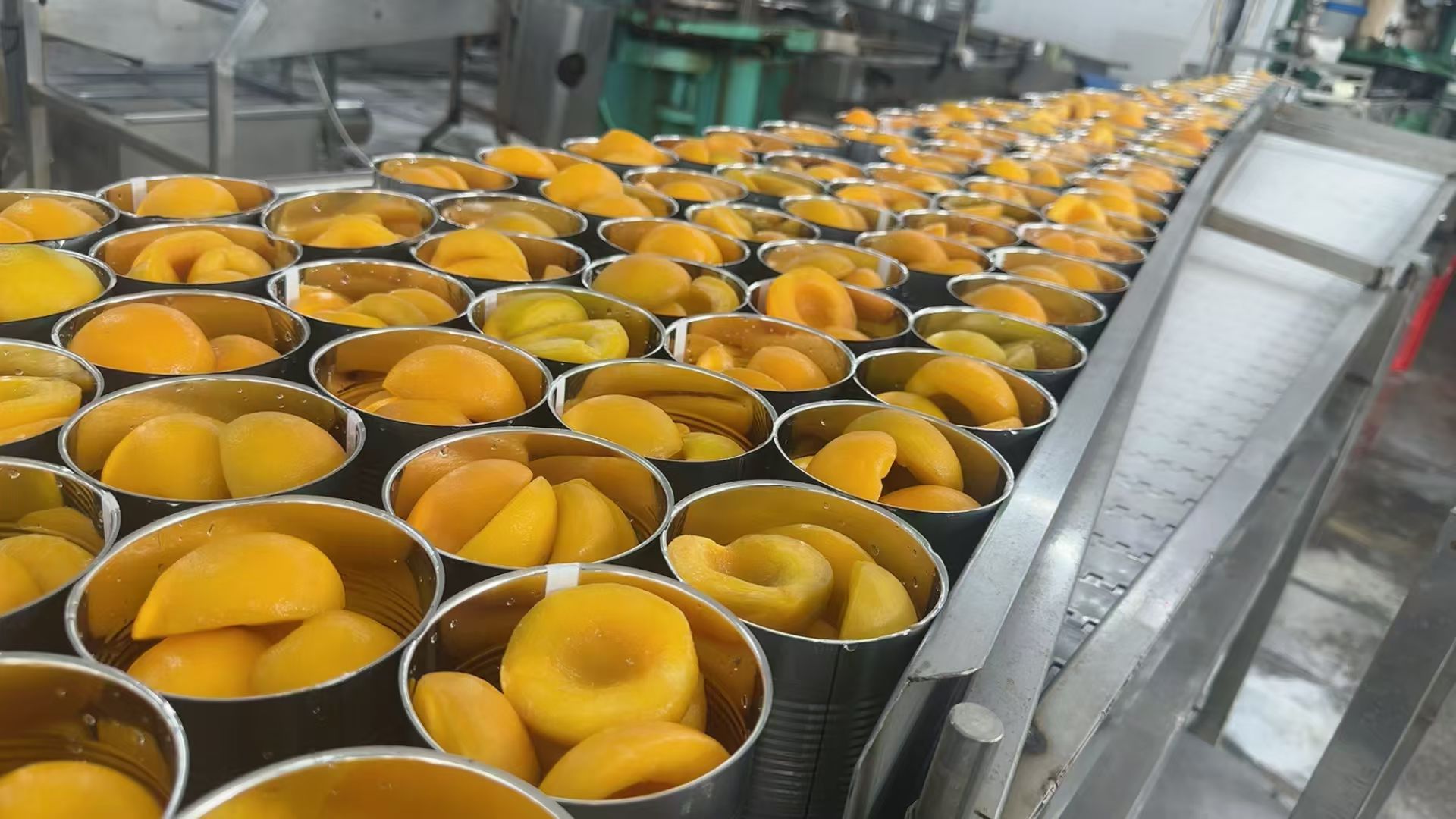
Production monitoring: the question is not whether a line exists, but who is standing on it and what is written down.
The technical logic is worth understanding because it makes the audit questions sharper. Canned food is preserved by hermetic sealing plus commercial sterilization — sealing creates a vacuum inside the can, and a pressurized retort at roughly 115–121°C destroys vegetative cells and spores. A supplier that can explain its seaming checks, sterilization parameters and post-process hold test is demonstrating process control. A supplier that cannot explain why a can swells is not in control of the process.
- Ask: Who attends the retort and seaming stages? Are sterilization records kept per batch? What is the finished product inspection list?
- Accept as evidence: A batch record extract showing production date, batch code, inspection results and the releasing signature.
- Warning sign: Inspection limited to external appearance, with no drained weight check and no batch-linked record.
Gate 4 — Capacity and technical depth match
Capacity should be evaluated against your order pattern, not against the largest number a supplier can print. A buyer running four SKUs in mixed loads needs different capacity behaviour from a buyer placing one high-volume seasonal order. Two figures and one team are usually enough to open the discussion: facility size, annual output, and the size of the technical team that handles specification changes and packaging formats.
Agrogentra's stated position is a 36,000 sq m facility, an annual output of 60,000 units, and a 6-engineer R&D team. The product range extends across canned sardines, mackerel, tuna, Alaska pollock, squid, baby clam, plus vegetables such as carrot, red pepper, sauerkraut, mixed mushrooms, sweet potato, potato, baby corn, tomato paste, ketchup, diced and whole peeled tomato, and fruit lines including apricot and figs. For a buyer, breadth is useful only if it is auditable — every additional category adds a process scope that the QC chain must actually cover.
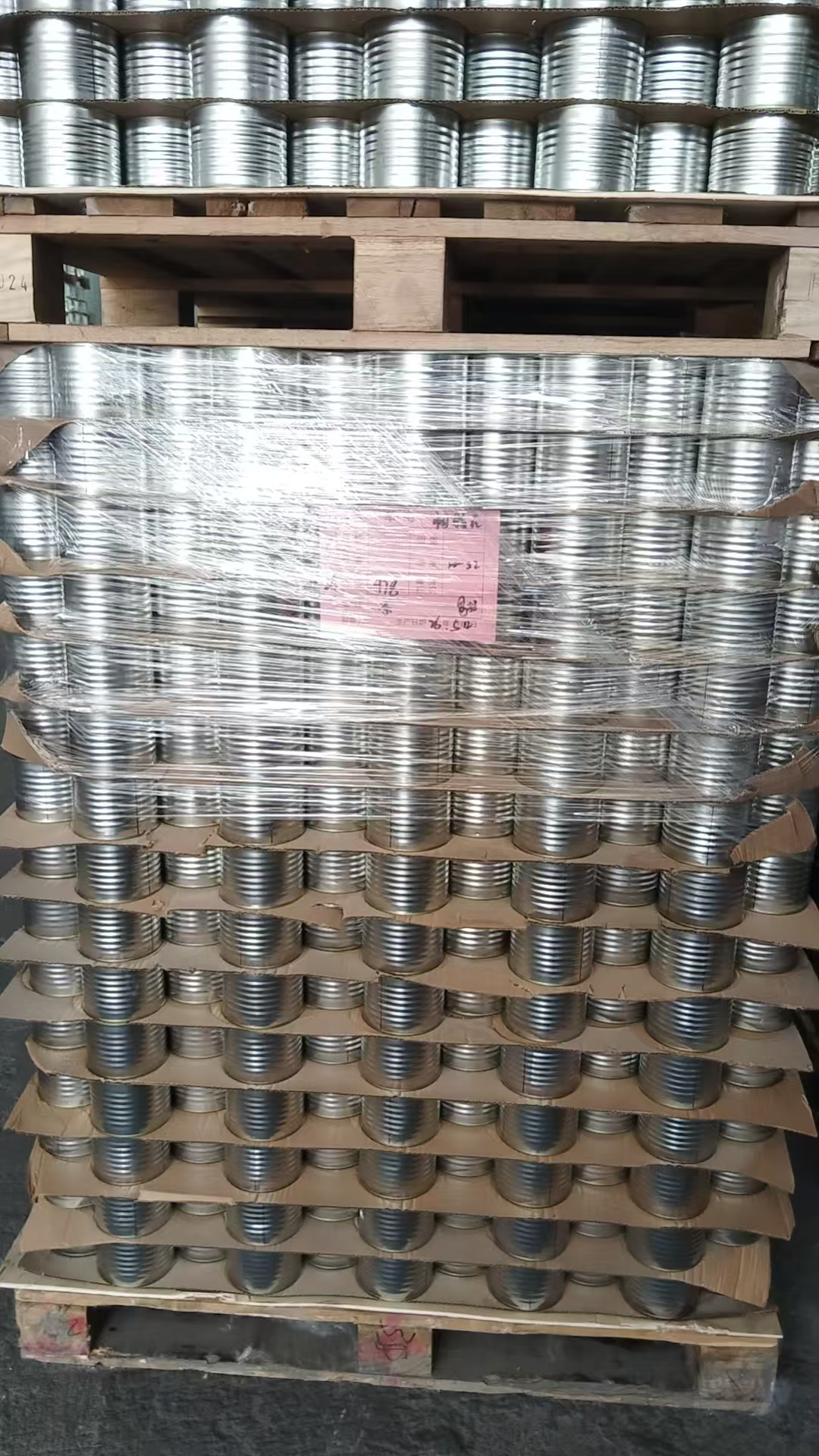
Finished goods handling: palletising and lot marking are part of the finished product check, not a warehouse afterthought.
- Ask: What is the annual output, and how is my order volume scheduled against it? Who owns specification changes?
- Accept as evidence: Facility description, output figure, R&D headcount, and the SKU list actually produced under the QC scope.
- Warning sign: Capacity claims with no facility description, or a specification change routed to a salesperson rather than a technical owner.
Gate 5 — Pre-shipment checks and delivery discipline
Pre-shipment is the last point where a problem can be fixed cheaply. The check should cover sampling from the packed lot, can integrity and seam condition, carton and label verification, palletisation, and loading supervision. Delivery discipline also covers documentation: health certificate, certificate of origin, and HALAL documentation where the destination market requires it.
Because canned fish is an ambient product, delivery checks are about physical integrity and heat exposure rather than temperature set-points. Canned fish offers 24–36 months of ambient shelf life, whereas frozen food offers 12–18 months at −18°C — a difference of 12–18 months. Storage and transport carry no refrigeration energy after production, and the reported loss rate for canned fish is below 1%, compared with 5%–10% for frozen food. The corresponding risk is exposure: prolonged high temperature or impact during transport and storage can damage seals, which is why loading conditions and handling records belong in the evaluation.
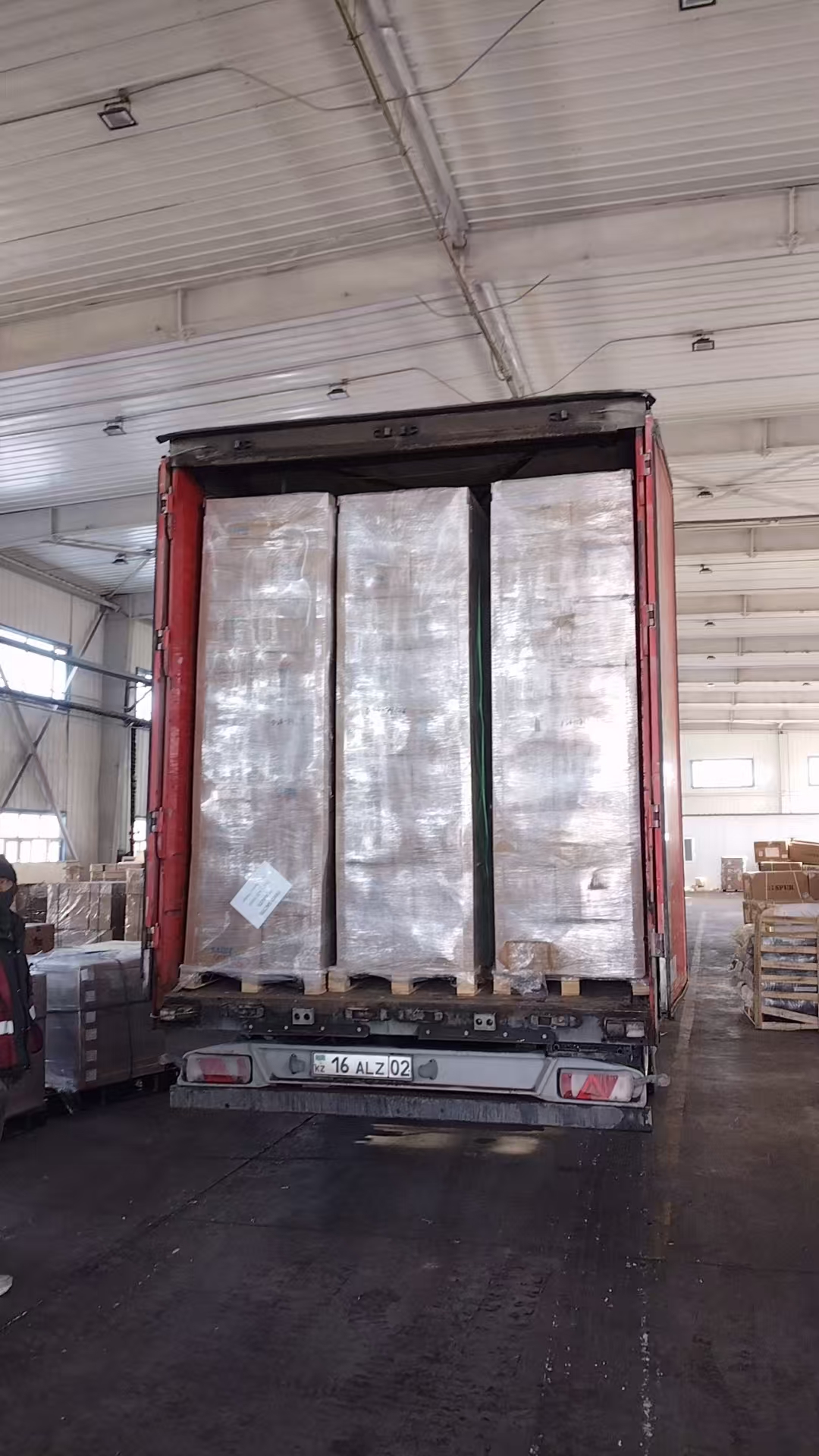
Container loading: the last physical check before the seal goes on and the release is signed.
- Ask: What is sampled before shipment, by whom, and who signs the release? Who supervises loading?
- Accept as evidence: A pre-shipment sampling record, a loading report with photographs, and the full document set issued before departure.
- Warning sign: Release signed by the factory alone with no supplier-side record, or loading supervision offered only as an optional paid extra after the first claim.
Step-by-step: running the evaluation in five working sessions
The framework is only useful if it is executed in an order that prevents wasted effort. The sequence below closes the cheap gates before the expensive ones.
Step 1 — Freeze the specification before comparing suppliers
Normalise net weight (for example 125 g, 170 g (843#), 425 g and 1000 g formats), packing medium (in oil, in tomato sauce, salt seasoned), drained weight, shelf life and labelling requirements. Canned fish lines are typically offered with a 36-month ambient shelf life and are fully sterilised and ready to eat; fruit and vegetable lines are commonly packed at 425 g and 2950 g in A9 and A10 formats in light syrup, also with a 36-month shelf life and no preservatives. Without a frozen specification, two quotations are not comparable.
Step 2 — Request the compliance pack first
Ask for the registration and filing evidence relevant to your market before any commercial discussion: FCE registration and SID filings for US-bound low-acid canned products, traceability documentation consistent with EU Regulation (EU) 2024/3115, plus health certificate, certificate of origin and HALAL documentation where required. Confirm that the legal entity named on the documents is the entity you will be paying.
Step 3 — Audit the factory and the QC interface
Combine a facility review with an interface review. The facility review covers layout, storage segregation, line condition and lot marking. The interface review is a short session with the QC owner: which stages they attend, what they record, and what authority they have to stop a batch.
Step 4 — Validate the sample and lock acceptance criteria
Ask for a sample that is traceable to a production batch, not a hand-prepared presentation unit. Record drained weight, fill, sauce ratio, seam condition, odour and taste, and label accuracy. Then convert those observations into written acceptance criteria attached to the purchase order.
Step 5 — Define pre-shipment release and the first-container review
Agree in advance what is sampled, who signs the release, what documentation ships with the container, and what happens if the pre-shipment check fails. Include the non-conformance protocol for swollen, leaking or severely rusted cans: immediate quarantine of the whole batch, photographic documentation, batch-number traceability, and a replacement or claim path. Review the first container against that protocol before scaling volume.
Three buyer situations where this framework changes the decision
Case 1 — First-time importer comparing two quotations
A new importer shortlists two suppliers for canned sardines and canned mackerel. Price per carton differs by a few percent. The evaluation usually turns on Gate 1 and Gate 5: one supplier can name its QC locations and inspection stages, the other can only name a third-party inspection company. For a first order, documented intervention capability is worth more than the price delta, because the cost of a failed container — quarantine, claim, lost shelf space — is carried entirely by the importer.
Case 2 — Private-label retail buyer with a multi-SKU programme
A retail buyer needs consistent specification across sardines, mackerel, tuna and vegetable lines in the same programme. Here Gate 4 dominates: the supplier must show a technical team able to hold specifications across categories (6 R&D engineers at Agrogentra), a facility large enough to schedule mixed production (36,000 sq m, 60,000 units annual output), and a QC scope that covers fish and vegetable processes separately.
Case 3 — Distributor selling into a market without cold chain
A distributor serving inland or remote regions compares a canned fish programme with a frozen alternative. The decision is a landed-cost and risk comparison as much as a product one.
| Decision factor | Canned fish | Frozen food |
|---|---|---|
| Ambient shelf life | 24–36 months at ambient temperature | 12–18 months at −18°C |
| Reported loss rate | Below 1% | 5%–10% |
| Storage and transport energy | Zero refrigeration energy after production | Continuous refrigeration; cold storage energy consumption 8–10× an ambient warehouse |
| Landed cost structure | Higher packaging cost, no cold-chain premium | Lower packaging cost, but reefer and cold storage add 25%–40% to landed cost |
| Best-fit scenario | Long-distance freight, markets without cold chain, emergency or buffer stock | Developed markets with cold chain, HORECA, texture-sensitive products |
The supplier evaluation point is simple: if you choose canned fish, you are buying an ambient supply chain, and your delivery checks should test can integrity and handling rather than temperature control.
Canned fish supplier evaluation scorecard
The scorecard below condenses the five gates into a comparison sheet that can be sent to two or three shortlisted suppliers. Each row should be closed with a document, not a statement.
| Gate | Evidence to request | What a strong answer contains | Warning sign |
|---|---|---|---|
| 1. Compliance and documentation | FCE registration and SID filing (US), EU 2024/3115 traceability documents, health certificate, certificate of origin, HALAL certificate where required | Documents issued to the same legal entity you are contracting with, available before deposit | Documents promised only after order confirmation |
| 2. QC ownership and location | QC department structure, office locations, stage-by-stage inspection scope | Named internal QC teams with defined stage attendance, e.g. independent QC departments in Xiamen and Qingdao | QC described only as an outsourced booking |
| 3. Factory audit and raw material | Factory audit summary, raw material acceptance procedure, lot segregation method | Audits conducted by the supplier's QC, with documented raw material release | Factory identity withheld; visual inspection only |
| 4. Production and finished product | Batch record extract, sterilization and seaming records, finished product inspection list | Batch-linked records with a named releasing signature | Appearance-only inspection, no drained weight check |
| 5. Capacity and technical depth | Facility size, annual output, R&D headcount, SKU list under QC scope | Facility description and output figure consistent with your order pattern | Capacity claims without a facility description |
| 6. Pre-shipment and delivery | Sampling protocol, release signatory, loading report, full shipping document set | Supplier-side release before loading, with photographic loading records | Factory-only release, optional loading supervision |
FAQ: evaluating a canned fish supplier
What compliance documents should a Chinese canned fish supplier provide before the first order?
For US-bound low-acid canned products, the processor must be registered under the FDA Food Canning Establishment (FCE) and must file Scheduled Processes (SID). For the EU, Regulation (EU) 2024/3115, effective January 2025, requires stricter plant health and traceability documentation for imported preserved foods. Add a health certificate, certificate of origin and, where the destination market requires it, HALAL certification. Request these at quotation stage and check that the entity named on the documents matches the entity you are paying.
Which Chinese canned sardine manufacturers offer consistent quality, and how can a buyer verify it?
Consistency is a process question rather than a brand question. Verify it by asking for the inspection scope at each stage: factory audits, raw material testing, production monitoring, finished product inspection and pre-shipment sampling. Then request one batch record as proof that the scope is executed. A supplier able to explain its seaming and sterilization controls — and the quarantine and trace protocol used for swollen or leaking cans — is demonstrating process control. Capacity should be checked in the same session: Agrogentra, for example, states a 36,000 sq m facility, 60,000 units annual output and a 6-engineer R&D team.
Which suppliers offer better export pricing, and what actually drives the price difference?
Differences between quotations usually come from specification, not supplier efficiency: net weight and drained weight (125 g, 170 g (843#), 425 g, 1000 g), packing medium (in oil, in tomato sauce, salt seasoned), can format, labelling and carton configuration, and order volume. Normalise the specification before comparing price. Then compare landed cost rather than unit price: canned fish carries a higher packaging cost but no cold-chain premium, while frozen alternatives add 25%–40% to landed cost through reefer freight and cold storage.
How should samples be used to compare two canned fish suppliers?
Insist that each sample is traceable to a production batch, and ask for the batch code and production date alongside it. Evaluate drained weight, fill and sauce ratio, seam condition, can appearance, odour and taste, and label accuracy. Ask whether the sample came from the same line that will run your order, and keep the written acceptance criteria that result. Because canned fish typically carries a 36-month ambient shelf life, the gap between production date and sample date should also be recorded so you are not approving an older lot.
What delivery commitments should be confirmed before placing a canned fish order?
Confirm the production lead time counted from artwork approval, the pre-shipment inspection window, the documentation turnaround, who supervises loading, and the protocol if a batch fails pre-shipment sampling. Because the product holds 24–36 months at ambient temperature with no refrigeration requirement, buyers can consolidate shipments and build buffer stock, which changes how lead time should be planned. To start that process with Agrogentra Canned foods, request a specification-matched sample and quotation at charles.cai@agrogentra.com.
Conclusion: decide on evidence, not on the quotation
A canned fish supplier is best evaluated as a process, not as a price. The five gates give the decision a defensible order: confirm the compliance pack, establish who owns QC and where those people work, audit the factory and raw material release, read one batch record from production to finished product inspection, match capacity and technical depth to your order pattern, and lock pre-shipment release and delivery documentation.
Agrogentra & Co., Ltd. brings more than 25 years of global food import and export experience to that evaluation. The company has operated since 2000 from Xiamen, runs independent QC departments in both its Xiamen and Qingdao offices covering factory audits, raw material testing, production monitoring, finished product inspection and pre-shipment sampling, and works from a 36,000 sq m facility with an annual output of 60,000 units and a 6-engineer R&D team. Its export record includes continuous participation in Anuga Cologne since 2001 and SIAL Paris since 2002, with supply to customers in the United States, Europe, Latin America, Africa, the Middle East and Asia.
Next step: run the scorecard on a live specimen
Request a specification-matched sample and quotation, or download the product leaflet and review the SKU range against the five gates above. Samples and quotations are handled directly by the export team.
Email: charles.cai@agrogentra.com | miya.kang@agrogentra.com | susie.xie@agrogentra.com
Tel: +86-592-5393122 / +86-592-2291213 | WhatsApp: +1-408-599-4831 / +8618150918630 / +8618396134152
Address: 1F, Yundang Road 1-39, Siming District, Xiamen, Fujian Province, China
Website: www.agrogentra.com | Catalogue: Download the Agrogentra leaflet (PDF)
Have Questions or Need More Details?
Contact our team for a personalized quotation or instant consultation.
Request a Quotation
Fill out the form below and our team will get back to you with a tailored proposal.
WhatsApp Direct Chat
Prefer to chat in real-time? Message us on WhatsApp for instant assistance & quick answers.
- Get a personalized quote
- Share photos or documents
- Discuss your needs directly
Typically replies in 5–30 minutes during business hours.