Cans Arrived Swollen? A Buyer's Problem-Solution Guide for Canned Fruit & Vegetables
Cans Arrived Swollen? A Buyer's Problem-Solution Guide for Canned Fruit & Vegetables
A container of canned mandarin oranges, pineapple or sweet corn that arrives with domed or bulged ends is a food-safety incident, not a cosmetic packing defect. A swollen can means the hermetic seal has failed and gas has been produced inside the can — the affected lot cannot be sold, sampled, discounted or reworked. It must be quarantined and handled as non-conforming stock from the moment it is spotted at receiving.
Handling it well is a documentation exercise before it is a negotiation. Importers who contain the lot first, then match the incident against the purchase terms and the supplier's process file, usually recover the cost of the shipment. Importers who open cartons across the whole pallet, mix the suspect cans back into sellable stock, or file a claim from memory usually do not.
The short answer:
- Stop the lot at receiving inspection and quarantine every can in the same production batch.
- Document the batch number, production date, arrival date, carton condition and the swollen-can count with photos before anything is moved.
- Pull the purchase contract and the acceptance criteria you agreed, and check whether the incident falls inside or outside them.
- Request supplier evidence tied to the canned fruit and vegetable range supplied under product ID 7410 — process records, batch traceability and the compliance file.
- Retain samples and batch numbers until a replacement, credit or claim is settled with evidence rather than opinion.
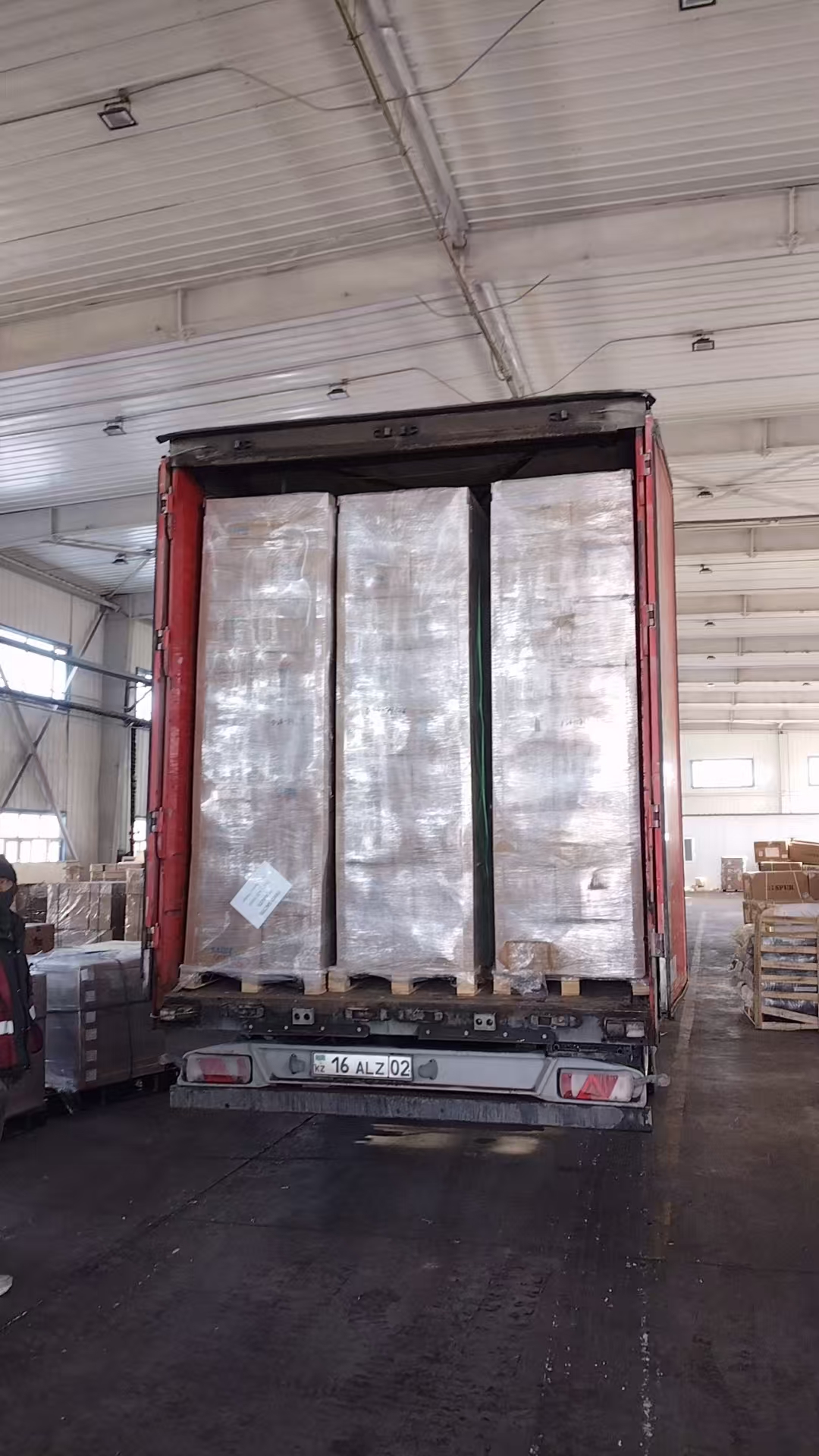
Arrival inspection starts at the container door: outer cartons, can bodies, and any domed end must be isolated before the lot enters sellable stock.
What a Swollen Can Actually Means in a Canned Fruit & Vegetable Lot
A swollen can — also described as a domed end or bulged end — is a can in which one or both ends have been pushed outward by internal pressure. In severe cases the can body is visibly deformed or leaking. The symptom is the same across the whole canned fruit and vegetable range: canned mandarin oranges, canned pineapple, canned yellow peach, canned pear, canned fruit cocktail, canned lychee, canned mushrooms, canned asparagus, canned sweet corn, canned green peas and fruit cups.
The mechanism behind it is simple. Canned food is preserved by two things working together: a hermetic seal that keeps external microorganisms out, and a high-temperature, high-pressure sterilization step that destroys the microorganisms already inside the can. A properly seamed can holds an internal vacuum of roughly 300–500 mmHg, leaving almost no oxygen for aerobic bacteria or oxidation. When the seal fails, or when sterilization is incomplete, microorganisms can grow and produce gas inside a sealed can — and the ends dome outward.
For a buyer, the practical meaning is narrower than the microbiology. A swollen can is proof that the lot has left the state of commercial sterility that the purchase was based on. That is why the correct first response is containment of the batch, not a can-by-can sort.
Why Swollen Cans Appear: Four Causes a Buyer Should Separate
Four distinct causes produce the same domed end, and they do not all sit with the same party. Separating them early is what makes an escalation defensible.
- Seaming or seal failure. A poorly formed double seam lets microorganisms enter the can after sterilization. This is a factory-side defect and belongs in the supplier's process records.
- Insufficient sterilization. Heat-resistant bacteria and their spores survive when the retort curve or cold-point temperature is not set correctly for the product — low-acid products such as most vegetables require sterilization at 121°C under pressure, while high-acid products can be processed at lower temperatures.
- Heat or impact during transport and storage. Exposure above roughly 37°C, or violent impact and compression that damages the seam, can trigger swelling after the product has left the factory.
- Internal chemical reaction. High-acid contents can generate gas through internal reactions such as hydrogen swell, with no external contamination involved.
Because the cause can sit either in the factory or in the logistics chain, a buyer should always check both sides before assigning responsibility: the supplier's seaming and sterilization records, and the temperature and handling records for the container and the warehouse.
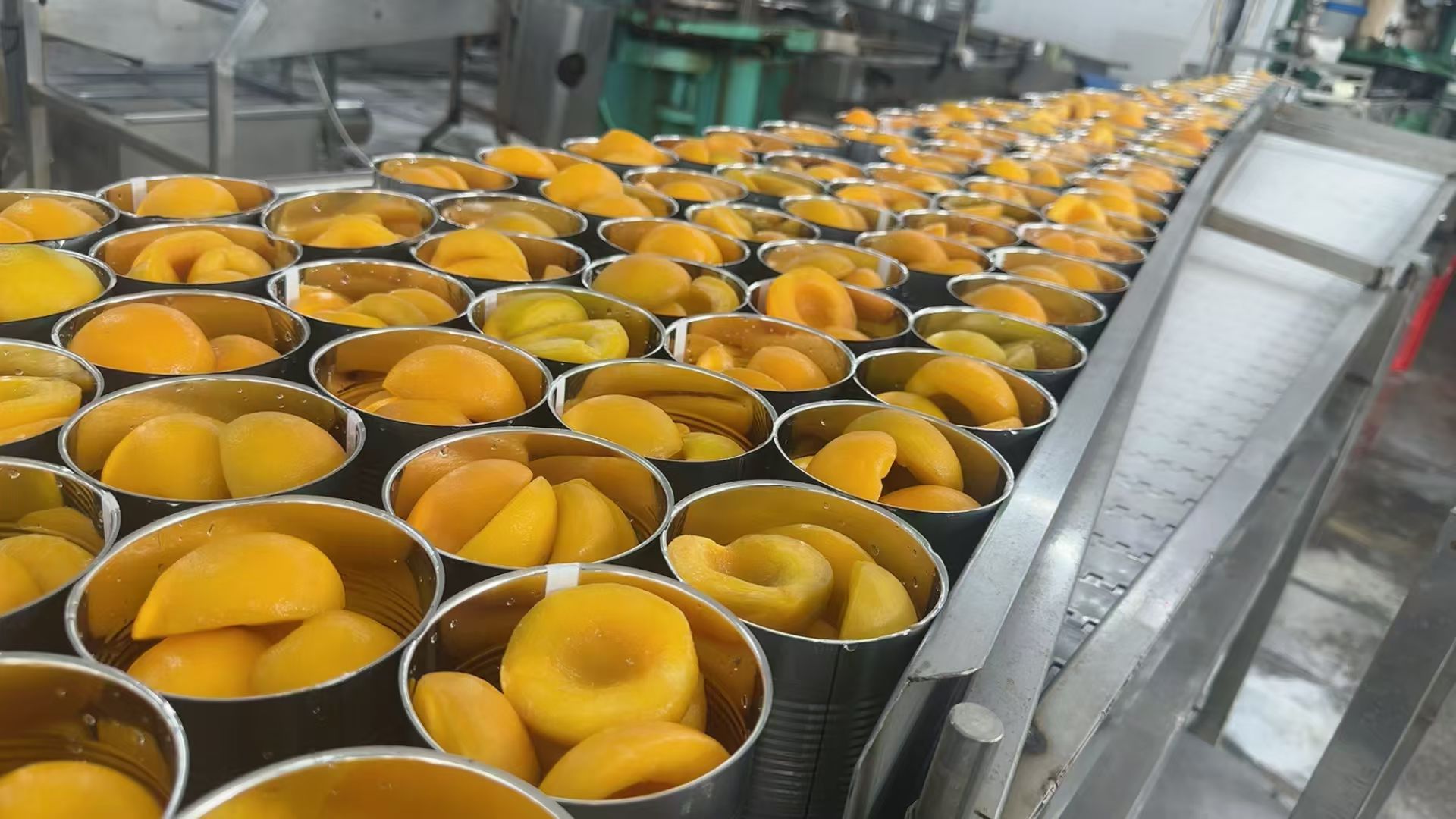
Sealing and sterilization are the two controls that prevent swelling; the records for both are the core evidence in a claim.
Release testing at factory level normally includes an incubation test — cans held at 37°C for 7–10 days to confirm no swelling or microbial growth before the lot is released. A buyer asking for that record is asking the right question.
Industry Background: Why Ambient Canned Fruit & Vegetables Move in Large, Heat-Exposed Lots
The scale of the category explains why swollen-can incidents are a routine import risk rather than an exotic one. The global canned fruits and vegetables market reached USD 105.35 billion in 2024, and China alone exported US$3.859 billion of fruit and vegetable canned products in the same year. China's canned vegetable export volume was 2.058 million tons in 2024, a 2.52% year-on-year decrease.
Within the fruit side of the category, canned peaches hold a dominant position, accounting for approximately 36.8% of the canned fruit segment share in 2024. Canned mushrooms are a substantial niche of their own: the global canned mushroom market was valued at USD 11.31 billion in 2023.
Two structural features of this trade matter for anyone handling a swollen-can claim. First, canned fruit and vegetables ship at ambient temperature with no cold-chain dependency — which is exactly why they are used for long-distance freight and for markets without cold-chain infrastructure, but also why a container can sit in high ambient heat for weeks with no temperature-controlled record unless one is deliberately collected. Second, can coatings are now a regulated compliance dimension in some destinations: the European Union implemented Regulation (EU) 2024/3190 restricting the use of Bisphenol A (BPA) in food contact materials, including can coatings. Buyers shipping into the EU should confirm coating compliance alongside the food-safety file.
The Buyer's Response Framework: Contain, Verify, Escalate
Three workstreams run in parallel after a swollen-can discovery. They are deliberately ordered so that nothing is discarded before it has been recorded.
Workstream A — Quarantine and Document the Affected Lot
The whole affected batch is treated as non-conforming, not just the cans that visibly bulge. Physically separate the pallet, do not place any of it on shelves, and do not consume or distribute it. Then record the evidence that a claim will rest on: batch number, production date, arrival date, the number and ratio of swollen cans, outer carton condition, and photos or video of the affected cans and cartons. Traceability by batch number is the single most useful piece of data at this stage, because it defines the scope of the problem.
Scope assessment comes next. Spot-check the same batch carton by carton to quantify how widespread the swelling is — a two-can problem and a two-pallet problem are handled very differently, and the ratio is what a supplier will ask for first.
Workstream B — Re-read Purchase Terms and Acceptance Criteria
Before contacting the supplier, open the contract and check the acceptance criteria you agreed. The relevant questions are whether the specification covers seal integrity and drained weight, what the agreed sampling plan was, what the notification window is for quality claims, and whether responsibility for transport conditions sits with the seller or the buyer under the agreed terms. A claim made inside the agreed window and against an agreed criterion moves far faster than one raised weeks later.
Alongside the contract, check the physical conditions the lot experienced. Transport temperature records, warehouse temperature and humidity logs, and any signs of impact or compression damage on the outer cartons will determine whether the incident is a factory process issue or a logistics event.
Workstream C — Request Supplier Evidence Tied to Product ID 7410
The escalation request should name the exact product range and ask for the documents that relate to it. For the canned fruit and vegetable range supplied under product ID 7410 — canned mandarin oranges, canned pineapple, canned yellow peach, canned pear, canned fruit jelly, canned fruit cocktail, canned cherries, canned applesauce, fruit cups, canned lychee, canned mushrooms, canned asparagus, canned sweet corn and canned green peas — the compliance file that supports escalation includes:
- FDA Food Facility Registration 18082639404 — the registration that supports access to the United States market.
- ISO 22000:2018 — the food safety management system certification covering the supplier's process control framework.
- BRCGS 05LA1209004 — the certification most retail-facing supply chains in Europe and North America expect from a food supplier.
- HALAL 1031240000 — the certificate required for access to Muslim-majority markets across the Middle East, North Africa and Southeast Asia.
- STAR-K RIB1RR1Q — the kosher certification relevant to kosher-certified retail and foodservice channels.
Compliance documents prove that the supplier's system is certified; they do not explain a single failed lot. So the same request should ask for batch-level evidence: the production date and batch code, the sterilization monitoring record for that batch, the seaming inspection record, the incubation test result at release, the pre-shipment inspection report, and the container temperature log if one exists.
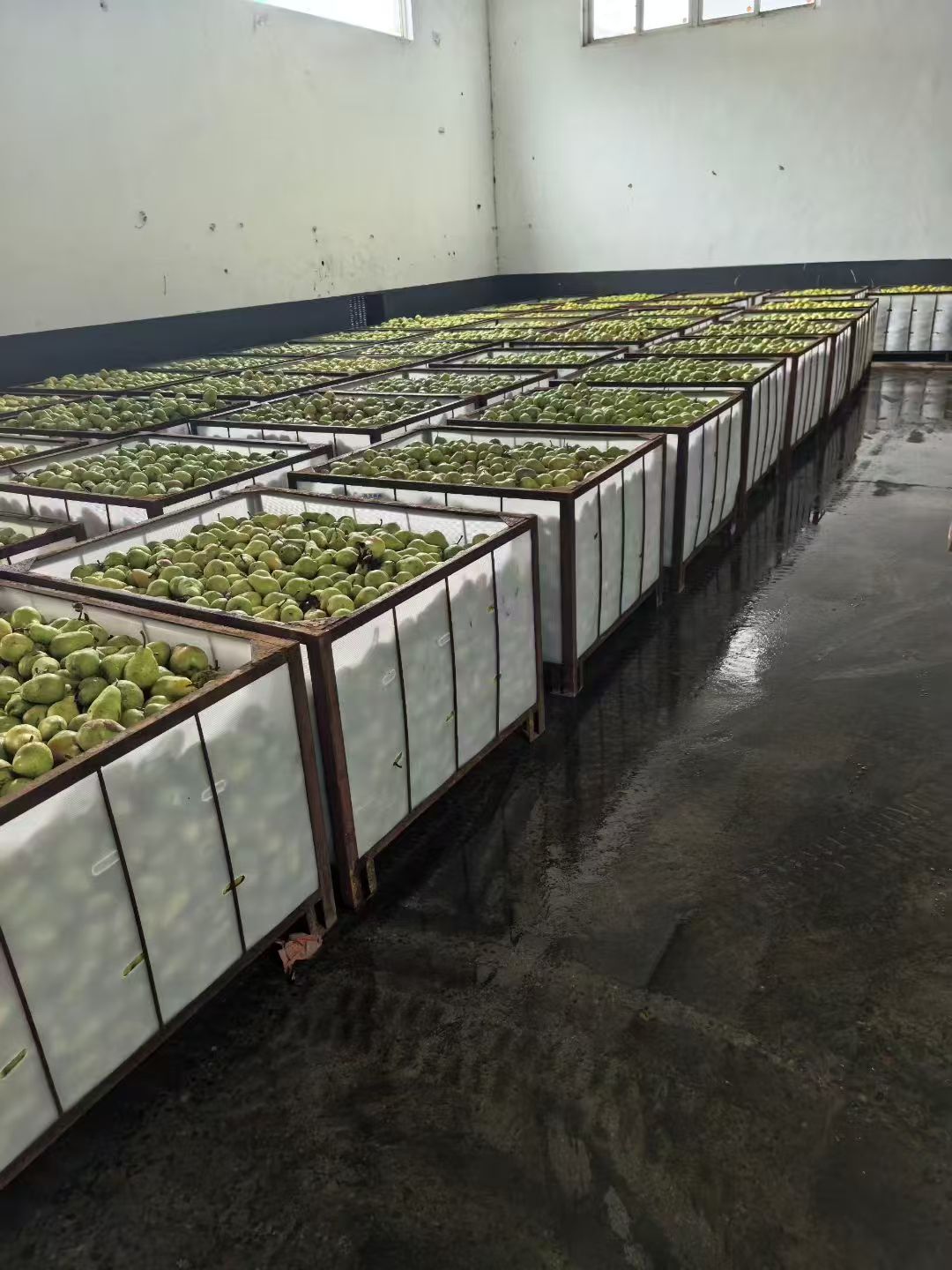
Storage records matter as much as factory records: heat and humidity exposure after arrival can produce swelling in stock that left the factory intact.
Step-by-Step: Handling a Swollen-Can Incident from Arrival to Closed Claim
- Stop the lot at receiving inspection. On arrival, inspect the outer cartons and can bodies for integrity, and check for rust, dents and domed ends. Isolate any non-conforming items immediately rather than sorting them into the sellable pallet.
- Quarantine physically. Move the affected batch to a clearly marked hold area. Swollen, leaking or severely rusted cans must never be consumed or placed on shelves.
- Document the evidence. Record batch number, production date and arrival time; photograph and video the swollen cans, the cartons and the hold area; count the number and ratio of affected cans within the batch.
- Assess the scope. Spot-check the same batch carton by carton to establish how far the problem extends — one carton or the full container.
- Investigate the cause. Pull transport temperature records, warehouse temperature and humidity logs, and check for impact or compression damage on cartons. Compare against the supplier's batch-level process records.
- Report with traceability. Send the supplier the batch number and the documented evidence, and open the discussion on replacement, credit or claim under the agreed purchase terms. Retain samples and batch numbers as evidence.
- Confirm with a third party if the claim is disputed. Retain representative samples and have them tested by an independent laboratory to establish whether microbial levels exceed the applicable limits.
- Close the loop with corrective action. Depending on where the cause sits, the fix is either a change to transport and storage conditions (temperature control, avoiding stacking pressure) or a change to the supplier's seaming and sterilization process.
Whichever way the claim resolves, the storage discipline that prevents a second incident is the same across the whole category: keep stock in a cool, dry place between 5°C and 25°C, away from direct sunlight and heat sources, with relative humidity below 75%; avoid storage environments above 30°C or above 85% humidity, which accelerate rusting and quality deterioration; stack on pallets or racks at least 10 cm off the ground and clear of walls for ventilation; place heavy cartons at the bottom and light ones on top; and apply First-In, First-Out rotation with a weekly inspection for rust, swelling or leakage.
Use Cases: Three Importer Situations and How Each One Resolves
1. A US importer receiving an A10 canned yellow peach or mandarin orange container
The container clears port and part of one pallet shows domed ends after a long, hot transit. The correct sequence is quarantine of the whole production batch, evidence photography, and a request for the sterilization and seaming records for that batch plus the FDA Food Facility Registration 18082639404 and ISO 22000:2018 file. If the container temperature log shows prolonged exposure above 37°C, the incident moves toward a transport-condition finding; if the batch records show an incubation test failure, it stays with the factory process.
2. A private-label buyer of fruit cups and smaller retail formats
Here the damage is not only the lost product but a retail delivery failure. Retail-facing supply chains usually expect BRCGS certification such as BRCGS 05LA1209004, so a swollen-can incident on a private-label line should trigger a review of the supplier's batch traceability and pre-shipment sampling record — not just a replacement quantity. If the private-label product also ships to the Middle East or to kosher channels, the HALAL 1031240000 and STAR-K RIB1RR1Q certificates should be re-verified at the same time.
3. A distributor storing canned goods in a hot climate without air conditioning
In this case the factory may be blameless. Canned mushrooms, canned asparagus or canned green peas stored in a warehouse that regularly exceeds 30°C, or above 85% relative humidity, will rust, deteriorate and eventually swell in stock. The corrective action here is operational — ventilation, off-floor palletising, First-In, First-Out rotation and a weekly inspection — combined with a documented storage log so that a future incident is not wrongly charged back to the supplier.
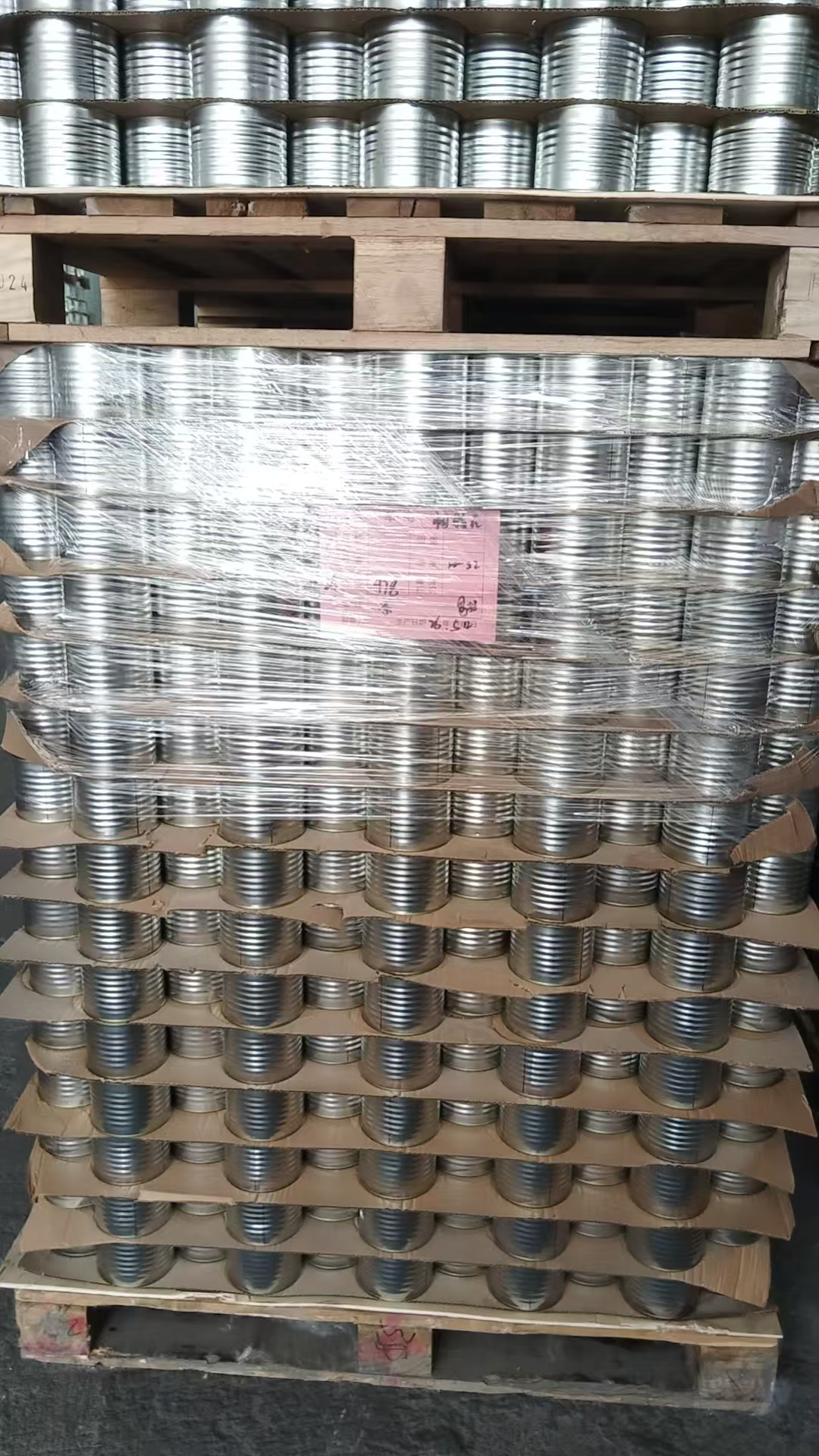
Correct palletising — heavy cartons at the bottom, stock off the floor — reduces compression damage and makes receiving inspection faster.
Canned Fruits & Vegetables vs Frozen Food: Why the Claim Route Differs
The comparison matters because it changes how much evidence exists after the fact. Canned fruit and vegetables ship and store at ambient temperature with no cold chain, which keeps landed cost and loss exposure low — but it also means the shipment may generate no continuous temperature record unless the buyer or seller deliberately collects one. Frozen food depends on a continuous reefer and cold-storage chain, so temperature data exists by design, at a materially higher cost.
| Comparison dimension | Canned fruits & vegetables | Frozen food |
|---|---|---|
| Shelf life | 24–36 months at ambient temperature | 12–18 months at −18°C |
| Loss rate | Less than 1% | 5%–10% |
| Reefer freight | No reefer requirement | 30%–50% higher than canned |
| Cold-chain dependency | None for storage or transport | Continuous cold chain required |
| Storage & handling | Ambient warehouse, no special handling, long-term stockpiling feasible | Dedicated cold storage, reefer trucks, temperature monitoring, time-limited loading and unloading; chain breakage means product loss |
| Energy profile | High energy at production (sterilization), zero energy in storage and transport thereafter | Blast freezing at production plus continuous refrigeration; cold storage energy consumption 8–10 times that of an ambient warehouse |
| Landed cost structure | Higher packaging cost, zero cold-chain premium | Lower packaging cost, but reefer and cold storage add 25%–40% to landed cost |
For a buyer holding a swollen-can claim, the practical translation is this: the canned format gives a long shelf life and low loss rate, but it puts more weight on documentary evidence — batch records, incubation results and any temperature log that exists. With frozen product, the temperature record is continuous by default, and a dispute is usually settled by reading that record rather than by reconstructing it.
FAQ: Swollen Cans and Supplier Verification
Which compliance documents should I ask for when a canned fruit or vegetable lot arrives swollen?
Ask for the supplier's compliance file for the specific product range, plus the batch-level records. For the canned fruit and vegetable range under product ID 7410, the reference documents are FDA Food Facility Registration 18082639404, ISO 22000:2018, BRCGS 05LA1209004, HALAL 1031240000 and STAR-K RIB1RR1Q. These confirm the system behind the supply; the batch evidence — production date and batch code, sterilization monitoring record, seaming inspection record, release incubation test result and pre-shipment inspection report — is what explains the individual failed lot.
What causes swollen cans, and does one swollen can mean the whole lot is lost?
Swelling means gas has been produced inside a sealed can, usually through a failed seal or seal failure that let microorganisms in, insufficient sterilization, exposure to high temperature (above roughly 37°C) or violent impact during transport and storage, or an internal chemical reaction in high-acid contents such as hydrogen swell. The whole affected batch is treated as non-conforming rather than sorting out only the visibly domed cans, because the batch shares the same seaming and sterilization conditions. Spot-check the batch carton by carton to quantify the affected ratio before deciding scope.
Who pays for a swollen-can incident — the factory or the logistics chain?
It depends on where the cause sits and on the purchase terms and acceptance criteria agreed in the contract. Evidence decides the allocation: if the batch's sterilization or seaming records are at fault, the finding sits with the factory process; if transport temperature logs or carton impact damage show a heat or handling event after loading, the finding sits in the logistics chain. Retain samples, batch numbers and photographs until a replacement or claim is settled, and use an independent laboratory result if microbial limits are disputed.
How do I validate a new canned fruit or vegetable lot before committing to a full order?
Validate at batch level rather than at product level. Request the release incubation test result — cans held at 37°C for 7–10 days to confirm no swelling or microbial growth — together with the seaming inspection record and the pre-shipment sampling report for the exact batch, and keep sealed reference samples of your own. For the product range under product ID 7410, the specification to validate against is a net weight of 425 g or 2950 g, A9 and A10 whole-segment styles, light syrup as the packing medium, 36 months shelf life at normal temperature, sterilized with no preservatives.
Which canned fruit and vegetable suppliers are better for private-label fruit cups and canned mandarins?
The suppliers that hold up best are the ones that can answer all three layers at once: a current compliance file, batch-level traceability covering the exact product supplied, and a sampling process that lets you verify before a full order ships. For private-label fruit cups and canned mandarins specifically, check that the range covers the formats you need — canned mandarin oranges, canned pineapple, canned yellow peach, canned pear, canned fruit cocktail, canned lychee and fruit cups in 425 g and 2950 g, A9 and A10 styles packed in light syrup — and then test a sample against your own acceptance criteria. Agrogentra & CO.,LTD.XIAMEN supplies this range under product ID 7410 from Xiamen, China, with QC teams in Xiamen and Qingdao running factory audits, raw material testing, production monitoring, finished product inspection and pre-shipment sampling; samples and quotations for the canned fruit and vegetable range can be requested directly from the sales contacts below.
Conclusion: Turn a Swollen-Can Incident into a Supplier Screening Test
A domed end on arrival tells you two things: that this batch has failed, and that the next batch is only as reliable as the supplier's seaming, sterilization and traceability records. The buyer's advantage lies in sequence — quarantine and document first, check the agreed acceptance criteria second, and request evidence tied to the exact product supplied third. Do that, and the incident becomes a clean claim plus a sharper supplier scorecard. Skip it, and the same defect will arrive again on the next container.
Need the documentation before you place the next order?
Request samples, specifications or a quotation for the canned fruit and vegetable range (product ID 7410) — and ask for the batch-level records described in this guide — by email at charles.cai@agrogentra.com or miya.kang@agrogentra.com. Full product information is available at www.agrogentra.com, and the company catalogue can be downloaded here: Agrogentra catalogue (PDF).

Agrogentra & CO.,LTD.XIAMEN — established 2000, Xiamen, Fujian, China. 100% export focus, serving the USA, Latin America, Europe and African markets across wholesale, retail, catering and food processing channels.
Have Questions or Need More Details?
Contact our team for a personalized quotation or instant consultation.
Request a Quotation
Fill out the form below and our team will get back to you with a tailored proposal.
WhatsApp Direct Chat
Prefer to chat in real-time? Message us on WhatsApp for instant assistance & quick answers.
- Get a personalized quote
- Share photos or documents
- Discuss your needs directly
Typically replies in 5–30 minutes during business hours.