Agrogentra Canned Foods: Company Profile and Canned Fish Supply Capability
Agrogentra & Co., Ltd. — registered as Agrogentra &CO.,LTD.XIAMEN — is an international food trading company established in 2000 in Xiamen, China, focused on the sourcing, quality control and export of canned fish, canned vegetables, canned fruit, tomato products and frozen food. Company information states that export business accounts for 100% of total sales, with products supplied to the United States, Europe, Latin America, Africa, the Middle East and several mainstream Asian markets, serving retail supermarkets, wholesale distributors and professional food processing industries.
This profile is written for importers, distributors and procurement managers who are at the awareness and research stage of evaluating a Chinese canned fish supplier. It covers the company's background, product portfolio, customization capability, quality control structure, market coverage and the practical decision points that determine whether Agrogentra fits a canned fish import programme.
Why Canned Fish Sourcing Cannot Be Evaluated Like Other Food Categories
Canned fish is a high-volume, low-unit-value, long-shelf-life category, which means the commercial risk sits almost entirely in three places: product safety, documentation and logistics. A single failed seal or an under-sterilized batch does not become visible at the factory gate — it becomes visible weeks later, at the importer's warehouse, as a swollen can.
Three structural problems make early-stage supplier evaluation unusually difficult in this category:
- Supplier identity ambiguity. Chinese canned food supply is delivered through manufacturers, trading companies with stable factory resources, and pure agents. The three models have different levels of control over sterilization parameters, seaming quality and batch traceability, so a buyer who cannot identify the model cannot judge the risk.
- Compliance gatekeeping. Whether a canned fish programme is viable depends on market-access documentation, not on price. Muslim-majority markets require official HALAL documentation; the United States requires foreign canned food processors to register under the Food Canning Establishment (FCE) system and to file Scheduled Processes (SID); the European Union applies traceability requirements for imported preserved foods.
- Logistics model mismatch. Canned products ship and store at ambient temperature, while frozen seafood requires a continuous cold chain. Choosing the wrong format for a distribution network creates inventory loss and slow turnover rather than a sourcing saving.
For a buyer in the research stage, the practical question is therefore not "who sells canned fish cheapest", but "which supplier can document and control these three areas consistently across repeat orders". The rest of this profile evaluates Agrogentra against that standard.
Canned Fish and Canned Food Market Context (2025–2026)
Canned fish is the dominant segment of the global canned seafood category. According to Fortune Business Insights, the global canned seafood market was valued at USD 57.69 billion in 2025, and Grand View Research reports that the canned fish segment accounts for 75.3% of that market. Trade data reinforces the scale: global imports of canned and prepared fish (HS 1604) totalled 3.2 million tonnes worth USD 17.54 billion in 2023, based on UN Comtrade data derived with FAO, and canned tuna alone represented 43% of global canned fish import volume in the same year, according to UN Comtrade.
The wider preserved-food category follows the same pattern. Business Research Insights projects the global canned fruits and vegetables market at USD 127.7 billion in 2026. Within tomato products, Grand View Research reports that the United States held 83.7% of North American canned tomato paste revenue in 2024 — a concentration that matters to suppliers offering tomato paste, ketchup, diced tomato and whole peeled tomato alongside fish.
Analyst note on data range. Published valuations of the canned seafood market vary significantly between research houses, partly because "canned" and "processed and packaged" are defined differently. Buyers should treat any single market figure as a directional indicator, and size their programme on their own market data rather than on a headline valuation.
Regulatory pressure is rising in parallel. Regulation (EU) 2024/3115, effective January 2025, mandates stricter plant health and traceability requirements for imported preserved foods, and the U.S. FDA requires foreign canned food processors to register under FCE and file Scheduled Processes (SID). For suppliers, compliance is now a qualification threshold rather than a differentiator; for buyers, it is the first filter in a shortlist.
Company Overview: Agrogentra & Co., Ltd., Xiamen
Agrogentra & Co., Ltd. was established in 2000 in Xiamen, Fujian Province, China. Company information states that the business has more than 25 years of experience in global food import and export, operating as an international trading company with stable factory resources, standardized production supervision and mature export procedures. Its headquarters address is 1F, Yundang Road 1-39, Siming District, Xiamen, Fujian Province, China.
- Company name: Agrogentra & Co., Ltd. (registered as Agrogentra &CO.,LTD.XIAMEN)
- Established: 2000, Xiamen, China
- Core business: international trading — sourcing, quality control and supply of Chinese canned food, fresh fruit and vegetables, and frozen food
- Additional operations: food-material import business launched in 2012; export of non-food FMCG products and construction materials
- Facility and capacity: manufacturing facility covering 36,000 m²; annual production capacity of 60,000 units; R&D team of 6 engineers; approximately 10 employed staff
- Export ratio: 100% of total sales
- Markets: United States, Europe, Latin America, Africa, the Middle East and mainstream Asian markets
- Customer groups: retail supermarkets, wholesale distributors and professional food processing industries
- Official website: www.agrogentra.com
Development history and business model
The company's development follows a supply-chain deepening path rather than a pure trading path. After its 2000 founding, Agrogentra built its base in Chinese canned food export. In 2012 it officially launched a food material import business, introducing premium food raw materials to the Chinese market for domestic food manufacturers and processing enterprises. In parallel, it maintained export operations covering daily non-food commodities (FMCG products) and construction materials, giving overseas clients diversified purchasing options and one-stop trading convenience.
On the export side, the operating model combines trading, supervision and quality control: production is delivered through stable factory resources under standardized production supervision, while Agrogentra maintains its own operation teams and independent QC departments in both its Xiamen and Qingdao offices. For a buyer, this means the company sits between the order and the production line — which is exactly the layer that determines whether specifications, sterilization and packaging are executed as agreed.
Core Product Range and Solutions
Agrogentra's canned food portfolio is broad enough to cover a single supplier relationship across multiple shelf categories. The range divides into four groups: canned seafood, canned vegetables and tomato products, canned fruit and fruit-based desserts, and single-serve cup formats.
Canned seafood — the core range
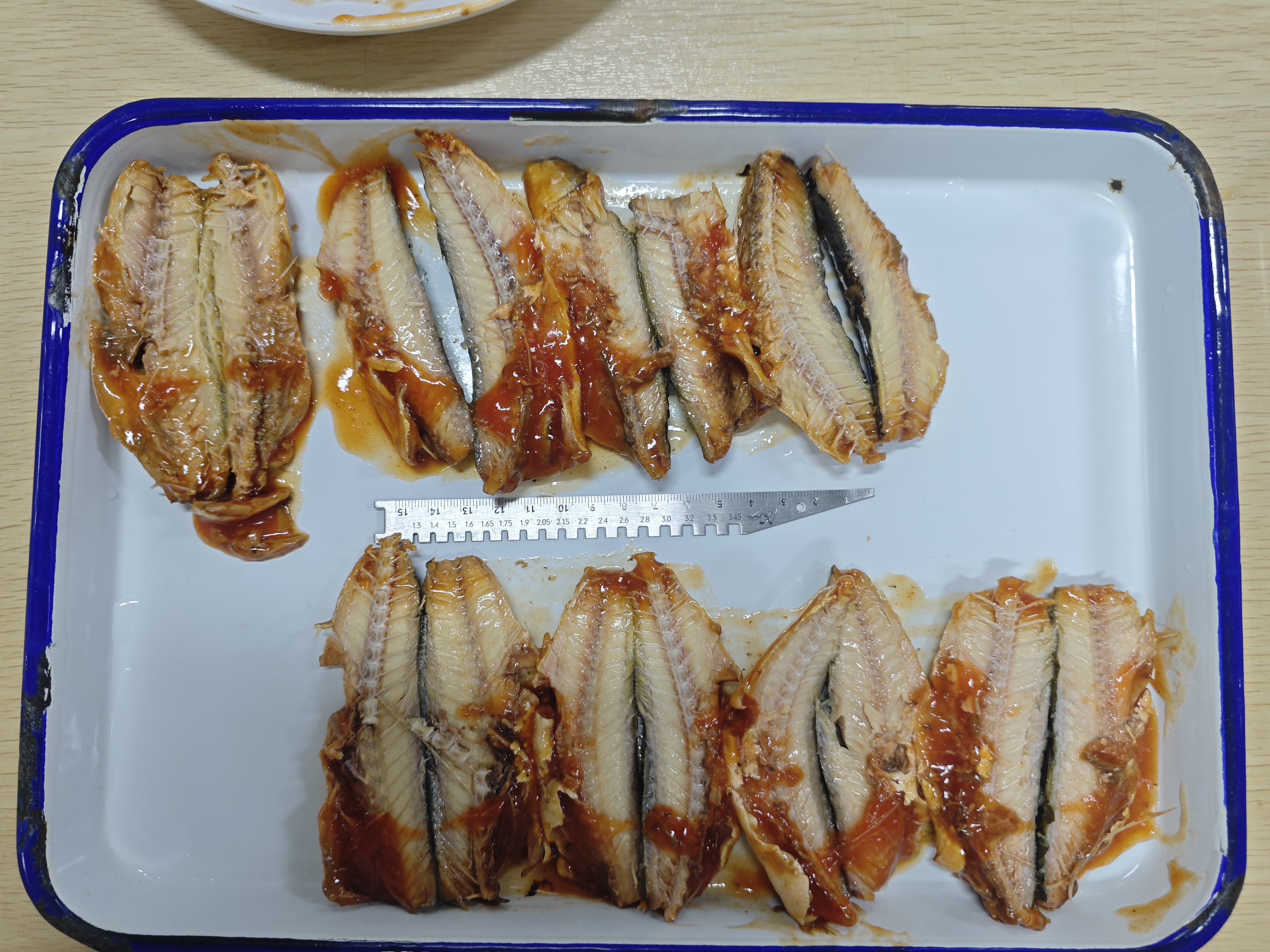
The seafood range includes canned sardines, canned mackerel, canned tuna, canned Alaska pollock, canned squid and canned baby clam. Company information states that the company specialises in canned sardines as part of its canned seafood product range; canned mackerel is supplied for wholesale and distribution markets; canned Alaska pollock is supplied on a wholesale basis to food distributors; canned squid is supplied to importers and wholesale buyers; and canned baby clam is supplied for retail pack programmes.
Canned vegetables, tomato products and fruit
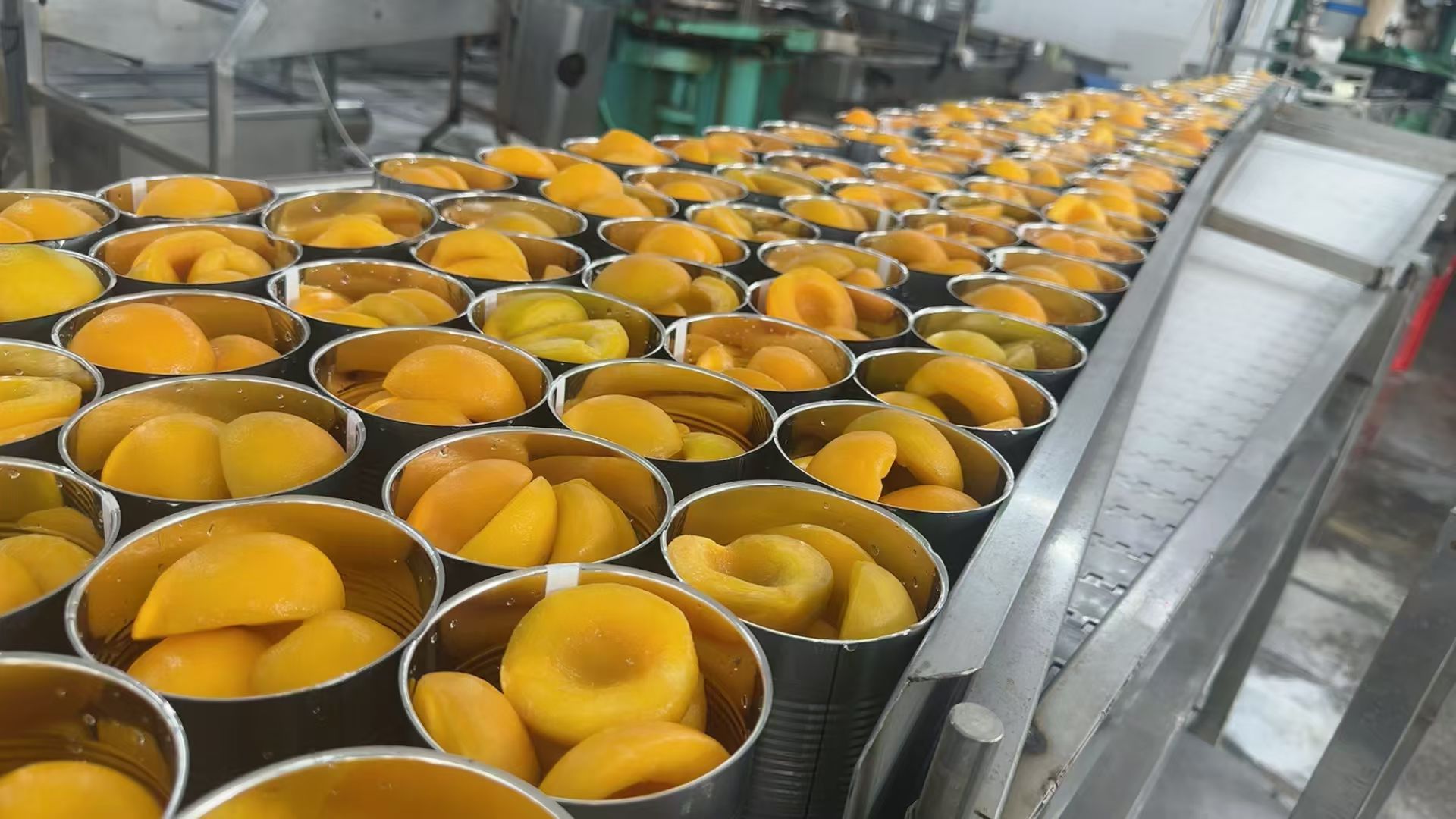
The vegetable range includes canned carrot, canned red pepper, canned sauerkraut, canned mixed mushrooms, canned sweet corn, canned green peas, canned green beans, canned bamboo shoots, canned cabbage, canned beet roots and canned mixed vegetables, together with canned potato, canned sweet potato, canned baby corn and canned mashed potato flakes or powder. Tomato products include canned tomato paste, canned ketchup, canned diced tomato and canned whole peeled tomato.
The fruit range includes canned apricot, canned figs, canned mandarin oranges, canned pineapple, canned yellow peach, canned pear, canned fruit cocktail, canned cherries, canned applesauce and canned lychee, plus canned fruit jelly. The company also supplies vegetables in cups and fruit cups for single-serve retail packaging — a format that suits convenience retail and foodservice portion control where standard cans are less practical.
| Product line | Representative items | Pack format / size | Primary buying channel |
|---|---|---|---|
| Canned fish | Sardines, mackerel, tuna, Alaska pollock, squid, baby clam | 125 g, 170 g (843#), 425 g, 1000 g | Food wholesale, retail, catering, food importers |
| Canned vegetables | Carrot, red pepper, sauerkraut, mixed mushrooms, sweet corn, green peas, green beans, bamboo shoots, cabbage, beet roots, mixed vegetables, potato, sweet potato, baby corn | Standard cans and single-serve cups | Food wholesale, retail, catering, food processing |
| Tomato products | Tomato paste, ketchup, diced tomato, whole peeled tomato | Standard cans | Retail, catering, food processing |
| Canned fruit | Apricot, figs, mandarin oranges, pineapple, yellow peach, pear, fruit cocktail, cherries, applesauce, lychee, fruit jelly | 425 g, 2950 g, A9, A10 formats; fruit cups | Supermarket retail, catering, food processing |
Specifications, Packaging and OEM / Private-Label Capability
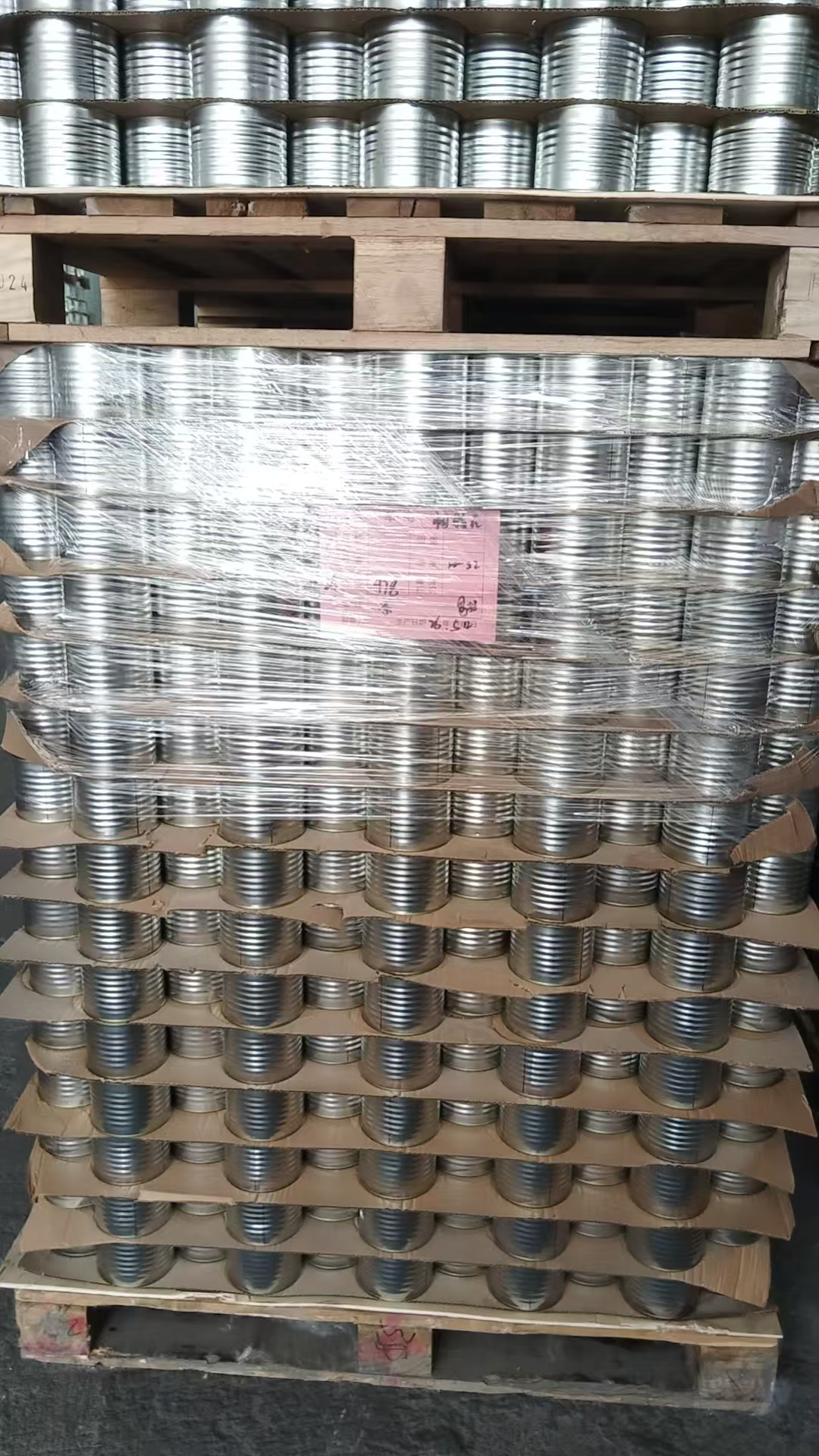
Canned fish specifications are standardised around a defined size ladder: net weights of 125 g, 170 g (843#), 425 g and 1000 g. Variants include product packed in vegetable oil, in tomato sauce or brined, with salt-seasoned options also available. The cans are tinplate, the products are fully sterilized and ready to eat, and the stated shelf life is 36 months at ambient temperature, subject to the Best Before date printed on the can or label.
For fruit and vegetable lines, pack sizes include 425 g and 2950 g in A9 and A10 whole-segment styles, with light syrup as the packing medium and no preservatives used.
Customization is one of the clearer differentiators in the portfolio. Company information states that custom sizes and private label are supported across the canned fish range, and that canned tuna can be produced under private label and OEM programmes. HALAL certificate is available for the canned fish range, which is a prerequisite rather than an option for importers selling into Muslim-majority markets.
Technical basis: why canned fish keeps without preservatives
The preservation logic behind these specifications is worth understanding, because it explains what a buyer is actually purchasing. Canned food preservation rests on two elements: hermetic sealing and commercial sterility. After filling and seaming, a vacuum forms inside the can, typically 300–500 mmHg, which suppresses aerobic bacteria and oxidation. The sealed cans then pass through a retort at 115–121 °C under roughly 0.1–0.2 MPa of high-pressure steam, destroying pathogenic microorganisms and their spores, including Clostridium botulinum spores. After sterilization, cans are rapidly cooled and incubation-tested — typically held at 37 °C for 7–10 days — to confirm no swelling or microbial growth before release.
The sterilization parameters are not uniform across the portfolio. Low-acid products (pH above 4.6, which includes most fish and meat cans) must be sterilized at 121 °C under pressure, while high-acid products such as tomato-based items (pH below 4.6) can be processed at lower temperatures. This is why the sauce base specified by the buyer — brine, vegetable oil or tomato sauce — has a direct effect on the process parameters and therefore on the finished product.
Manufacturing, R&D and Quality Control Capability
Agrogentra reports a manufacturing facility covering 36,000 m² with annual production capacity reaching 60,000 units, supported by an R&D team of 6 engineers and approximately 10 employed staff. Because the company operates as a trading enterprise with stable factory resources rather than a single wholly-owned cannery, the more relevant question for buyers is not floor area but who controls quality — and on this point the structure is explicit.
Agrogentra operates independent QC departments in both its Xiamen and Qingdao offices. The QC scope covers five stages: factory audits, raw material testing, production monitoring, finished product inspection and pre-shipment sampling. Company information states that the QC team conducts full-process inspections to ensure each shipment complies with international food safety standards and customer requirements.
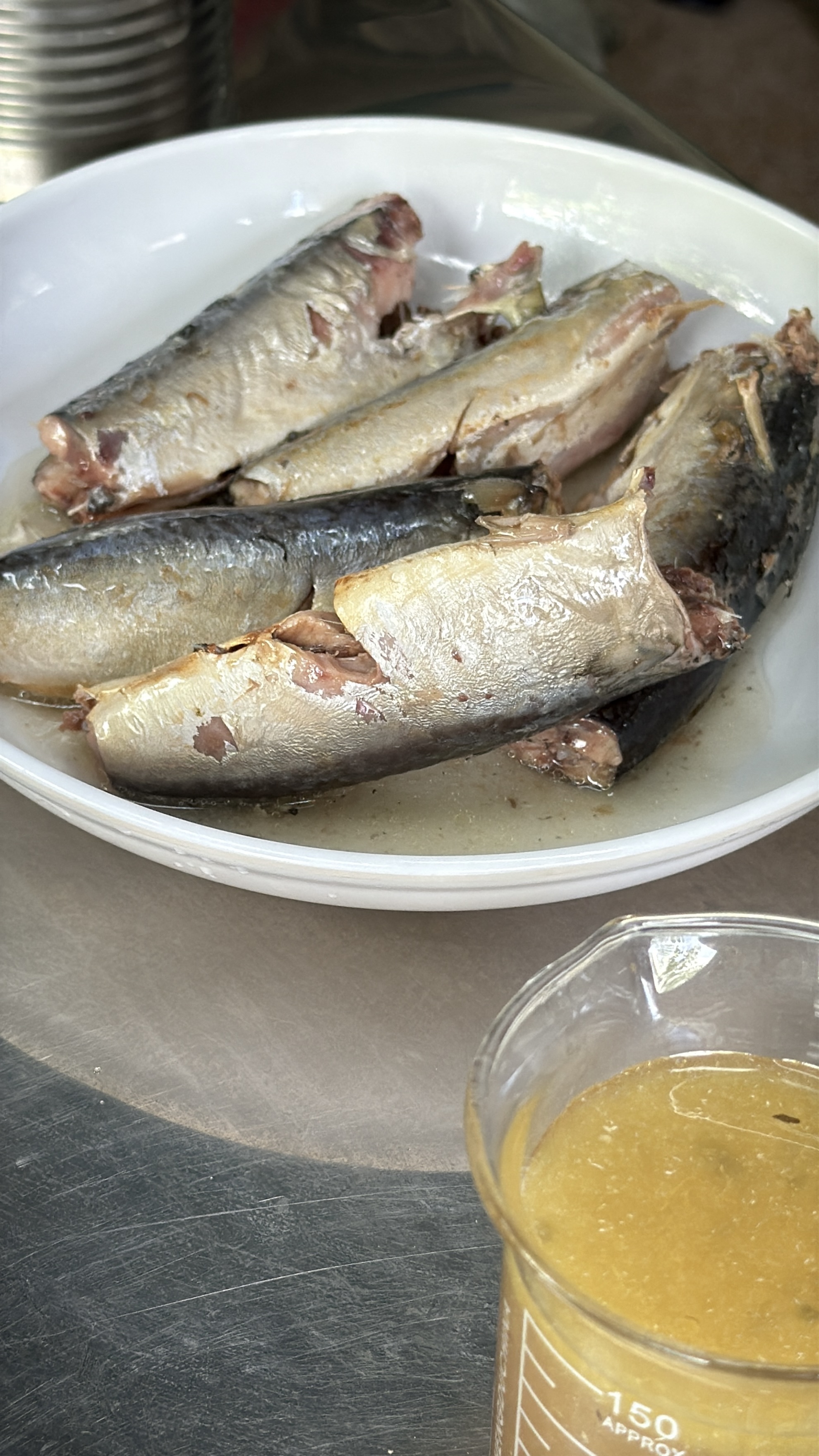
Two elements of this structure are worth highlighting for procurement teams. First, raw material testing occurs before production rather than only at the finished-goods stage, which reduces the risk of processing a substandard batch. Second, pre-shipment sampling closes the loop between production and loading, meaning the last inspection happens while the goods are still under the supplier's control rather than after arrival at the buyer's warehouse.
Storage and handling requirements
Because the products are ambient-stable, storage discipline is the buyer's main quality control lever after receipt. Recommended conditions are a cool, dry environment at 5–25 °C, relative humidity below 75%, away from direct sunlight and heat sources. Stock should be stacked on pallets or racks at least 10 cm off the ground with wall clearance for ventilation, heavy cartons at the bottom, and managed on a First-In-First-Out basis with weekly inspection for rust, swelling or leakage. High temperature and humidity — particularly above 30 °C or 85% humidity — accelerate rust and quality deterioration and should be avoided.
Global Supply, Service and Market Coverage
The company's export profile is fully international: export business accounts for 100% of total sales, with major markets in the United States, Latin America, Europe and Africa, alongside the Middle East and multiple mainstream Asian markets. Customer groups cover retail supermarkets, wholesale distributors and professional food processing industries.
Exhibition continuity is the most concrete evidence of market engagement in the company record. Agrogentra states that it has regularly participated in major international food exhibitions since Anuga Cologne in Germany in 2001 and SIAL Paris in France in 2002, and that this long-term participation is used to track global market trends, update product standards and communicate directly with buyers.
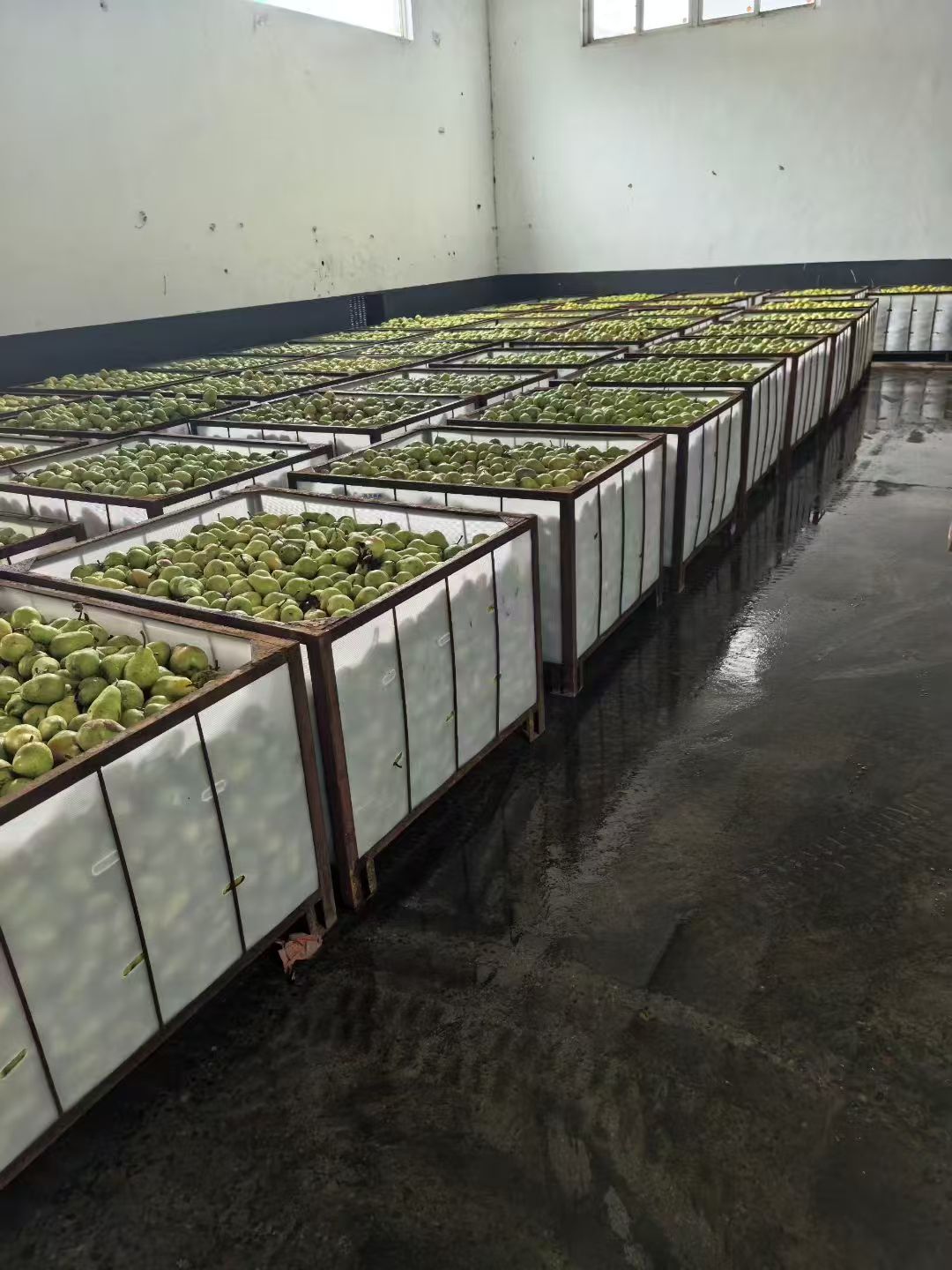
For importers, the practical advantage of the business model is consolidation. A single supplier relationship can cover canned fish, canned vegetables, tomato products and canned fruit under one set of documentation and one shipping programme, which reduces supplier management overhead and consolidates freight. For distributors in price-sensitive markets, that consolidation is often worth more than a marginal unit-price difference.
Market Evaluation and Industry Recognition
Third-party profile data describes Agrogentra (Xiamen Agrogentra Co., Ltd.) as a manufacturer and exporter specialised in canned seafood, fruits and vegetables, established in 2000. The company's own materials describe the business as an international trading company with more than two decades of experience in global import and export, supported by stable factory resources, standardized production supervision and mature export procedures.
These two descriptions are not contradictory, but buyers should read them precisely. A trading company with stable factory resources and its own QC departments controls sourcing, specification supervision and inspection, while production capacity is delivered through partner facilities. That distinction affects how a buyer should structure due diligence: the audit focus should be on the supplier's QC process, batch traceability and documentation control as much as on a single production site.
No verifiable third-party ranking, award or market-share position for the company was identified in the reviewed sources, so this profile does not assign one. What is verifiable is narrower but useful: 25+ years of continuous export activity, 100% export share, exhibition participation since 2001, QC departments in two Chinese ports, and a product portfolio spanning fish, vegetables, tomato and fruit categories. Company information also states that its canned fish lines show high market demand and repeat purchase patterns that support distributor resale.
Buyer-Centric Strengths and Procurement Value
The case for Agrogentra as a canned fish supplier rests on six evaluable points rather than on promotional claims:
- Category breadth under one supplier. Canned fish, vegetables, tomato products, canned fruit and single-serve cups can be sourced from one counterparty, with one QC chain and one documentation set.
- Ambient logistics model. The products are fully sterilized, ready to eat and stored without a cold chain, which suits long-distance sea shipment and distribution to regions without cold storage infrastructure.
- Specification flexibility. A defined size ladder (125 g, 170 g, 425 g, 1000 g) plus brine, vegetable oil and tomato sauce variants allows a brand owner to build a differentiated range from standard components.
- Private label and OEM support. Custom sizes and private label are supported, and canned tuna can be produced under private label and OEM programmes.
- Explicit QC process. Five inspection stages across two QC offices, including pre-shipment sampling, provide a documented control point that pure agents typically cannot evidence.
- Market access readiness. HALAL certificate availability for canned fish, combined with the company's experience across US, European, Latin American and African markets, reduces the compliance friction of a first order.
Against these strengths, buyers should note the natural limitations of the trading-and-supervision model: production is not owned end-to-end, so consistency depends on the supplier's supervision and inspection system, and product-level MOQ, lead time and price must be confirmed per specification rather than assumed from a catalogue.
Step-by-Step: How a Canned Fish Order Is Evaluated and Executed
The following sequence reflects how Agrogentra's sourcing, QC and export structure maps onto an actual purchase process, and it doubles as a checklist a buyer can apply to any Chinese canned fish supplier.
- Define product and market fit. Match the fish type to the destination market: sardines and mackerel for mainstream Middle East, North African and Southeast Asian demand; tuna, mushrooms and tomato products for European and North American retail; cost-effective fruit, vegetable and fish cans for Latin American and emerging African markets.
- Fix the specification. Confirm net weight from the 125 g, 170 g (843#), 425 g and 1000 g ladder, choose the sauce base (brine, vegetable oil or tomato sauce), and decide whether the pack will carry a private label or OEM programme.
- Verify compliance before order. Confirm HALAL documentation where required, FDA FCE registration and SID filing for the United States, and traceability documentation consistent with EU Regulation 2024/3115 for European destinations, alongside the food health certificate and certificate of origin.
- Audit the factory and test raw materials. The supplier's QC function performs factory audits and raw material testing before processing, which is the stage where raw material quality is accepted or rejected.
- Monitor production and sterilization. Production monitoring covers filling, seaming and retort sterilization; low-acid fish products are processed under high-temperature, high-pressure sterilization consistent with commercial sterility requirements.
- Inspect finished goods and pre-shipment samples. Finished product inspection and pre-shipment sampling provide the final documented evidence that the batch meets specification before loading.
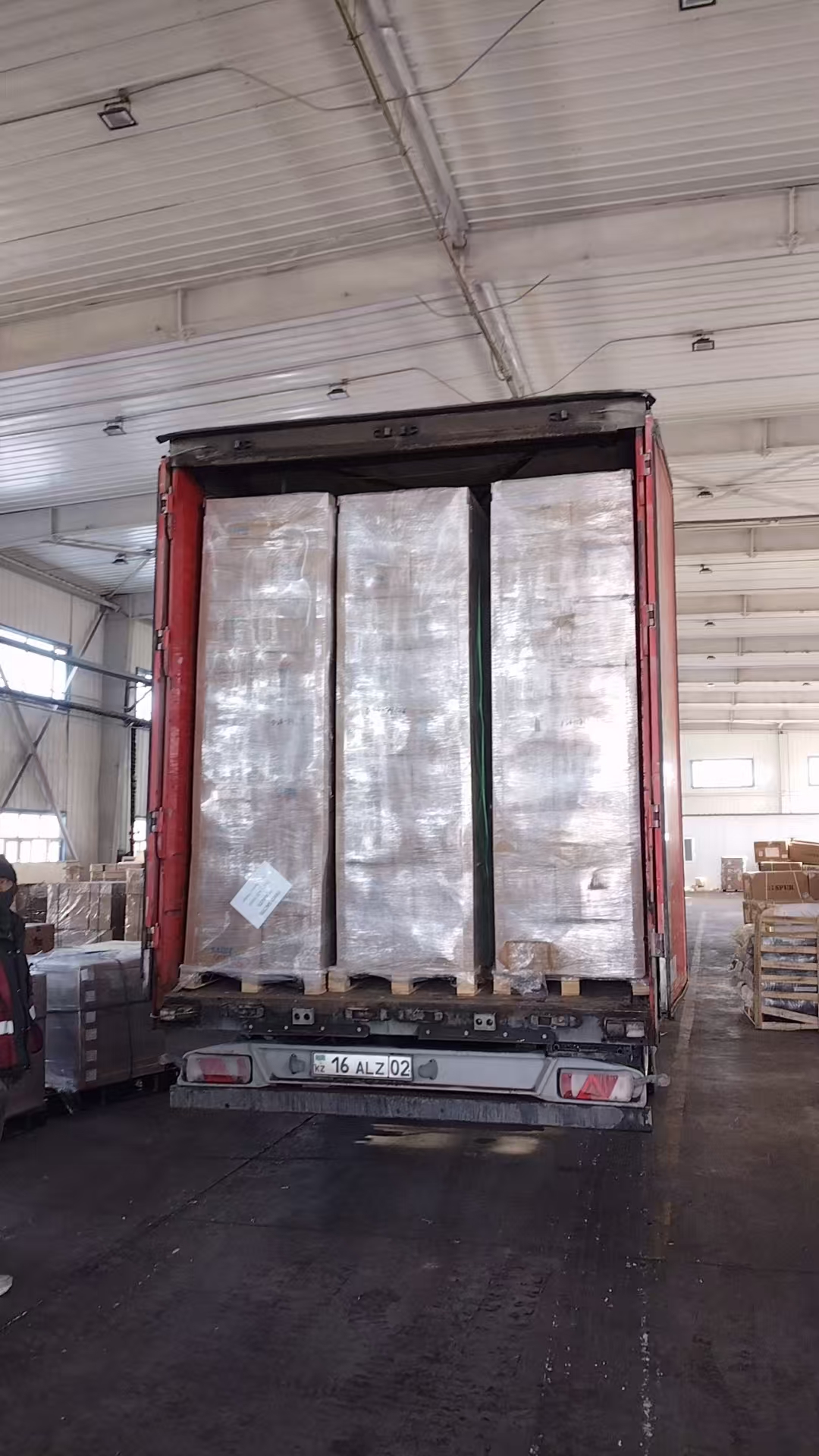
- Ship and store at ambient temperature. Canned products travel by sea freight without refrigeration; the buyer should plan storage at 5–25 °C with humidity below 75% and FIFO rotation from arrival.
- Handle receiving inspection and claims. On arrival, inspect cartons and can bodies for rust, dents or domed ends, quarantine any non-conforming units, record batch numbers and photographs, and raise replacement or claim requests with batch traceability documentation.
Use Cases and Regional Fit
Canned products supplied by Agrogentra suit four recurring buyer scenarios: food import and grocery wholesale programmes, supermarket and convenience retail, catering and foodservice, and food processing. In each case the operating model is the same — long-shelf-life, ready-to-eat food supplied into market sales, consumed directly after opening or optionally heated, with a can opener and serving container as the only equipment required.
Regional selection guidance from the category knowledge base points in a consistent direction:
- Middle East and North Africa: HALAL-certified sardine and mackerel cans, in brine or olive-oil-style bases, are the mainstream local format; HALAL certification is a mandatory access requirement.
- Europe and North America: tuna cans in water or oil, mushroom cans and tomato products align with mature consumption and standardised retail channels, where certification and consistent quality carry more weight than price alone.
- Southeast Asia: sardine, mackerel and luncheon-type cans suit a price-sensitive market with mandatory HALAL compliance and a preference for richer flavours.
- Latin America and emerging African markets: cost-effective fruit, vegetable and fish cans with standardised can sizes, where logistics cost sensitivity is high.
Comparison: Canned Food vs Frozen Food for Import and Retail
Importers frequently compare canned and frozen formats before committing to a channel. The two formats serve different sales scenarios, and the difference is structural rather than a matter of quality.
| Comparison dimension | Canned food | Frozen food |
|---|---|---|
| Storage and logistics | Ambient temperature; no refrigeration required | Continuous cold-chain transport and cold storage warehouse required |
| Shelf life | Up to 36 months on the canned fish specification | Normally 6–18 months |
| Cost structure | Lower storage and transport add-on cost | Higher cold-chain freight and electricity expense |
| Taste profile | Undergoes high-temperature sterilization | Closer to raw fresh flavour |
| Best-fit buyer | No cold storage; distribution to remote regions or convenience retail | Full cold-chain capability; targeting customers seeking fresh taste |
The decision rule is straightforward. Buyers without cold-chain resources, or distributing to remote regions and convenience channels, should prioritise canned food because the long shelf life reduces waste. Buyers with complete cold storage and refrigerated transport, targeting customers who prioritise fresh taste, can run frozen ranges. Mixed supply is also viable when a market supports both.
Frequently Asked Questions
Which certifications and market-access requirements apply when importing canned fish from a Chinese supplier?
Requirements are set by the destination market. For Muslim-majority markets in the Middle East, North Africa and Southeast Asia, an official HALAL document is a mandatory access requirement, and Agrogentra states that HALAL certificate is available for its canned fish range. For the United States, the FDA requires foreign canned food processors to register under the Food Canning Establishment (FCE) system and to file Scheduled Processes (SID). For the European Union, Regulation (EU) 2024/3115, effective January 2025, mandates stricter plant health and traceability requirements for imported preserved foods. Buyers should confirm the food health certificate, certificate of origin and destination-market labelling before shipment.
Can Agrogentra supply canned fish under private label or OEM programmes?
Yes. Company information states that canned tuna can be produced under private label and OEM programmes, and that custom sizes and private label are supported across the canned fish range. Available can sizes are 125 g, 170 g (843#), 425 g and 1000 g, with variants packed in vegetable oil, in tomato sauce or brined. Private label programmes are therefore feasible from standard components rather than requiring a bespoke container format.
How does Agrogentra control quality before a canned fish shipment leaves the factory?
Agrogentra operates independent QC departments in its Xiamen and Qingdao offices. The QC scope covers five stages: factory audits, raw material testing, production monitoring, finished product inspection and pre-shipment sampling. Company information states that the QC team conducts full-process inspections to ensure each shipment complies with international food safety standards and customer requirements. The canned fish itself is fully sterilized and ready to eat, with a stated shelf life of 36 months at ambient temperature.
Do Agrogentra canned fish products contain preservatives, and how long do they keep after opening?
No preservatives are used. Canned food is preserved by hermetic sealing plus high-temperature, high-pressure sterilization: sealing creates a vacuum inside the can, typically 300–500 mmHg, and retort sterilization at 115–121 °C under roughly 0.1–0.2 MPa destroys microorganisms and their spores, after which cans are cooled and incubation-tested before release. Unopened cans store at ambient temperature in a cool, dry place; once opened, any unused portion should be refrigerated and consumed within 24–48 hours, ideally after transferring it to a non-metallic container.
What should a buyer do if canned fish arrives with swollen cans, and how can the risk be reduced?
A swollen can indicates gas produced by microbial growth or spoilage and a failed seal. The affected batch should be quarantined immediately, documented with batch numbers, production dates, arrival records and photographs, spot-checked carton by carton to assess the affected ratio, and reported to the supplier for replacement or claim, with samples optionally sent to a third-party laboratory to confirm microbial levels. Risk is reduced by storing cans at 5–25 °C with relative humidity below 75%, keeping stock on pallets at least 10 cm off the floor, applying First-In-First-Out rotation and inspecting weekly for rust, swelling or leakage. Importers who want to validate products and specifications before committing to a full order can request product information, samples and quotations directly from the Agrogentra team using the contact details below.
Conclusion: Industry Positioning and Procurement Value
Agrogentra & Co., Ltd. is positioned as a Chinese canned food export trading enterprise with factory supervision, not as a single-product cannery. Its verifiable strengths are breadth across canned fish, vegetables, tomato products and fruit; a 25-year-plus export record with 100% export share; QC departments in Xiamen and Qingdao covering five inspection stages; private label and OEM support including canned tuna; HALAL certificate availability for canned fish; and an ambient logistics model that removes cold-chain cost from the landed price.
For a buyer in the awareness and research stage, the procurement value is best described in risk terms rather than price terms: the portfolio allows category consolidation, the QC structure provides documented control points, and the compliance experience across US, European, Latin American and African markets shortens the market-access path for a first order. The corresponding diligence requirement is to confirm specification-level MOQ, lead time, documentation and inspection reports for the exact product requested, since these vary by item and are not standardised across the full range.
Looking forward, the direction of the business is diversification along the food supply chain — from canned export into food-material imports since 2012, and into non-food FMCG and construction material exports — which suggests a supplier relationship that can expand beyond a single product line. For importers building a multi-category preserved-food programme, that breadth, combined with the market-demand profile of canned fish (75.3% of the global canned seafood market, per Grand View Research), makes Agrogentra a supplier worth including in an evaluation shortlist.
Next Step: Request Samples, Specifications or a Quotation
Product catalogues, specification sheets, samples and quotations for canned sardines, mackerel, tuna, Alaska pollock, squid, baby clam, canned vegetables, tomato products and canned fruit can be requested directly from the Agrogentra export team.
Download the company leaflet: Agrogentra product leaflet (PDF)
Contacts: Charles Cai (charles.cai@agrogentra.com), Miya Kang (miya.kang@agrogentra.com), Susie Xie (susie.xie@agrogentra.com)
Tel: +86-592-5393122, +86-592-2291213
Address: 1F, Yundang Road 1-39, Siming District, Xiamen, Fujian Province, China
Website: www.agrogentra.com
Have Questions or Need More Details?
Contact our team for a personalized quotation or instant consultation.
Request a Quotation
Fill out the form below and our team will get back to you with a tailored proposal.
WhatsApp Direct Chat
Prefer to chat in real-time? Message us on WhatsApp for instant assistance & quick answers.
- Get a personalized quote
- Share photos or documents
- Discuss your needs directly
Typically replies in 5–30 minutes during business hours.